

























































Why does coffee pod packaging change by use case?
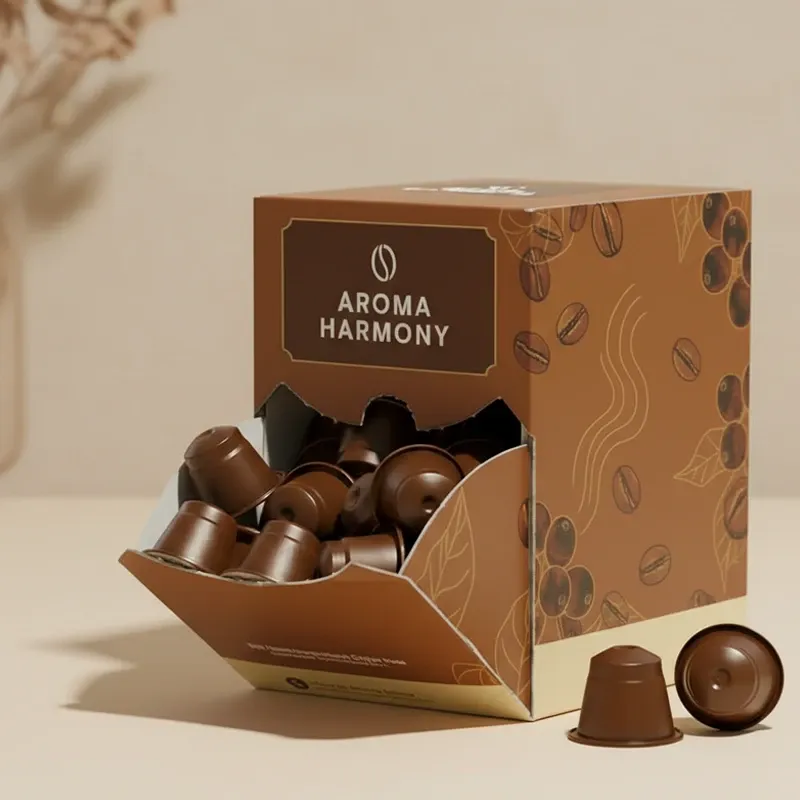
Coffee pod packaging changes by use case because the box has to support the way pods are sold, stored, selected, and packed. A coffee pod box is the outer package that groups pods for retail sale, restaurant service, hospitality, or handoff to a co-packer. The brief should start with pod dimensions, arrangement, opening, storage position, and artwork.
Retail coffee pod boxes need a clear variant system and shelf-facing panels. Restaurant coffee pod packaging needs quick access near a beverage station or storage area. Hospitality packaging needs a guest-facing opening sequence. A coffee pod co-packer needs a box that matches the fill and close process. For the wider category, start with the coffee packaging guide.
Which coffee pod box works for a retail range?
A retail pod box works when the arrangement, variant order, and front panel can be understood before the box is opened. Put the pod range into a defined packout, then review the exterior artwork against the way the box will face the customer.
| Use case | Construction question | Preproof check |
|---|---|---|
| Retail coffee pod range | How should the pod positions and variants be organized? | Front panel hierarchy, variant order, and retrieval |
| Restaurant service | How will staff open and close the box at the station? | Access, storage position, and closure action |
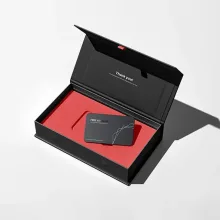
| Hospitality welcome set | How should a guest-facing set open? | Footprint, opening sequence, and message panel |
| Co-packer handoff | How will the packer load and close the box? | Pack order, box orientation, glue tabs, and proof |
These are different packaging jobs even when they use the same pod shape. A box designed for a shelf may slow service if pods are difficult to retrieve. A service box may need a different opening from a guest welcome set.
What should a custom coffee pod box show on the outside?
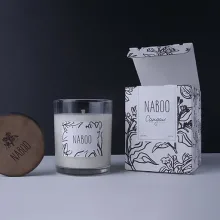
A custom coffee pod box should identify the brand and pod range on the front, then organize variant or preparation information on the panels the buyer will read. Keep the first selection cue easy to find. The side and top panels can carry details supplied by your team, but the hierarchy should not depend on a customer opening the box first.
Draw the panel system on the dieline before final artwork. A dieline is the flat cutting template that shows cuts, scores, folds, and glue tabs. Check the front panel after the box is folded, because a logo can land across a score or disappear under a tuck flap when the flat file looks fine.
How should compostable coffee pod concepts be scoped?
A compostable coffee pod concept should separate the pod material from the outer box brief. The pod itself and the box have different material, handling, and disposal questions. Describe the actual pod format, how it will be packed, and what information must appear on the box before choosing the construction.
If the package will touch coffee, ask us about food-contact options for your product. Do not copy a compostability statement onto the box until the product material and the intended disposal instruction are settled. The outer package still needs a clear fit, opening, artwork, and proof review.
What does a coffee pod co-packer need before proof approval?
A coffee pod co-packer needs pod dimensions, packout order, closure preference, artwork status, and the packing workflow before proof approval. A co-packer is a company that fills or packs another company's product. If the box is filled by hand, describe the handoff. If it moves through a packing process, show the loading direction and closure action.
Free design support can help organize the dieline and artwork brief. The digital proof should show the folded orientation, printed panels, scores, glue tabs, and any interior arrangement. Review the box with the real pods before approval, because an insert or partition cut too tightly can slow packing.
How should restaurant coffee pod packaging work at service?
Restaurant coffee pod packaging should match the service location, access path, and storage position. A box near a beverage station may need a fast opening and clear retrieval. A back-of-house box may prioritize compact storage and a repeatable handoff. State where the box will live and who will open it.
Test the service action with the actual pod arrangement before proof approval. Check whether the first pod is easy to reach, whether the closure stays out of the way, and whether the front panel still reads from the staff side. The same test helps a hospitality team review a guest-facing opening.
What MOQ and timing apply to a pod box order?
The MOQ is 100 units. Pricing is from $0.49 per unit at volume, quoted to spec. Production is typically 8 to 10 business days after proof approval, plus delivery. Free US shipping and free design support are available.
The $19.99 sample kit is credited toward the first order. Send the pod dimensions, arrangement, artwork status, quantity, and destination with the quote request so proof approval covers the actual box rather than a generic reference.
Where can you compare coffee pod formats?
Start with custom coffee pod boxes for the primary format. Compare coffee filter packaging, coffee capsule packaging, and coffee bean packaging when the product line includes related formats. The sample kit gives the team a physical reference, while custom packaging solutions is the broader route for an open format brief.
Request a quote with the pod dimensions, packout, opening direction, artwork status, quantity, and delivery destination.
Frequently Asked Questions
Can you make custom coffee pod boxes?
Custom coffee pod boxes can be planned for retail, restaurant, hospitality, or co-packer workflows. The brief should include pod dimensions, arrangement, opening style, artwork status, and intended use. Free design support is available, followed by a digital proof before printing.
How many units is the starting order for pod packaging?
The starting order for coffee pod packaging is an MOQ of 100 units. Pricing is from $0.49 per unit at volume, quoted to spec, so the final amount depends on the box construction, pod arrangement, artwork, quantity, and delivery details.
Can you discuss custom compostable coffee pods?
Custom compostable coffee pod concepts can be discussed as a complete packaging brief, with the pod material kept separate from the outer box decision. Share the pod format, handling needs, intended use, artwork, and package direction. If the box will touch coffee, ask us about food-contact options for your product.
What details should a coffee pod co-packer send?
A coffee pod co-packer should send pod dimensions, packout order, closure preference, loading direction, artwork status, quantity, and destination. The box should be reviewed in the same order the co-packer will fill and close it, so the digital proof reflects the working process.
When does coffee pod box production time start?
Coffee pod box production is typically 8 to 10 business days after proof approval, plus delivery. The proof should cover pod fit, arrangement, artwork, scores, glue tabs, and closure before the production window begins. The $19.99 sample kit is credited toward the first order.