



























































Confection packaging is the box or bag that holds and presents a confectionery product. Its job starts with the product shape, the way it is filled, and the way a customer opens it. A paperboard box gives a folded structure and printed panels. A flexible bag follows a different fill and handling path. Choose the format after those facts are written down.
Should confectionery use a box or a bag?
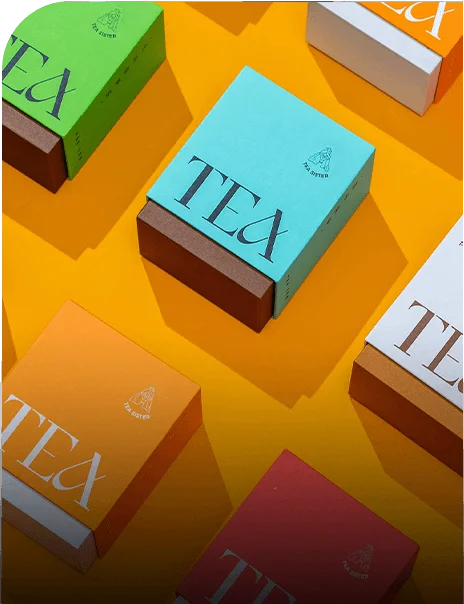
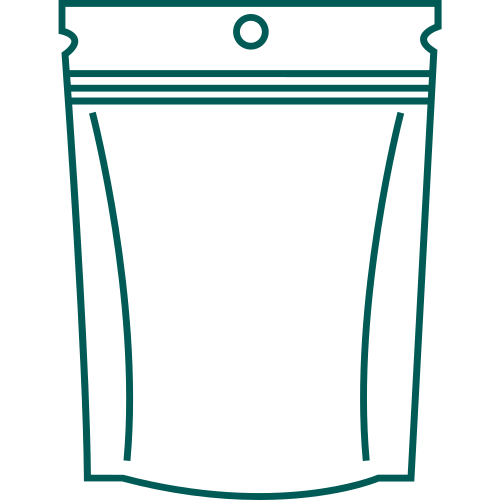
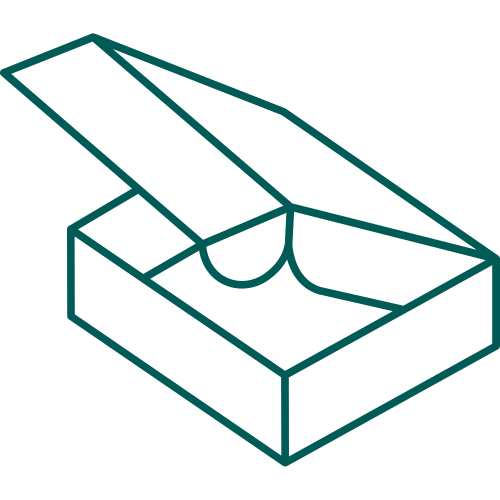
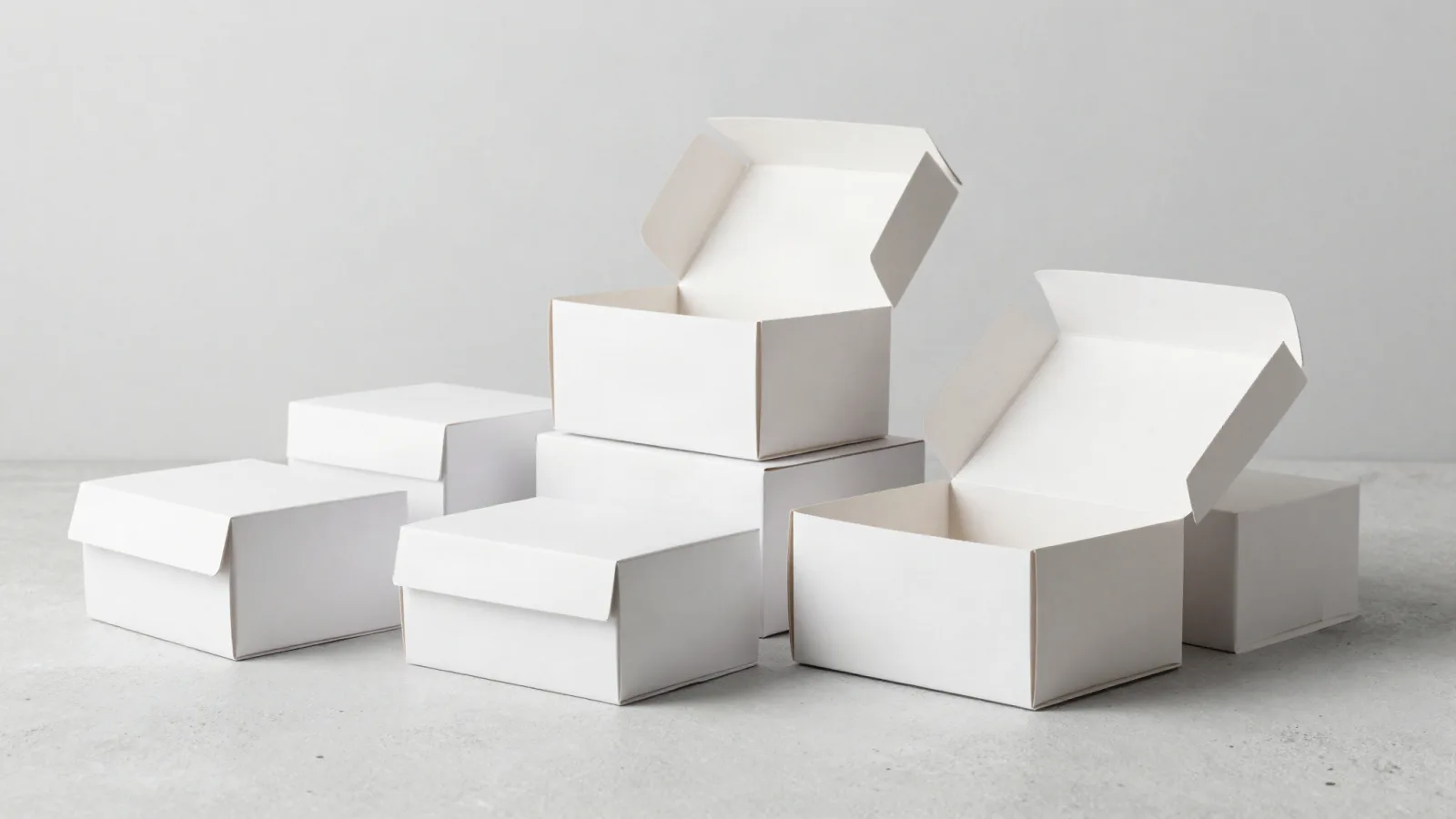
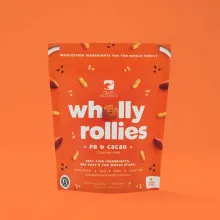
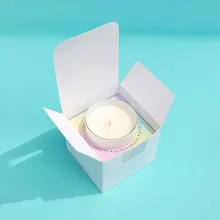
Use a box when the product needs a defined outside surface, a structured opening, or an arranged presentation. Use a bag when flexible handling and a different fill path fit the product better. The format changes how the product is placed, how artwork sits around folds or seams, and how the customer gets to the contents.
| Packaging direction | What it changes | Proof checkpoint |
|---|---|---|
| Structured box | Outside panels, scored folds, and opening sequence | Does the confection sit correctly without crowding the folds? |
| Flexible bag | Fill path, seal area, and customer handling | Does the filled bag keep the artwork readable? |
| Perforated opening | Where and how the customer tears the package | Can the opening be found and used without disturbing the product? |
| Private-label format | Product naming, artwork ownership, and brand hierarchy | Does the proof separate supplier information from the selling brand? |
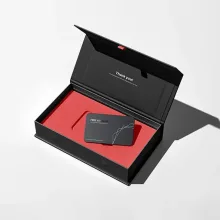
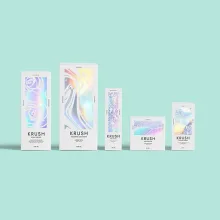
Wine box packaging is a catalog reference for a structured box conversation. Wax packaging can frame a coated material direction. If the confection is sold under another brand, private-label packaging can frame the artwork ownership and product naming discussion. These pages are references, not fixed confectionery specifications.
How should confection packaging materials and finishes be chosen?
Choose material and finish together with the fill, folds, and customer handling. Paperboard bends at scored folds and gives a box printable panels. Rigid chipboard holds shape and is wrapped in printed paper, so it suits a fixed presentation. Aqueous coating is water-based, dries fast, and usually takes glue and writing more readily on flaps. UV coating cures hard and glossy and resists scuffing better than aqueous, but it can crack along score and fold lines and is harder to write on.
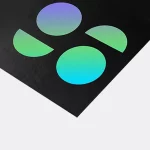
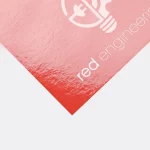
Matte lamination cuts glare on a handled package. Gloss lamination reflects more light across the printed surface. Spot UV places a hard gloss only on selected areas, while foil adds a metallic element that needs clean artwork and careful registration. Tell CPL which panels need visual treatment and which panels need uninterrupted reading space. Material and finish options are quoted to spec.
When is perforated confection packaging useful?
Use perforation when the opening needs a clear, repeatable tear. A perforation is a line of small cuts that guides the tear, while a score is a pressed fold line that guides bending. The two details do different jobs. Review perforated packaging as a catalog reference, then check the opening against the confection, fill path, artwork, and customer handling.
If the package may touch the product directly, ask us about food-contact options for your confectionery product. Share the material direction and filling method so the quote follows the actual use case.
How should confectionery artwork be proofed before printing?
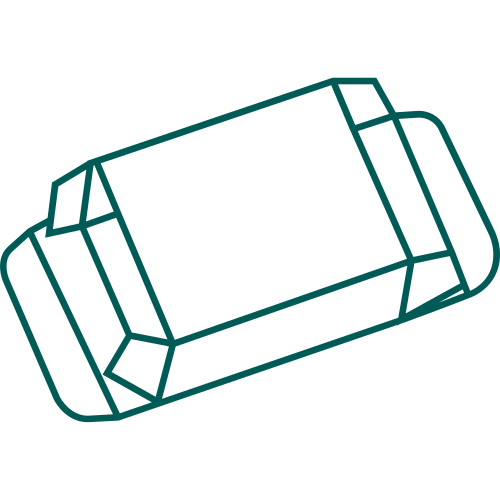
Proof the complete package, not only the front panel. A dieline is the flat cutting template used to print and cut a package. Check the digital proof before anything prints, including scores, glue tabs, seams, openings, bleed, and the panels hidden during the closed position. Type set too close to a score can disappear into the fold. RGB art can shift when converted for press, and low-resolution logos stay soft.
Can one confection line use both boxes and bags?
Yes, one confection line can use both boxes and bags when the product roles and brand rules are written separately. Keep the shared logo, product naming order, and variant system consistent, then adapt the artwork to the surface, seam, fold, or opening of each format. A box proof and a bag proof should each show the actual filled arrangement, not a copied layout.
What are the order and production basics?
Custom Packaging Lane uses a 100-unit MOQ. Pricing is from $0.49 per unit at volume, quoted to spec. Production is typically 8 to 10 business days after proof approval, plus delivery. The quote follows the selected box or bag, material, print, finish, and quantity.
Free US shipping and free design support are available. The $19.99 sample kit can be credited toward the first order and gives a team a physical comparison before proof approval. The custom packaging solutions hub can help organize a request that uses more than one format.
How should you start a confection packaging quote?
Send the confection form, filled arrangement, preferred box or bag, opening method, artwork status, variant system, display setting, material direction, and finish request. If the package may touch the product, ask us about food-contact options. A short brief with those facts gives the quote a real structure to follow.
Frequently Asked Questions
What is the difference between confectionery boxes and bags?
Confectionery boxes give a product a structured outside surface, scored folds, and a defined opening. Confectionery bags follow a flexible fill and handling path, with different seal and artwork considerations. The better format depends on the product shape, filled arrangement, display setting, and customer use. Share those facts before selecting the final package.
Which finish works for a confection box?
Aqueous coating is water-based, dries quickly, and usually takes glue and writing more readily on flaps. UV coating cures hard and glossy and resists scuffing better, but it can crack along scores and is harder to write on. Matte or gloss lamination, spot UV, and foil should be quoted to the selected material and structure.
Can confectionery packaging touch the product?
Confectionery packaging that may touch the product requires an application-specific material discussion. Tell Custom Packaging Lane how the confection will be filled and whether the package touches it directly. Ask us about food-contact options for the selected format. Do not treat a material name or decorative finish as a blanket answer for every confection package.
What does a perforated confection package change?
A perforated confection package changes the opening by adding a line of small cuts that guides a repeatable tear. The perforation still needs to fit the product, fill path, artwork, seal, and customer handling. Review the perforated packaging catalog reference, then include the opening direction in the project proof and quote.
How much confection packaging should I order?
Custom Packaging Lane confection packaging uses a 100-unit MOQ. Pricing is from $0.49 per unit at volume, quoted to spec. Production is typically 8 to 10 business days after proof approval, plus delivery. Free US shipping and free design support are available, and the $19.99 sample kit can be credited toward the first order.