














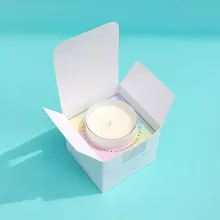




































What should a corrugated hat box protect?
A corrugated hat box needs to protect two different geometries: the brim’s plane and the crown’s volume. A wide brim can curl when its edge meets a wall, while a tall or shaped crown can collapse under top pressure. Feathers, bows, pins, and badges add their own clearance zones. The package should control movement without turning the hat itself into a structural support.
CPL’s custom hat boxes can use heavy-duty corrugated board for shipping, reinforced walls, and moisture-resistant coatings. Those features are useful for retail display, gifting, and PR mailers, but the packout still has to follow the actual hat. A coating can help with brief moisture exposure during handling. It does not make a paper-based box waterproof.
Which hat measurements control the box fit?
Measure the hat in its packed state, not from a size label. Record the widest brim footprint, the tallest point of the crown, and every projecting decoration. Include tissue, a crown form, a brim support, or a separator if it stays in the package. Packed weight and orientation also matter because a hat stored crown-up creates a different load path from one nested with another hat.
| Hat format | Primary fit risk | Detail to specify |
|---|---|---|
| Wide structured brim | Edge curl or bending | Full footprint and underside support |
| Cowboy hat | Shaped brim distortion | Upturned edge clearance and crown crease |
| Tall crown | Top compression | Highest point and lid clearance |
| Soft cap | Bill damage or crown collapse | Packed fold state and restraint position |
| Nested hats | Pressure transfer between units | Stack order, separators, and load path |
Controlled clearance is the aim. Too little space places pressure on shaped fabric. Too much lets the hat gain momentum and strike a side wall. A fit review should also check the removal path so a customer can lift the hat without catching a brim edge or decorative piece on the opening.
Which corrugated structure suits the hat packout?
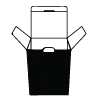
A roll end tuck front mailer follows FEFCO 0427, a recognized corrugated style with rolled side walls and a front-locking closure. It can suit a shallow packout, but a tall crown may call for a different opening and greater wall depth. The closure path matters: a flap should not sweep across the crown or force the brim to flex as the box closes.
For hat packaging, E-flute is commonly considered when a lower-profile wall and smoother print face matter. The final choice still depends on the hat’s shape, packed weight, unsupported panel area, and handling route. Review general corrugated boxes for board-led formats and custom corrugated mailer boxes for fold-over openings and front-tuck construction.
How should the box restrain different hat styles?
Common hat-box restraint patterns include an annular platform under a structured brim, a low collar around the crown base, and corner blocks positioned beyond the brim. Each approach moves handling load into the package rather than through the crown. Support should touch stable areas, avoid sweatbands and trim, and leave a clear grip point for removal. For nested hats, separators should stop one brim from bearing on the crown below.
If a hat ships with scarves or folded garments, the custom apparel boxes category can help frame a compartment plan. Keep the hat’s crush zone separate from loose apparel, and state whether the corrugated hat box is the presentation package, the shipping package, or an inner layer.
Which print and finish choices work on corrugated hat packaging?
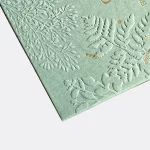
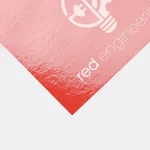
Flexographic printing can place solid color and line art directly on a corrugated surface. Digital printing is commonly used for shorter runs or artwork with more versioning. Matte or gloss lamination, soft-touch treatment, spot UV, foil stamping, embossing, and debossing can change the presentation, but their placement must respect folds and scores.
Put the main logo on a broad, uninterrupted panel. Keep small type and raised or recessed details away from lid seams, reinforced corners, and closing tabs. A large mark that looks centered on the flat layout can shift visually once the walls are folded, so artwork should be judged on the assembled shape.
What should the final corrugated hat box specification include?
State the hat style, packed brim footprint, crown height, decoration clearance, packed weight, hats per box, opening direction, restraint method, and intended handling route. Name the corrugated structure, coating, print method, finish placement, and whether the package needs a separate outer shipper. A digital proof is sent before printing.
Orders start at 100 units, with pricing from $0.49 per unit at volume. Production typically runs 8 to 10 business days after proof approval, plus delivery. Free US shipping and free design support are included. The sample kit costs $19.99.
Use the packed hat, not the nominal hat size, as the basis for the quote. A complete request should make the brim supports, crown clearance, closure path, and artwork zones explicit.
Frequently Asked Questions
What measurements matter most for a corrugated hat box?
Measure the hat exactly as packed. Capture the widest brim footprint, crown height, and the reach of feathers, bows, pins, or badges. Include any tissue, crown form, sweatband protector, or separator that stays inside. Record packed weight and orientation too, because a box sized only from the hat label can miss the shape that actually occupies the package.
Which insert style protects a structured hat?
An annular platform can support a structured brim from below, while a low collar can limit crown movement without pressing the shaped top. Corner blocks can keep the brim away from side walls. The correct choice depends on where the hat can safely carry load, how it is removed, and whether decorative elements project beyond the basic silhouette.
Can one corrugated box hold several hats?
Multiple hats can share a box when they nest or stack without transferring pressure through crowns or brim edges. The packout should state sequence, separator position, total packed weight, and the load path to the side walls. Mixed brim widths or raised decorations make a shared box harder to control than identical hats prepared in the same packed state.
Should the corrugated hat box also be the shipping box?
Use a single corrugated package only when the closure, wall strength, and restraint are designed for the full handling route. A presentation-led hat box may need a separate outer shipper to protect the surface and keep labels off the display face. Decide this before artwork, because shipping labels, scuff zones, and opening sequence affect panel planning.
Where should artwork sit on a corrugated hat box?
Put the primary mark on a broad panel that remains visible after assembly. Keep small type, foil accents, spot UV, embossing, and debossing away from scores, lid edges, and reinforced corners. Review the artwork on the assembled shape, because a flat layout can hide how a logo crosses a fold or disappears beneath a closing flap.