




























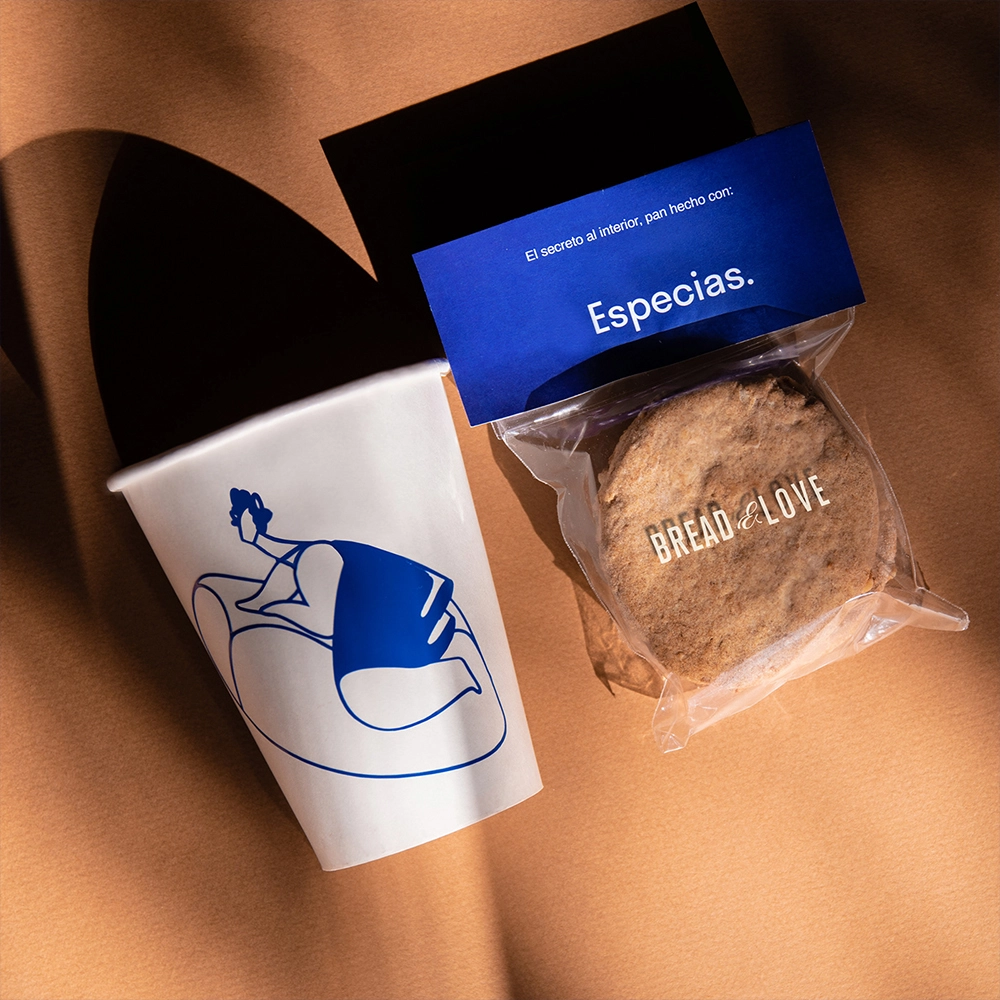




















































What should craft fair packaging supplies do at the booth?
Craft fair packaging supplies should keep the product easy to understand and easy to carry while the seller works a small table. The package also has to fit behind the display, open without a struggle, and leave the buyer with a clear product reference after the sale.
A crowded booth changes the package job. A customer may pick up the package, ask about the item, and carry it away with other purchases. A clear front panel and a closure that works by hand are more useful than decoration that hides the product name or makes the box awkward to pack.
| Booth priority | Packaging direction | Check before ordering |
|---|---|---|
| Fast product explanation | Printed presentation box | Front panel, product name, opening |
| Easy customer carry | Compact package | Closed shape, handoff, packed size |
| Several product variants | Shared branded format | Variant naming, panel placement, artwork |
| Sales after the event | Repeatable custom format | Dimensions, file version, reorder brief |
How should a maker choose a package for a craft fair assortment?
Choose the package around product shape, booth display, customer carry, and post-event use. A small sewn item needs a different interior conversation from a folded textile or a plant-related product. Start with the finished item and the way it sits on the table.
Catalog pages such as seed packaging, sock packaging, and private-label packaging can give a maker a reference point for category, shape, and brand treatment. They are starting points for the brief. The final package still needs to match the actual product, artwork, closure, and customer handoff.
Why does the 100-unit MOQ matter for a craft fair?
The MOQ is 100 units, so a maker can plan a focused run around one product or a small assortment. That quantity can also support direct orders after the event when the same package format remains useful. Set the order around the product line that needs packaging first, then decide whether one artwork system can cover more than one event.
Pricing is from $0.49 per unit at volume, quoted to spec. The quote depends on the package details, quantity, artwork, dimensions, and finish. Do not treat the starting figure as a flat price for every craft fair package.
How should craft fair artwork be prepared for a busy market table?
Craft fair artwork should make the brand and product name readable at the package's normal viewing distance. It should also leave room for folds, scores, glue tabs, and the hand that opens the package. A dieline is the flat cutting template that shows those cuts, folds, and glue areas.
Keep small type away from scores, leave the required bleed on the file, and check RGB artwork after conversion for press. A digital proof catches a logo that lands across a fold or a product name that loses contrast before anything prints. Free design support can help draw the dieline from the product dimensions and organize the proof.
What does craft fair packaging cost and how long does it take?
The MOQ is 100 units. Pricing is from $0.49 per unit at volume, quoted to spec. Production is typically 8 to 10 business days after proof approval, plus delivery. Free US shipping and free design support are available.
A $19.99 sample kit is credited toward the first order. Use it to inspect the package feel, opening, and handoff before approving the production proof. For wider format planning, use the custom packaging solutions hub.
What should you send for free design support?
Send the product dimensions, artwork or logo, expected quantity, and event context. Add the preferred opening, customer carry needs, and whether the package will be reused for direct orders. Free design support can turn that information into a dieline and digital proof before anything prints.
- Finished product dimensions and packed weight.
- Logo, product name, variant names, and artwork status.
- Booth display, customer carry, and post-event use.
- Quantity, finish direction, and desired opening.
Production timing starts after proof approval. Leave room for the artwork decision and delivery stage when the event date is fixed.
Frequently Asked Questions
Is 100 units too many for a craft fair?
The MOQ for craft fair packaging is 100 units. Plan the run around one product or a small assortment, then decide whether the same format can support direct orders after the event. A focused package brief keeps the quantity tied to the product, artwork, opening, and customer carry needs.
Can design support start from a rough logo?
Free design support can start with a rough logo, product dimensions, and a description of how the package will work at the booth. A dieline is the flat cutting template for the box, including cuts, scores, and glue tabs. The digital proof gives you a clear point to check artwork before printing.
Which packaging format suits small handmade products?
The right format for a handmade product depends on its finished shape, booth display, opening, and customer carry. Seed packaging, sock packaging, and private-label packaging are catalog reference points, not a promise that one construction fits every craft product. Send the product dimensions before selecting the package.
When should I plan a craft fair packaging order?
Plan around proof approval because production is typically 8 to 10 business days after proof approval, plus delivery. Give the packaging team the event context, product dimensions, artwork status, and quantity before the proof is prepared. Delivery is additional, so leave room for that stage in the event plan.
What does the sample kit cost for craft fair packaging?
The craft fair packaging sample kit costs $19.99 and is credited toward the first order. It gives a maker a physical reference for package feel, opening, and handoff before production. The final construction still needs a digital proof built around the product dimensions and approved artwork.












