




























































What should a custom box company handle before production?
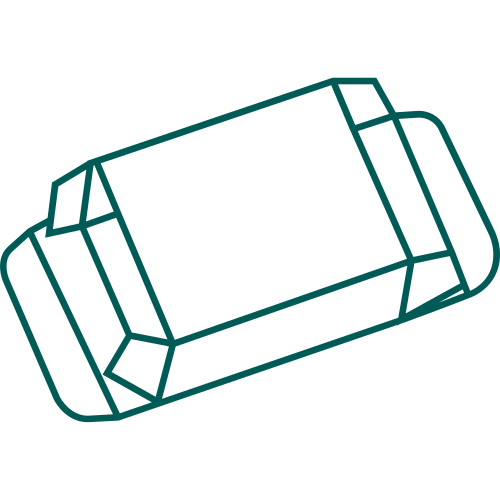
A custom box company should turn product dimensions and the intended handoff into a buildable package brief before anyone prints. A dieline is the flat cutting template that shows panels, scores, glue tabs, folds, and cut lines. Send the product dimensions, packed orientation, artwork status, and opening idea. Custom Packaging Lane provides free design support and draws the dieline, then sends a digital proof before anything prints.
That order matters. Type too close to a score can disappear into a fold. RGB art can shift when converted for press, and a file without bleed can leave a white edge after trimming. Catch those problems on the proof, not after cartons are packed.
How do you judge a custom box company's first reply?
The first reply is worth comparing when it answers the package questions instead of repeating a catalog label. Ask what the supplier needs, what it will return, and which decisions still belong to you. The table gives you a record to compare.
| Supplier step | Question to ask | Record to keep |
|---|---|---|
| Brief | Which product dimensions and opening should drive the box? | Written project brief |
| Dieline | Which panels, scores, tabs, and folds belong in the structure? | Flat dieline with cut and fold marks |
| Proof | What will be checked before printing? | Digital proof with the proposed artwork |
| Quote | Which quantity, board, finish, and delivery details shape the price? | Quote tied to the requested specification |
| Schedule | When does the production clock start? | 8 to 10 business days after proof approval, plus delivery |
What should a digital proof show before printing?
A digital proof should show the artwork on the flat dieline and the way the finished box will fold. Check logo placement, copy near scores, bleed beyond trim, image resolution, and barcode size. RGB files can change color when a press workflow converts them, so approve the proof with that conversion in mind.
A press check is a production inspection of ink coverage, registration, trim, and folds against the approved file. Digital printing puts the file directly on the sheet and suits short runs. Offset printing uses plates and setup, then suits larger runs where the setup is worth carrying. Ask which process fits the quantity and coverage rather than asking for a process by name.
Which product pages help you compare box structures?
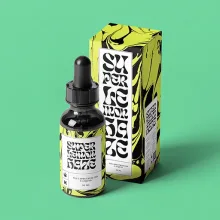
Product pages give you concrete references for the first conversation. Custom foam box inserts show how interior fit changes the brief. A custom DNA test kit box reference raises questions about instructions and kit organization. For bottle presentation, compare custom woozy bottle boxes with wine box packaging. The final box still follows the actual product dimensions.
How do candle, display, and K cup boxes change the brief?
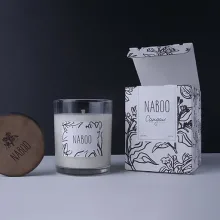
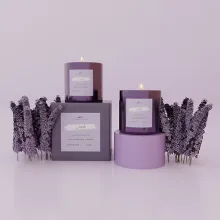
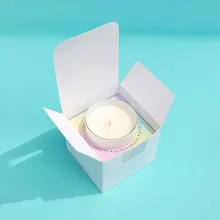
Candle, display, and K cup boxes need different briefs because their first handling moment differs. For custom candle boxes, state the vessel dimensions, the opening, and the copy that should be read before the candle comes out. For custom display boxes, state the shelf or counter position and the panel that must face the buyer. For custom K cup boxes, state the product grouping, orientation, and how the box will be picked up. Keywords become useful once they point to a real package decision.
What do MOQ, price, and production timing mean?
The commercial starting point is clear: MOQ is 100 units, pricing is from $0.49 per unit at volume, quoted to spec, and production is typically 8 to 10 business days after proof approval, plus delivery. Free US shipping and free design support are available. The $19.99 sample kit gives a buyer a physical reference before a larger order; it does not replace a project-specific proof.
What should you send when requesting a quote?
A useful quote request ends with the facts a supplier needs to draw and price the box.
- Product dimensions, packed orientation, and any fragile areas.
- Opening preference, closure idea, and interior fit requirements.
- Artwork files, copy, logo status, and the panel that should lead.
- Quantity, destination, and the date you need packaging in hand.
- Questions that remain open after reviewing the product references.
Send those details through the custom packaging solutions path, and ask for the dieline, proof, quote scope, and production window in writing. That is the next step.
Frequently Asked Questions
What should I ask a custom box company before requesting a quote?
Ask a custom box company for the required product dimensions, proposed structure, dieline, proof process, quote scope, and production timing. Include the quantity and destination in the first message. A useful reply should show what the supplier needs from you, what it will prepare, and when your approval starts the production clock.
Does free design support include the dieline?
Free design support from Custom Packaging Lane includes drawing the dieline from the product and package information you provide. A dieline is the flat cutting template for panels, scores, folds, glue tabs, and cut lines. The supplier sends a digital proof before printing, so you can review the proposed structure and artwork.
Why does proof approval matter for a custom box?
Proof approval matters because it is the checkpoint before printing. Review the dieline, logo placement, copy near scores, bleed, image resolution, barcode size, and fold direction at that stage. Production is typically 8 to 10 business days after proof approval, plus delivery, so the clock starts after the package direction is approved.
Can one supplier discuss candle, display, and K cup boxes?
A supplier can discuss custom candle boxes, custom display boxes, and custom K cup boxes when the brief explains the product and its handling moment. Candle packaging centers on vessel fit and opening. Display packaging centers on the facing panel. K cup packaging centers on grouping and orientation. Each format still needs its own proof.
How much does the Custom Packaging Lane sample kit cost?
The Custom Packaging Lane sample kit costs $19.99. It gives a buyer a physical reference for discussing box structure, surface, opening, and presentation before a larger order. The sample kit does not replace a project-specific proof, because the final dieline and artwork must match the actual product.