


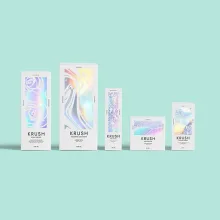
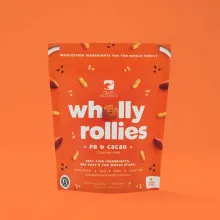



































What does custom boxes and packaging include?
Custom boxes and packaging means the box and any pieces that shape the opening, such as a sleeve, tray, insert, or lid. A packaging system is a set of those pieces planned around one product handoff. Start with the opening and product arrangement, then choose the box family that can hold that plan.
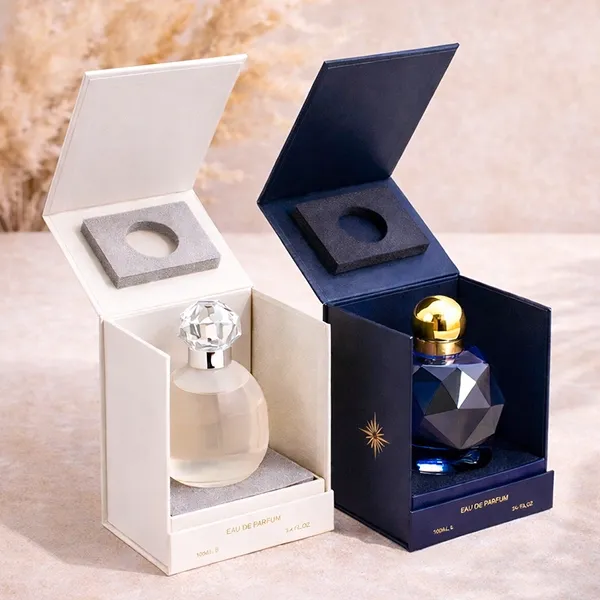
A folding box uses cuts and scores in one sheet. A rigid box is built from chipboard wrapped in printed paper, so it holds shape without a fold. A sleeve can hide, frame, or release a tray. Those are different constructions, and the proof needs to show the pieces together.
How do you match a structure to the opening?
Match the structure to the way the customer reaches the product and the way the package will be handled after opening.
| Structure | How it is built | Opening question |
|---|---|---|
| Folding box | One printed sheet cut and scored to fold into shape | Which flap or closure should the buyer open first? |
| Sleeve and tray | An outer sleeve slides over a separate tray | Should the tray appear all at once or in stages? |
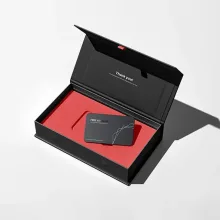
| Lid and tray | A separate lid covers a base or fitted tray | What should the buyer see when the lid lifts? |
| Rigid box with sleeve and tray | Chipboard construction with a wrapped cover and fitted pieces | Which layer should carry the first message? |
When does a sleeve and tray box fit?
A sleeve and tray box fits when the outer sleeve and inner tray need separate jobs in the opening. The sleeve can carry the main artwork while the tray holds the product in a fixed position. Review custom sleeve and tray boxes when the package needs layered presentation. Product dimensions still control the tray depth, clearance, and insert plan.
What should custom candle, display, K cup, and kraft boxes answer?
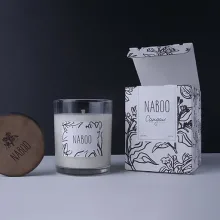
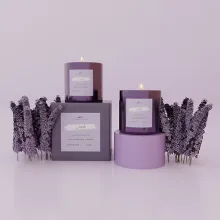
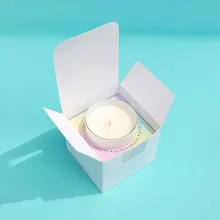
Custom candle boxes should answer how the vessel sits and how the buyer reaches it. Custom display boxes should answer which face meets the shelf or counter first. Custom K cup boxes should answer how the grouped product is arranged and picked up. Custom kraft boxes should answer how the brown paper surface fits the artwork and package use. If the package touches food, ask us about food-contact options for your product.
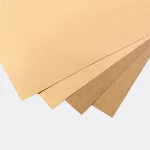
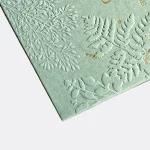
Kraft is a paper surface with a natural brown fiber appearance, so printed colors can look different from the same artwork on white board. State the desired surface before the proof. The material choice is part of the visual decision, not a last-minute swap.
How should artwork handle scores, cuts, and material?
Artwork should follow the dieline without placing important copy on a score or cut. A dieline is the flat template that marks the panels, folds, glue areas, and trim. Leave bleed beyond the cut line, keep type inside the safe area, and check that the insert cavity matches the packed product. An insert cut too wide lets the product rattle. One cut too tight can make packing slow.
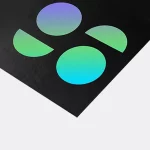
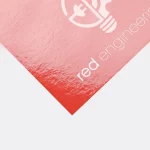
Matte and gloss lamination change glare and surface feel. Spot UV puts a glossy coating on selected areas, while foil adds a reflective accent. Type, logos, and fine details still need enough contrast after the box folds. RGB artwork can shift when converted for press, so the proof needs a color review before approval.
Which product pages can you use to compare box families?
Use product pages to compare one structural decision at a time. Custom lid and tray boxes give you a separate top and base reference. Custom printed macaron packaging boxes give you a presentation-led format to discuss. For a layered format with more structure, review rigid boxes with sleeve and tray. The related custom sleeve and tray boxes page keeps the sleeve discussion separate from the rigid construction.
What are the MOQ, price, and production terms?
The MOQ is 100 units. Pricing is from $0.49 per unit at volume, quoted to spec. Production is typically 8 to 10 business days after proof approval, plus delivery. Free design support is available, and free US shipping is included. The $19.99 sample kit gives the buying group a physical reference before the box family and artwork are approved.
What should you settle before choosing a box family?
Settle the product dimensions, opening sequence, interior arrangement, artwork status, quantity, and delivery destination. Then use the custom packaging solutions page if the project still needs a wider format discussion. Ask for one project-specific dieline and proof. That keeps the box, sleeve, tray, and insert decisions tied to the same product.
Frequently Asked Questions
What is included in a custom packaging system?
A custom packaging system can include a box, sleeve, tray, insert, lid, or more than one of those pieces around the same product. The right combination depends on the opening, product arrangement, artwork, and handling path. A project-specific dieline and digital proof show how the pieces fit before printing.
When does a sleeve and tray make sense?
A sleeve and tray makes sense when the outer sleeve should carry artwork or control the reveal while a separate tray holds the product. The tray needs the packed product dimensions and clearance. Review custom sleeve and tray boxes as a reference, then approve a project-specific dieline before production.
How should artwork be prepared for cuts and folds?
Artwork for custom boxes should follow the dieline, keep important copy away from scores and cuts, include bleed beyond trim, and leave safe space around text. RGB art can shift when converted for press. A digital proof gives the buyer a chance to review color, folds, panels, and insert fit before printing.
Can custom kraft or display boxes be part of one brief?
Custom kraft boxes and custom display boxes can be discussed in one brief when the product family, visual direction, and package jobs are clear. Kraft paper has a natural brown surface that changes printed color. Display packaging needs a defined facing panel. State those choices before the proof is prepared.
What are the commercial terms for custom boxes and packaging?
The commercial terms are a 100-unit MOQ, pricing from $0.49 per unit at volume, quoted to spec, and production typically 8 to 10 business days after proof approval, plus delivery. Custom Packaging Lane includes free design support and free US shipping, and the sample kit costs $19.99.