
































































What does a clothing box need to fit?
A clothing box needs to fit the folded garment as it will actually ship or reach the customer. A packout is the complete arrangement of the garment, tissue, cards, sleeve, and any insert inside the box. Measure that arrangement, then keep the interior dimensions separate from the outside dimensions.
Describe whether the garment is folded flat, arranged as a set, or packed for a direct shipment. A box that is too shallow can press into a folded edge. A box that is too deep can let the packout slide during handling. Those are structure questions, not artwork questions.
How should custom shipping boxes for clothing handle the order?
Custom shipping boxes for clothing should match the handoff after packing. A direct customer shipment has a different opening and closure conversation from a wholesale carton or a gift set. Decide which job comes first before choosing the format.
| Clothing use case | Useful box direction | Check before proof approval |
|---|---|---|
| Direct shipment | Printed mailer box | Closure, folded height, and return handling. |
| Retail presentation | Folding carton or rigid box | Front panel, opening order, and tissue placement. |
| Wholesale apparel | Corrugated carton | Bundle arrangement, label location, and stack orientation. |
| Gift set | Box with insert or sleeve | Product arrangement, insert clearance, and panel order. |
Keep the product path visible. A clothing box that looks right on a desk can still fail if the folded packout catches on the flap or shifts inside the carton.
What should a clothing packaging request include?
A clothing packaging request should include the garment type, folded packout, box role, artwork status, quantity, destination, and desired arrival window. State whether the package is for retail, wholesale, gifting, or direct shipment. Include any tissue, card, sleeve, or insert that will sit inside the box.
- Describe the garment and the packed dimensions.
- State the customer handoff: retail, wholesale, gift, or direct shipment.
- Identify the shared brand elements and the product details that change.
- Explain the closure, opening, tissue, sleeve, or insert preference.
- Include the order quantity, destination, and desired arrival window.
If an apparel gift set includes a small bottle or vial, list that item in the packout rather than treating it as empty space. The same rule applies to an adjacent product: measure the complete arrangement.
How should custom clothing packaging artwork be prepared?
Custom clothing packaging artwork should follow the order in which the customer meets the box. A dieline is the flat cutting template that shows panels, scores, glue tabs, and cut lines. Place the brand mark, collection name, garment name, size information, and opening message against that template, not against a flat rectangle.
Keep type away from scores and cuts. Bleed means artwork extends past the cut line so trimming does not leave a white edge. RGB artwork can shift when it is converted for press, so check the digital proof in the intended color setup. Free design support can organize the dieline, artwork inputs, and proof before production.
Which product pages can clarify a clothing packout?
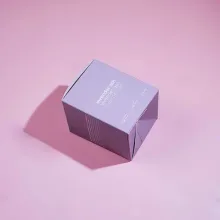
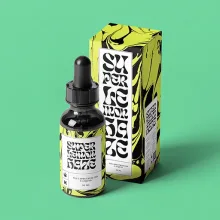
The undergarments, vial, and woozy bottle product pages can clarify related clothing packout questions while the garment remains central. Custom undergarments boxes give a clothing-specific starting point. If a clothing gift set includes a small-format product, custom vial boxes can frame that separate item. A bottle set has a related reference in custom woozy bottle boxes. Keep each item measured in the same packout record.
What terms apply to custom clothing boxes?
Custom Packaging Lane uses a 100-unit MOQ. Pricing is from $0.49 per unit at volume, quoted to spec. Free design support and free US shipping are available. Production typically takes 8 to 10 business days after proof approval, plus delivery.
The quote should state whether the box supports a launch, restock, collection, gift set, or recurring fulfillment workflow. That context does not replace dimensions. It tells the supplier how the box will be used after it leaves the packing table.
How should proof approval fit the clothing schedule?
Proof approval should come after the packed garment, artwork, collection details, and opening have been checked. Production typically takes 8 to 10 business days after proof approval, plus delivery. The $19.99 sample kit is credited toward the first order and can give stakeholders a physical reference while structure or surface direction is still open.
Where should a clothing brand send the next brief?
Send the measured garment packout, box purpose, artwork status, quantity, destination, and desired arrival window through the apparel packaging hub. Ask for the box direction and proof path in the same request. That keeps custom clothing boxes tied to the way the order will actually be packed and opened.
Frequently Asked Questions
What are custom clothing boxes used for?
Custom clothing boxes organize folded garments for retail presentation, wholesale handling, gifting, or direct shipment. The right direction depends on the packed garment, opening sequence, closure, artwork system, and customer handoff. Describe the complete packout before selecting a box format.
Can one box system serve multiple clothing collections?
One clothing box system can use shared brand elements while product details change by collection, garment, size, or color. Record the common structure separately from the changing artwork. The packed garment still needs measurement for each format, especially when tissue, sleeves, cards, or gift-set items change the interior fit.
What is the MOQ for custom clothing packaging?
The MOQ for Custom Packaging Lane custom clothing packaging is 100 units. Include the garment type, folded packout, box role, artwork status, destination, and customer handoff in the request. Those details keep a clothing quote tied to the actual fulfillment workflow.
How is custom clothing box pricing quoted?
Custom clothing box pricing is from $0.49 per unit at volume, quoted to spec. The quote uses the selected structure, quantity, garment packout, artwork, and destination rather than a flat price for every apparel box. Ask for current project terms after the brief is complete.
When does custom clothing box production start?
Custom clothing box production typically takes 8 to 10 business days after proof approval, plus delivery. Garment measurements, artwork, collection details, and internal signoff should be complete before proof approval because the production estimate starts at that milestone.