
















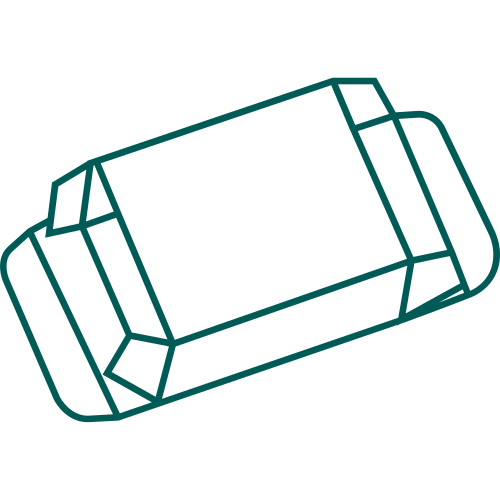







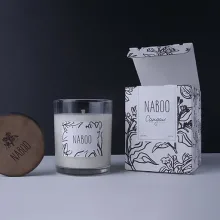
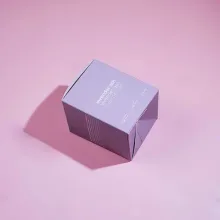
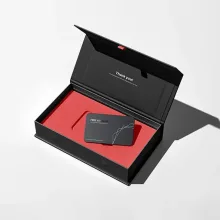
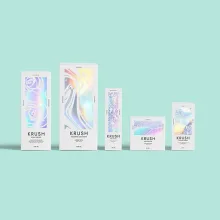



































Custom food packaging is the package structure, material direction, printed artwork, and handling plan built around a food product. A dieline is the flat cutting template that shows the panels, cuts, scores, and glue areas before a box is made. Start with the packed dimensions, channel, storage conditions, and whether the product touches the package. Custom Packaging Lane is a US-based packaging supplier, and the custom packaging solutions hub gives broader context than this food-specific page.
What should custom food packaging solve?
Custom food packaging should protect the product through its actual handling path and give the buyer the information needed at the point of purchase. Shelf cartons, bags, tins, and display boxes have different openings, surfaces, and space for product details. A frozen food box adds cold handling and condensation to the conversation.
Put the packed product dimensions and the selling channel into the brief first. A package for a retail shelf needs a readable front. A storage bag needs an opening and closure discussion. A gift or specialty box needs a deliberate opening sequence. The structure follows the use case.
Which custom food packaging format fits the product?
Choose a shelf carton for fixed retail presentation, a flexible bag for storage, a tin for a firm container, and a frozen food box when cold handling is part of the brief. Use the table to name the package job before choosing artwork.
| Package format | Physical direction | Planning question |
|---|---|---|
| Shelf carton | Printed panels around a fixed product | What must be read before purchase? |
| Flexible bag | Film package for storage or handling | How will it open and be stored? |
| Tin | Rigid metal package with a fitted lid | Does the product need a firm container? |
| Macaron box | Separated presentation for delicate pieces | How should portions stay arranged? |
| Frozen food box | Carton for a frozen product brief | What cold and moisture conditions must be discussed? |
What changes for custom frozen food boxes?
Custom frozen food packaging and custom frozen food boxes need a brief that covers cold storage, condensation, handling, labeling, display, and the path from storage to sale. Share the packed dimensions, expected handling, and intended package format first.
Do not select a carton from a product name alone. Explain whether the package is opened by a consumer, placed in another shipping carton, or displayed directly. If the product touches the package, ask us about food-contact options for your product. That information keeps the discussion tied to the actual application.
Which food packaging products should I compare?
Compare custom mylar food storage bags, custom printed macaron packaging boxes, custom stevia packaging, and custom tin packaging when you are defining the package direction. Mylar is a polyester film, and a metallized layer can block light and reduce moisture and odor transfer, but the exact package construction still needs a product-specific review.
A small-format serving package needs an insert or partition plan so pieces do not slide. A tin gives a rigid package direction with a fitted lid. These product pages help you name the physical format before the artwork brief is finalized.
What should the food packaging proof show?
The proof should show the finished panel order, product fit, opening, artwork, and any information that must stay readable. Review the dieline before the proof is approved. Keep type away from scores and glue tabs, leave bleed beyond the cut line, and check that artwork converted from RGB has the intended color direction. If a barcode is included, check its size and contrast at the printed scale.
Free design support can help draw the dieline from product dimensions and organize a digital proof before anything prints. The clock starts at proof approval. Production is typically 8 to 10 business days after proof approval, plus delivery.
Can I ask about food-contact options?
Yes, ask us about food-contact options for your product when the product will touch the package. State what touches the package, how the package is opened, and whether the product is chilled, frozen, dry, or shelf displayed. That information gives the supplier a real use case to review.
What are the wholesale terms for custom food packaging?
Custom food packaging starts at 100 units. Pricing is from $0.49 per unit at volume, quoted to spec. Production is typically 8 to 10 business days after proof approval, plus delivery. Free design support and free US shipping are available.
A $19.99 sample kit gives you a physical reference for structure and finish before the final proof. Include the product, packed dimensions, package format, quantity, artwork status, and delivery destination in the request. Request a quote with that brief.
Frequently Asked Questions
How do I start a custom food packaging project?
A custom food packaging project starts with the product, packed dimensions, package format, selling channel, storage conditions, quantity, artwork status, and destination. Free design support can organize those inputs into a dieline and digital proof. Request a quote after the package job is clear enough to review.
Can you make custom frozen food boxes?
Custom frozen food boxes need a brief that covers cold storage, condensation, handling, labeling, display, and the path from storage to sale. Share the packed dimensions and intended package format first. Ask us about food-contact options for your product when the food will touch the package.
What are food-contact options for custom food packaging?
Food-contact options for custom food packaging should be discussed from the actual application. State what touches the package, how the package opens, whether the product is dry or frozen, and how it is handled. Ask us about food-contact options for your product before approving the material direction.
What is the MOQ for custom food boxes?
The MOQ for custom food boxes is 100 units. Include the product, package format, packed dimensions, artwork status, quantity, and destination in the request. Pricing is from $0.49 per unit at volume, quoted to spec, so the quote should follow the actual food packaging brief.
Can I review food packaging samples before ordering?
A $19.99 sample kit is available for reviewing food packaging directions before a larger order. Use it to examine structure, surface, opening, and presentation, then record changes for the digital proof. If the product touches the package, ask us about food-contact options for your product before approval.