




























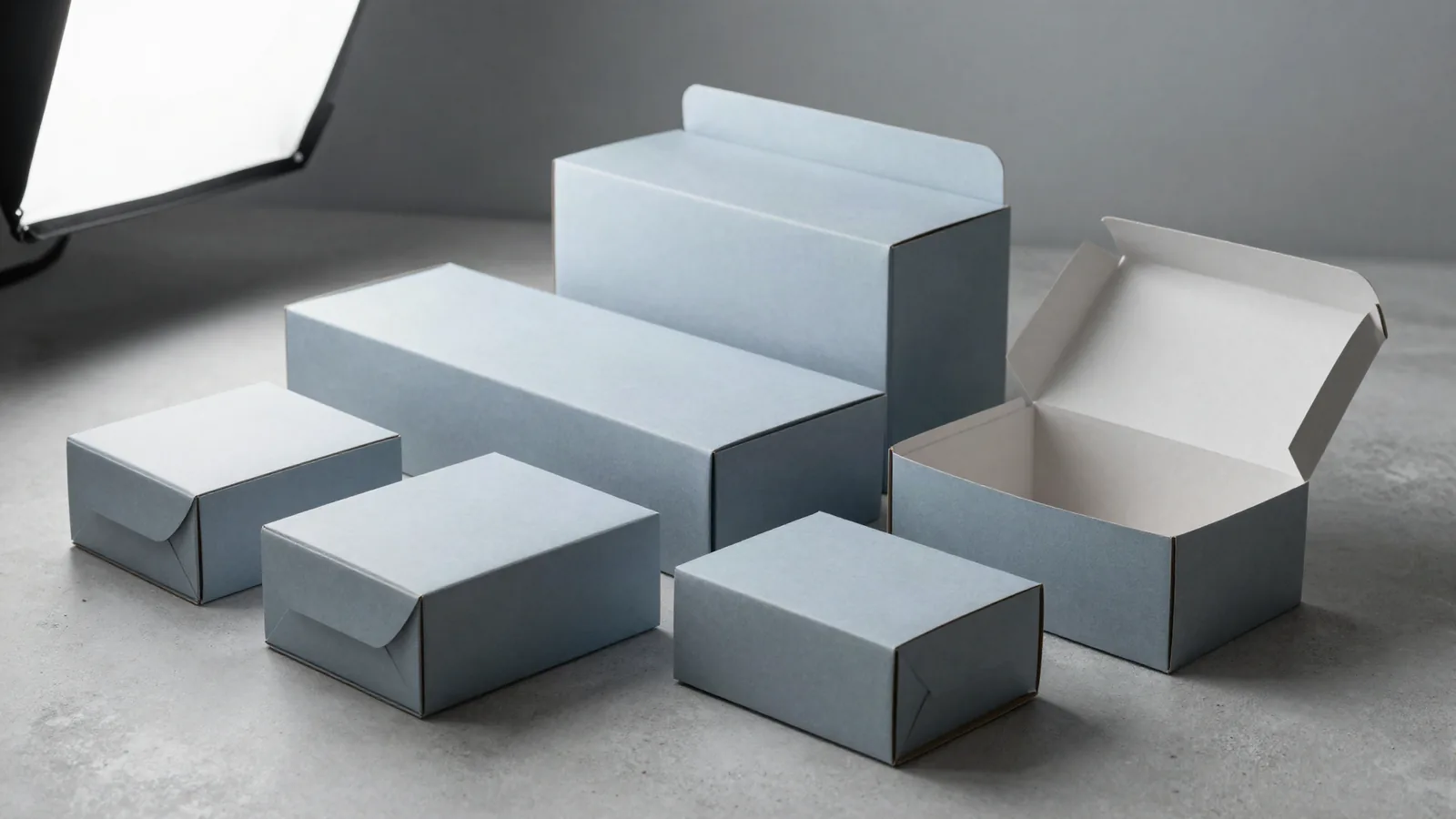




















































Drinks packaging starts with the container and the handoff. A single bottle gift box has a different job from a grouped beverage carrier, retail carton, or direct-shipment mailer. Record the bottle or can dimensions, cap or closure height, label direction, number of units, and whether the package will be carried, displayed, shipped, or used in more than one setting.
What type of drinks packaging fits the packout?
The right drinks packaging format follows the packed container count and the way the package will be handled. A bottle box can frame one bottle. A carrier can group units for handoff. A divided carton can separate containers. A private-label structure can repeat the same panel system across beverage variants.
| Beverage use | Structure direction | Specification focus |
|---|---|---|
| Single bottle or gift set | Printed bottle box | Body width, height, label orientation, and opening |
| Grouped drinks | Carrier or divided carton | Unit spacing, handle, carry path, and stacking |
| Private-label line | Box or bag family | Variant names, label zones, and shared artwork |
| Easy-access retail format | Perforated or die-cut package | Opening path, visibility, and panel strength |
A bottle box is a package built around one bottle or bottle-led set. Measure the widest body point, full height, cap or closure, label face, and any insert layer. For cans or pouches, record the grouped footprint and the space needed for a divider or sleeve. Those records give the quote a real packout to follow.
How should a bottle box or beverage carrier be built?
Start with the filled packout and decide where each container sits. The proof should show the label facing the intended direction, the handle clear of the product, and the opening path for the person packing or carrying it.
For a single bottle or gift set, wine box packaging is a relevant CPL reference for bottle-led presentation. Grouped beverages may need internal separation, a handle, or a die-cut access feature. A private-label line may need a repeatable artwork system across flavors. These are structure directions, not a universal bottle size.
Which materials and finishes work for beverage packaging?
Kraft can support a natural paper appearance. Cardboard or paperboard can suit a printed retail carton. Corrugated board can be discussed when shipping or carrier handling leads the brief. The stock should follow the container weight, grouped packout, handling path, and whether the package is presentation packaging or an outer layer.
Finish directions can include matte, gloss, soft-touch, metallic effects, foil, embossing, debossing, aqueous coating, spot UV, and holographic foiling. Matte reduces surface shine. Gloss increases surface shine. Spot UV creates a localized glossy area over selected artwork. Foil adds a reflective accent. Keep the beverage name, variant, and handling information readable. If the package may touch food or beverage contents, ask us about food-contact options for your product.
Can a beverage carrier include labels, inserts, or perforation?
A beverage carrier can include labels, inserts, compartments, die cuts, or perforated access features when the structure supports them. A label can carry the main brand surface. An insert or divider can separate grouped units. Perforation can create a controlled opening or display transition.
Check each feature on the assembled carrier. A perforation should not run through the label, weaken the handle, or leave the product unsupported. For related catalog references, see perforated packaging for controlled access and private-label packaging for a branded product family.
What should a beverage brand send before proof approval?
Send the container dimensions, grouped footprint, unit count, label direction, handle preference, divider or insert need, opening style, artwork status, quantity, and destination. If the package may touch food or beverage contents, include that use condition when asking about food-contact options.
We draw the dieline from the packed dimensions and send a digital proof before anything prints. Check the label zone, score positions, bleed, handle clearance, and the way the containers sit. Production is counted after proof approval, not from the first inquiry.
What are the ordering terms for drinks packaging?
The MOQ is 100 units. Pricing is from $0.49 per unit at volume, quoted to spec. Production is typically 8 to 10 business days after proof approval, plus delivery. Free US shipping and free design support are available. The $19.99 sample kit can help compare board and finishes before artwork approval. For larger quantity planning, see wholesale custom packaging.
Frequently Asked Questions
What is the right box for a single beverage bottle?
A printed bottle box is a useful direction for a single beverage bottle when the package needs individual presentation. Measure the widest body point, full height, cap or closure, label orientation, and any insert layer. The final structure should be built around the assembled bottle, not an assumed universal bottle size.
Can Custom Packaging Lane make drinks packaging for grouped units?
Custom Packaging Lane can discuss grouped drinks packaging as a carrier or divided carton. Share the number of units, combined footprint, container weight, carrying method, stacking path, and whether the package is for retail, handoff, or shipment. Inserts, handles, labels, and perforated access can then be checked as part of the structure.
What is the MOQ for custom beverage packaging?
The MOQ for custom beverage packaging is 100 units. Pricing is from $0.49 per unit at volume, quoted to spec. Production is typically 8 to 10 business days after proof approval, plus delivery. Free design support and free US shipping are available, and the sample kit is $19.99.
Which finishes work for a beverage box?
Matte, gloss, soft-touch, metallic effects, foil, embossing, debossing, aqueous coating, spot UV, and holographic foiling are finish directions for a beverage box. Matte reduces shine, gloss increases shine, spot UV adds a localized glossy area, and foil adds a reflective accent. Confirm the selected finish in the proof.
How long does drinks packaging production take?
Drinks packaging production is typically 8 to 10 business days after proof approval, plus delivery. Send container measurements, grouped packout details, label copy, variant artwork, carrier fit, and finish direction before approval. Include delivery in the launch or restock schedule because the production period does not include delivery.












