























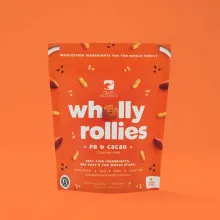



































What is custom food packaging?
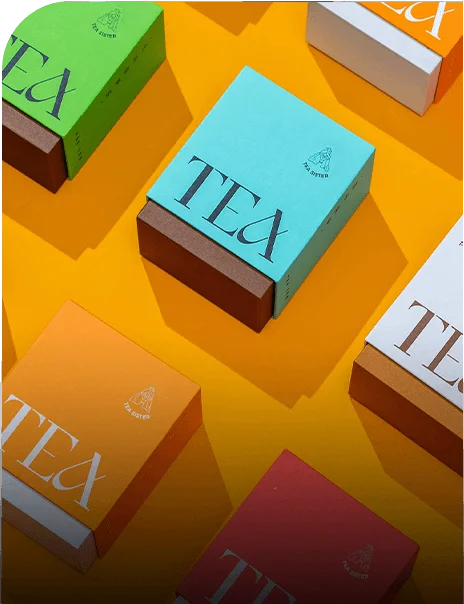
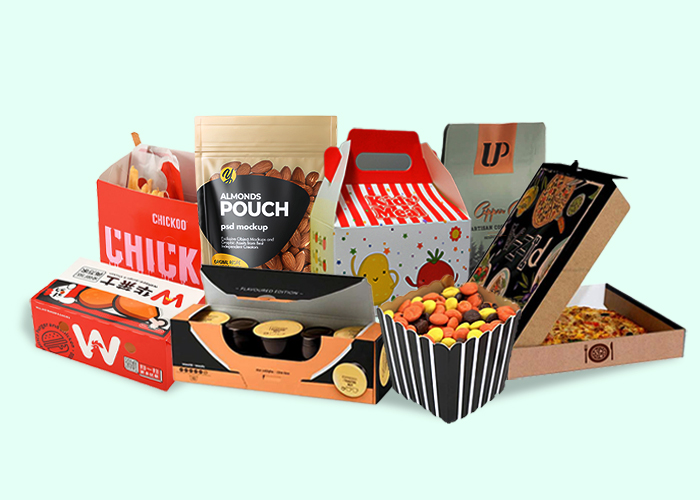
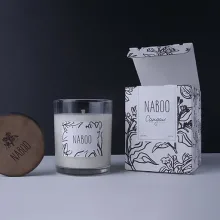
Custom food packaging is a box, carton, sleeve, or other package sized and printed around a specific product and handoff. Start with the product shape, packed condition, display setting, storage, and opening. A dieline is the flat cutting template used to print, cut, score, and fold the package.
Searches for custom food packaging boxes, personalized food packaging, and customized food packaging usually point to the same first decision: what must the package do between packing and handoff? A retail carton, a shipping box, a gift box, and a beverage package do not have the same job, even when they use similar artwork.
Which food packaging format fits my product?
The right food packaging format starts with product shape and handling, then moves to display and opening. Use the table to frame the first brief instead of selecting a box from a product name alone.
| Product situation | Format direction | Question for the brief |
|---|---|---|
| Dry goods and shelf-ready products | Printed paperboard carton | What are the product dimensions, opening, and display position? |
| Frozen products | Custom carton or structured box | How will the package be handled, stacked, labeled, and presented? |
| Bakery and seasonal treats | Food box or windowed presentation box | Should the product be visible, giftable, or easy to hand off? |
| Bottled beverages | Bottle box or insert-ready carton | What orientation, closure, and carrier handling matter? |
A product that sits on a retail shelf may need a different opening from a product packed into a shipping carton. A bottle package also has to keep orientation and insert position clear. Put those facts in the brief before the proof is drawn.
Which materials and finishes should I compare?
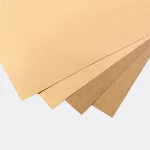
Paperboard is a single sheet that folds into cartons and sleeves. Corrugated board has a fluted middle layer between liners, so it adds structure for outer shipping roles. A rigid box is built from chipboard wrapped in printed paper, so it holds its shape instead of folding flat after assembly. Kraft-style paper changes the visual base, while white board gives printed colors a cleaner field.
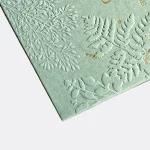
Finish should follow the package job. Matte lamination cuts glare compared with gloss lamination. Gloss lamination makes the surface reflective. Spot UV adds a hard, glossy area to selected artwork, and foil stamping adds a pressed accent. If the package needs a window, insert, or special opening, put that structural question ahead of the finish.
How should I plan custom frozen food packaging?
Custom frozen food packaging needs a brief about condensation, stacking, visibility, labeling, and the route from storage to handoff. The package may be cold, handled repeatedly, or placed under other packs, so describe the actual routine rather than choosing a structure from the product name.
If the package may touch food, ask us about food-contact options before approving the proof. State what touches the package, where contact occurs, and how the customer receives the product. Do not infer the answer from a paper appearance, a frozen-food label, or a general product category.
Which food and beverage packaging products can I compare?
Use the product pages to start a format discussion, then bring the real product dimensions to the quote. Seed packaging can frame a compact package with product information. Thanksgiving food boxes can frame a seasonal food presentation. Wine box packaging can frame a bottle package with a clear handoff and display role.
These references do not replace the project brief. Tell us whether the package is for retail display, direct shipment, gifting, or another handoff. Include the packed product, artwork status, and any insert or visibility requirement.
What is the MOQ and price for custom food packaging?
The MOQ for custom food packaging is 100 units. Pricing is from $0.49 per unit at volume, quoted to spec. The quote should match the format, product, artwork, quantity, shipping destination, and handling needs. Free US shipping is available, and free design support can help organize the package brief.
If you need a physical reference before approval, the $19.99 sample kit gives you a place to check scale, opening, product position, and surface direction. Use the actual product when possible.
What should I include in a food packaging brief?
Send the product type, shape, packed dimensions, handoff, artwork, quantity, and destination. Add the details that change the structure or finish.
- Retail display, direct shipment, gifting, or another handoff.
- Product orientation, opening, insert, window, or visibility requirement.
- Storage, stacking, condensation, and carrier-handling conditions.
- Logo, copy, artwork files, color direction, and finish preference.
- Any food-contact question or child-resistant feature requirement.
Child-resistant packaging is a feature we can build when the intended use calls for it. Keep that use case in the brief alongside the product details, not as an assumption based on the category.
How do proof approval and delivery work?
Production is typically 8 to 10 business days after proof approval, plus delivery. The clock starts after the product format, dieline, artwork, finish, quantity, and digital proof are approved. Free design support can help draw the dieline, and the digital proof gives the buyer a place to catch copy, score, bleed, or placement problems before printing.
When the format is still open, open custom packaging solutions. Ask us about food-contact options before the proof is approved, then keep the quantity and delivery details in the same project thread. Request a project-specific quote when the brief is ready.
Frequently Asked Questions
What is the MOQ for custom food packaging?
The MOQ for custom food packaging is 100 units. Include the product type, dimensions, format direction, artwork status, destination, and intended handoff in the request. Those details connect the quantity to a real food or beverage package instead of a generic box.
How much does custom food packaging cost?
Pricing for custom food packaging is from $0.49 per unit at volume, quoted to spec. It is a starting reference, not a flat price for every food package. Request project-specific terms based on the format, product, artwork, quantity, destination, and handling needs.
How long does custom food packaging take?
Production for custom food packaging is typically 8 to 10 business days after proof approval, plus delivery. Artwork preparation, format decisions, and internal signoff happen before that window. Share the desired arrival timing early so delivery is included in the planning discussion.
Can CPL help with custom food packaging design?
Custom Packaging Lane provides free design support for custom food packaging. Send the product details, logo, artwork, dimensions, and preferred format so the dieline and digital proof reflect the actual package. The proof is the place to check copy, scores, bleed, and placement before printing.
Can you discuss packaging that touches food?
If custom food packaging may touch food, ask us about food-contact options before approving the proof. Describe the product, material question, contact point, and intended use. A general paperboard or food-product description does not answer the food-contact question, so include it in the project brief.