





















































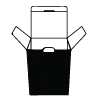

A garment box is packaging sized around folded apparel, an accessory, or a packed clothing set. A dieline is the flat cutting template used to print and cut a folding carton. Measure the product in the condition it will enter the box, including tissue, wrap, tags, and inserts. CPL's apparel records distinguish flat-pack and rigid formats, so the quote can start with the real pack-out.
How should garment box dimensions be measured?
Garment box dimensions should start with the folded product, then separate the interior cavity from the outside dimensions. Record the finished length, width, and height, plus anything that changes the fold or presentation.
| Record | Write down | What it controls |
|---|---|---|
| Folded garment | Length, width, height, wrap, tags, and orientation | Usable cavity and pack-out order |
| Flat-pack carton | Panels, scores, tabs, and closure | Storage volume and assembly |
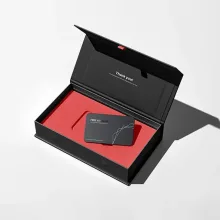
| Rigid box | Assembled cavity, lid or drawer, and support | Opening path and interior fit |
| Accessory pack-out | Wallet, card, belt, tissue, or insert space | Room for the complete set |
| Exterior face | Logo position, window, copy, and finish | Retail or unboxing focus |
Tell CPL whether the measurements describe a flat dieline, folded carton, or assembled rigid box. That distinction prevents an outside measurement from being mistaken for the usable space.
Are flat-pack or rigid garment boxes better?
Flat-pack garment boxes suit flat storage and repeat assembly, while rigid garment boxes suit an assembled presentation and a different opening path.
A folding carton can leave broad printable panels for size, color, collection, or care information supplied by the brand. A rigid box uses chipboard wrapped in printed paper, so it holds its shape without a fold. Lid-and-base, drawer, and sleeve structures each change how the garment is lifted from the package.
How do fold style and board choice affect apparel handling?
A score is a pressed line that tells the board where to fold. Tuck panels, locking tabs, sleeves, and drawer parts change assembly work and the space used in storage. A glue tab needs room to bond, while type placed over a score can crack or become hard to read after folding.
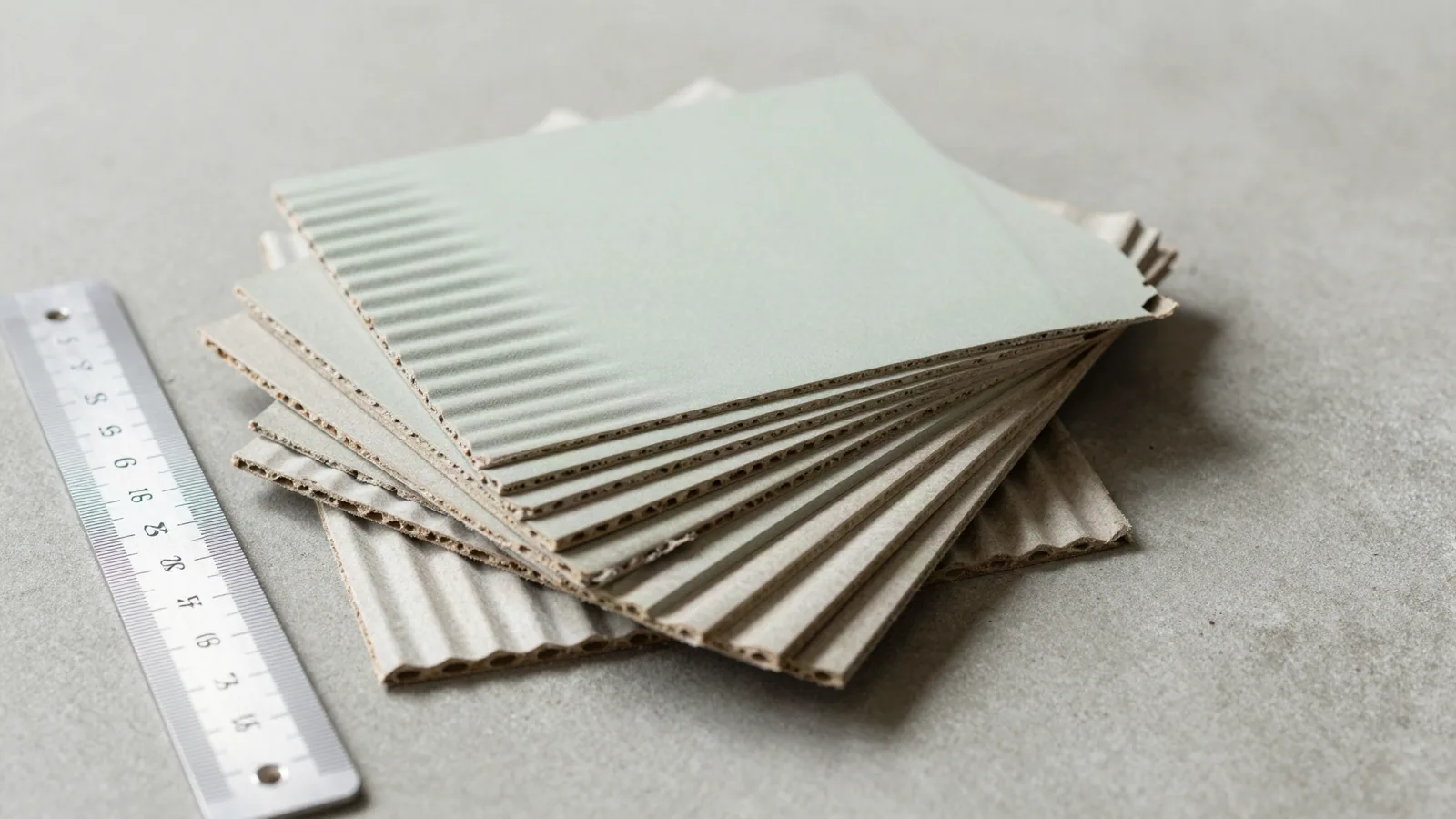
Board grade describes the stock specification, and caliper describes its thickness. Paperboard, corrugated board, and rigid board do different jobs. Match the material to the fold style, garment weight, storage method, and shipping route instead of guessing from a screen image.
Which catalog formats can apparel brands compare?
Window boxes are useful when the fabric, color, or folded product should remain visible. Window display boxes provide another reference for cutouts, printed faces, and display orientation.
For a compact accessory, compare wallet boxes. A gift or event-oriented accessory can also be compared with wedding card boxes for panel planning and opening behavior. These pages are structural references, not universal garment sizes.
What should the garment box proof show?
The garment box proof should show the packed garment inside the assembled box, not only a flat artwork file. Check the front face, closure, insert position, product orientation, and readable copy.
Look for low-resolution art, RGB color shifts after press conversion, type too close to a score, and missing bleed. Review the folded garment with tissue, tags, cards, or stickers in place. If the box will be assembled at a shipping station, show that loading path before approval.
What order terms apply to custom garment boxes?
CPL custom orders use a 100-unit MOQ. Pricing is from $0.49 per unit at volume, quoted to spec. Production is typically 8 to 10 business days after proof approval, plus delivery. Free US shipping and free design support are available.
The $19.99 sample kit helps compare board, print, and finishes before proof approval. For a wider format review, visit the wholesale custom packaging page after the garment pack-out and fold direction are defined. Send the folded dimensions with the artwork file.
Frequently Asked Questions
How should I measure a garment box?
Garment box dimensions should start with the folded apparel as it enters the package, including tissue, wrap, tags, and inserts. Record the interior cavity separately from the outside dimensions, then identify whether the numbers describe a flat dieline, folded carton, or assembled rigid box. That record keeps the quote tied to the correct pack-out.
Are flat-pack garment boxes better than rigid boxes?
Flat-pack garment boxes suit flat storage and repeat assembly, while rigid garment boxes suit an assembled presentation and a different opening path. The better choice depends on folded fit, interior support, storage method, shipping route, and pack-out work. Compare those points before approving the box style for an apparel line.
Can garment boxes include a window?
A garment box can include a window when showing the fabric, color, or folded product supports the presentation. Review the window location, printed margin, interior clearance, and handling path together. Window boxes and window display boxes provide structural references, but their dimensions should not transfer without a project-specific fit check.
What materials are available for garment packaging?
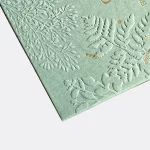
Garment packaging can use paperboard, cardboard, kraft, corrugated board, textured paper, white stock, or rigid board. Finish choices can include matte, gloss, soft touch, foil, spot UV, embossing, and debossing. The selected combination should follow the fold style, garment weight, storage method, and information that must remain readable.
How long does custom garment box production take?
Custom garment box production is typically 8 to 10 business days after proof approval, plus delivery. The window supports scheduling but does not guarantee arrival on a particular date. Custom orders use a 100-unit MOQ, with pricing from $0.49 per unit at volume, quoted to spec.