






















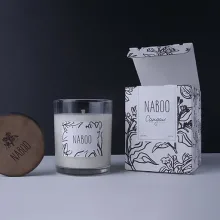
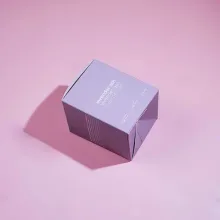
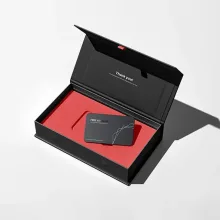
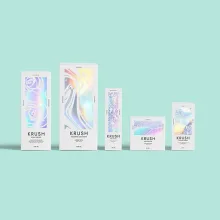
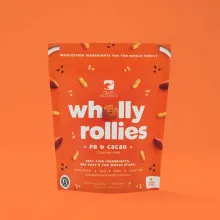
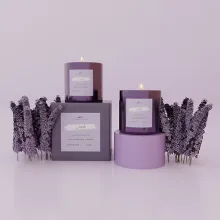
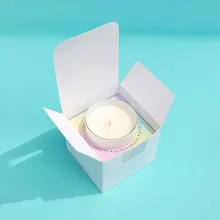
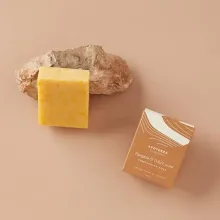



































Custom packaging cost is tied to the physical package and its production plan. A folding carton, rigid box, tin, corrugated shipper, and product-specific sleeve use different materials and converting steps. For a useful quote, state the format, finished dimensions, product fit, artwork, finish, quantity, and delivery destination in one brief.
How much does custom packaging cost?
Pricing is from $0.49 per unit at volume, quoted to spec, with a 100-unit MOQ. That is a planning reference, not a flat rate for every box, carton, tin, or specialty format. Production is typically 8 to 10 business days after proof approval, plus delivery. Free US shipping and free design support are available. The final quote follows the approved structure and artwork.
What should a custom packaging quote spell out?
A custom packaging quote should spell out the structure, material, artwork, finish, product fit, quantity, and production terms.
| Quote checkpoint | What to specify | Why it changes the job |
|---|---|---|
| Structure | Folding carton, rigid box, tin, shipper, sleeve, or product-specific format | Each construction has different cutting, folding, wrapping, or forming work |
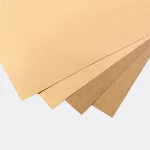
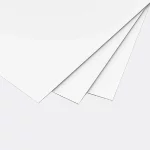
| Material | White board, kraft board, chipboard wrap, or corrugated board | Board thickness, surface, and stiffness affect the package plan |
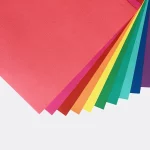
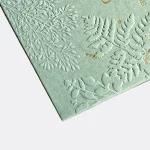
| Artwork and finish | Print panels, ink coverage, matte or gloss, spot UV, or foil | Surface treatment changes the proof and finishing steps |
| Pack-out | Product dimensions, loading method, insert, scores, glue tabs, and closure | Fit and opening behavior depend on the dieline |
| Quantity and timing | 100 units, target volume, proof approval, and delivery | Pricing is from $0.49 per unit at volume, quoted to spec |
How does the package structure change the job?
Structure determines the dieline and the physical work. A dieline is the flat cutting template that places panels, scores, folds, glue tabs, and bleed. A folding carton is cut, scored, folded, and glued. A rigid box is built from chipboard wrapped in printed paper, so it holds shape without a fold.
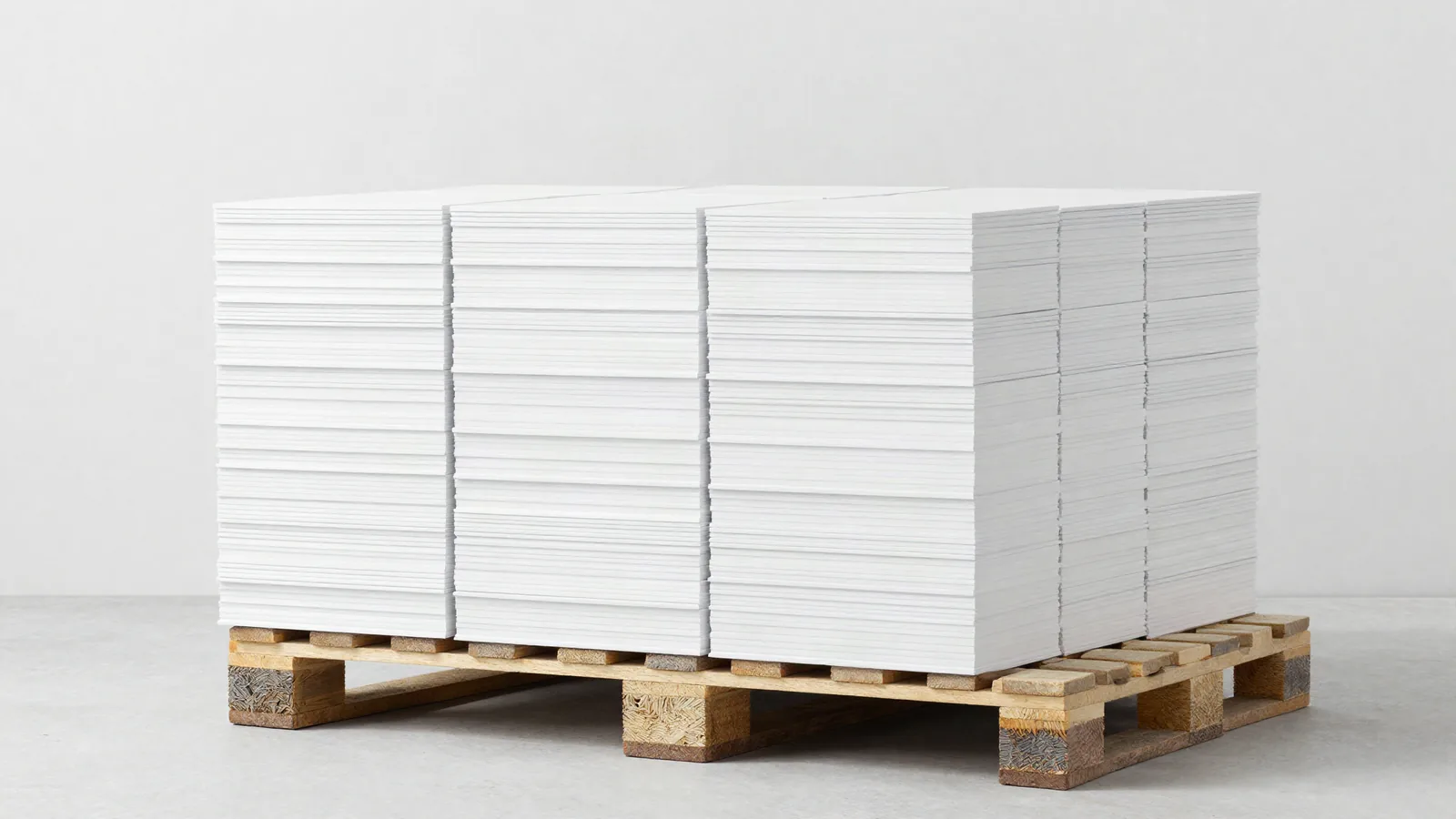
Corrugated board has a wavy flute between liner sheets. Flute grades differ in thickness and stacking strength. E-flute is thinner and takes finer detail than B-flute, while B-flute gives more cushioning and stacking strength. For corrugated work, board grade and flute choice should follow the product fit, shipping load, and print detail. Those choices change the material plan before artwork is placed.
Which material and finish choices affect the quote?
Material choice sets the package surface and stiffness before the artwork is printed. White board gives a clean base for color. Kraft board keeps a natural brown surface that can mute light inks. A caliper is the thickness of paperboard, and board caliper affects how a score folds and how the finished package feels.
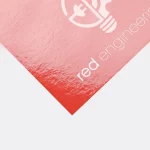
Lamination is a film layer applied over printed board. Matte reduces sheen and gloss increases it. Spot UV is a clear cured coating placed on selected artwork. Foil adds a separate metallic layer. List each treatment in the brief instead of assuming it belongs in the starting price. Low-resolution art can blur, RGB artwork can shift when converted for press, type too close to a score can bend across the fold, and missing bleed can leave an unprinted edge after trimming.
Which CPL product pages can help define the format?
Use custom tin packaging when a metal body and lid belong in the brief. Compare custom taper candle packaging when the product shape sets the pack-out. Review custom stevia packaging for a small product-specific carton direction. Custom screw packaging and custom greeting card packaging can help you describe the item, opening, and loading method before a quote is requested.
When should you use a sample and approve the proof?
Use a physical sample while you are choosing the structure, then approve the digital proof after the dimensions and artwork are correct. A screen does not show every surface or opening detail the same way, and the proof is where the final dieline, copy placement, finish, and pack-out are checked.
CPL provides free design support, draws the dieline from the product dimensions, and sends a digital proof before anything prints. An insert with the wrong pocket size lets the product move. Type crossing a score can become hard to read after folding. The $19.99 sample kit gives you a physical reference before approval.
What terms should you use to plan the order?
CPL uses a 100-unit MOQ. Pricing is from $0.49 per unit at volume, quoted to spec. Production is typically 8 to 10 business days after proof approval, plus delivery. Free US shipping and free design support are available. Start the quote through custom packaging solutions with the product dimensions, structure, artwork, finish, quantity, and delivery destination.
Frequently Asked Questions
How much does custom packaging cost per unit?
Custom packaging pricing is from $0.49 per unit at volume, quoted to spec. The final unit amount depends on the structure, material, finished dimensions, artwork, finish, quantity, and delivery assumptions. A folding carton, rigid box, tin, and corrugated shipper use different production steps, so the quote must identify the actual package.
What is the minimum order for custom packaging?
The minimum order for custom packaging is 100 units. The quantity is only one part of the quote, because the selected structure, material, artwork, finish, and product fit still determine the work. Send the target volume with the package brief so the per-unit pricing is tied to the defined specification.
How do materials and finishes affect custom packaging cost?
Material and finish choices change the package surface, stiffness, print file, and finishing work. White board gives a clean base for color, kraft board keeps a natural brown surface, matte lamination reduces sheen, gloss increases it, and spot UV or foil adds a separate treatment. List each choice before the digital proof.
Does CPL provide design support for custom packaging?
Custom Packaging Lane provides free design support for custom packaging. Send product dimensions, loading method, structure, artwork files, and finish direction. CPL can draw the dieline and send a digital proof before anything prints. The proof is where scores, glue tabs, copy placement, bleed, inserts, and the opening are checked.
How long does custom packaging production take?
Custom packaging production is typically 8 to 10 business days after proof approval, plus delivery. The window starts after the structure and artwork receive approval. Confirm the quantity, finish, and destination in the quote before planning a launch or replenishment date, because a changed specification creates a different production plan.