





































What should custom jewelry packaging do?
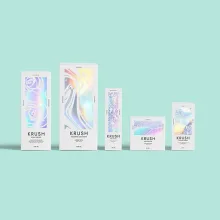
Custom jewelry packaging should frame the jewelry clearly, protect its position during the handoff, and give related products a consistent package system. Custom jewelry packaging is the box, display, sleeve, insert, or shipping format built around a jewelry product and its selling context.
Buyers searching for custom jewelry packaging boxes or custom jewelry box packaging often start with outside artwork. The structure, opening sequence, product orientation, and interior organization matter just as much. Define whether the package is for a single item, a collection, a gift, a display, or an ecommerce shipment before choosing the format.
The custom packaging solutions hub covers broader package planning. This page stays focused on jewelry formats, materials, display needs, and the order path.
Which custom jewelry packaging box fits the selling context?
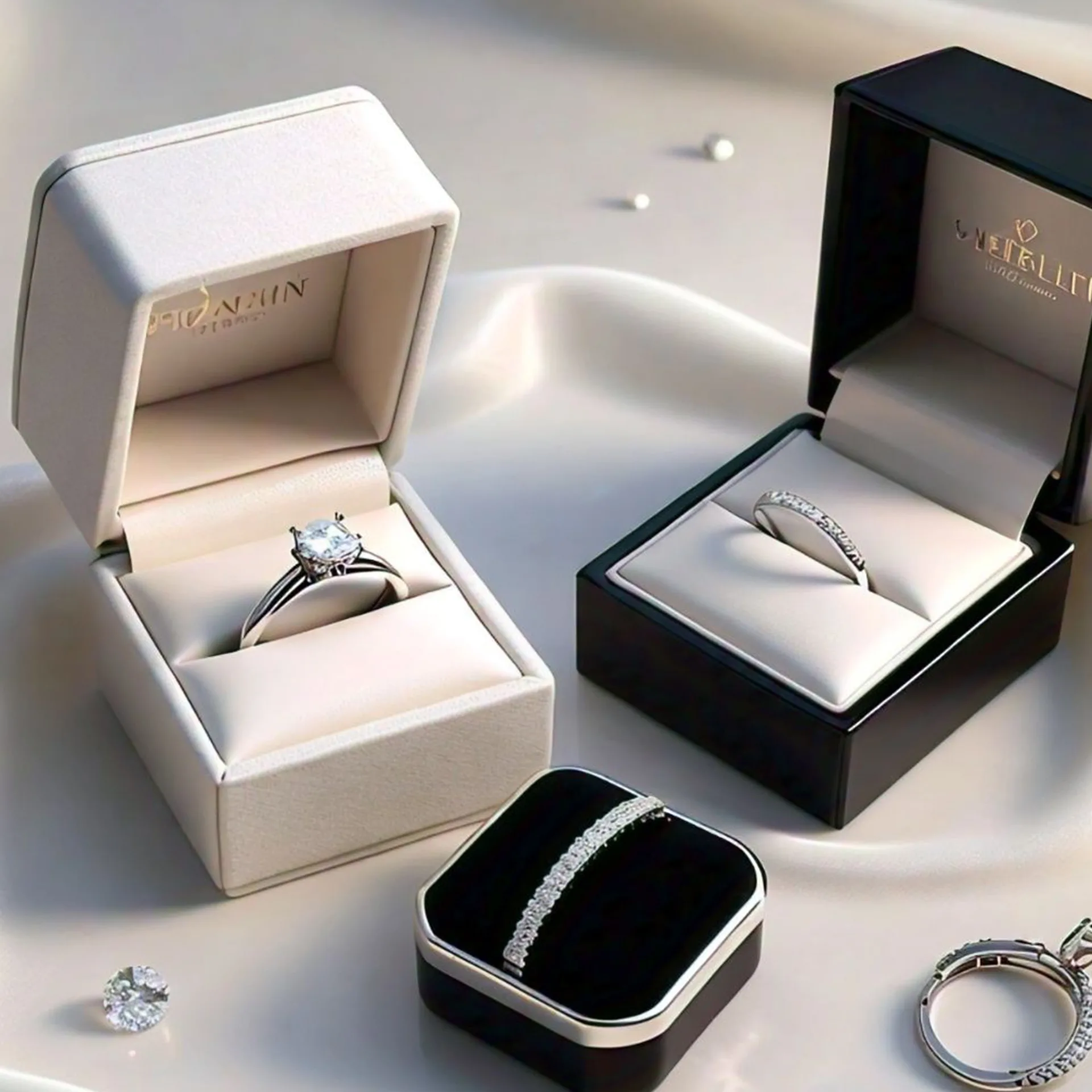
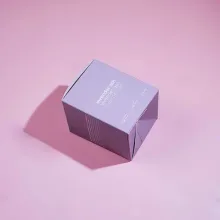
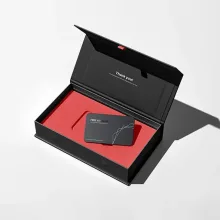
The right custom jewelry packaging box depends on the product role and the place where the package is opened. A single-item box can keep one piece in focus. A collection box can group a necklace, earrings, bracelet, or coordinated set. A display-led package can give a retail buyer a clear first view. A sleeve and base can separate an outer brand layer from a simpler inner structure.
| Packaging direction | Useful when | Primary decision |
|---|---|---|
| Single-item box | One piece and focused gifting | How should the product be framed? |
| Collection box | Sets and coordinated launches | How should several pieces read together? |
| Display-led package | Retail presentation or wholesale use | What should the buyer see first? |
| Sleeve and base | Layered branding with a simple structure | Where should the brand reveal happen? |
Review the folded package, not only the flat artwork. Check the lid, scores, glue tabs, insert clearance, and the position of the product when the package is opened.
How should eco friendly jewelry packaging be evaluated?
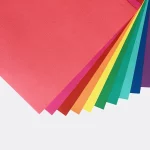
Eco friendly jewelry packaging should be evaluated by material, print coverage, finish, product protection, and what the package is expected to do after purchase. A kraft appearance alone does not explain the material construction. Ask about the available material options, then compare how each one prints, folds, closes, and fits the brand message.
Sustainable jewelry packaging also needs an honest artwork plan. Heavy ink coverage, foil, laminate, and special surface treatments change the package direction. A restrained print plan may suit one collection, while a more decorated surface may suit another. The useful decision is the one the buyer can describe accurately when the package is shown to a customer.
What do wholesale jewelry displays and packaging need?
Wholesale jewelry displays and packaging need clear grouping, product identification, display orientation, storage logic, and a replenishment plan. Explain how a retail or wholesale partner will receive and present the pieces. A display-led package may need stronger collection naming than a single gift box, while a shipping package may need a different opening sequence.
- Piece dimensions and product orientation
- Single item, set, gift, display, or shipping role
- Collection hierarchy and variant language
- Material, print coverage, and finish direction
- Artwork status and presentation references
Bring the selling context into the brief. The package is reviewed as part of the sales setting, not only as a standalone object.
How do paperboard, kraft, and rigid boxes differ?
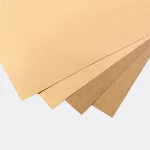
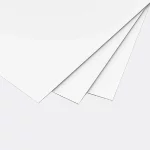
Paperboard folds from a flat sheet and gives printed panels a clean surface. Kraft paperboard has a natural brown base that changes how ink and contrast read. A rigid box is built from chipboard wrapped in printed paper, so it holds its shape without a fold. The choice affects the outside feel, interior space, closing action, and artwork.
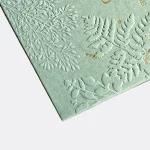
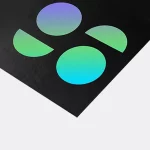
Finish changes the working surface too. Matte laminate cuts reflected glare. Gloss laminate increases shine but can show handling marks. Aqueous coating is water based, dries quickly, and takes ink and glue well on flaps. UV coating cures hard and glossy and resists scuffing better than aqueous, but it can crack along score and fold lines and is harder to write on. Foil adds reflective detail, while embossing changes the surface relief.
What should a custom jewelry box packaging brief include?
A custom jewelry box packaging brief should include the jewelry dimensions, product orientation, collection structure, selling context, artwork status, material direction, finish preferences, quantity, and delivery details. Explain whether the package is for one piece, a set, gifting, wholesale display, or ecommerce shipment.
Free design support is available to organize those choices and draw the dieline. A digital proof comes before anything prints. Review the bleed, type near scores, image resolution, color mode, insert clearance, and opening sequence. RGB artwork can shift when converted for press, and missing bleed can leave a white edge after cutting.
What are the MOQ, price, and production terms?
The MOQ for custom jewelry packaging is 100 units. Pricing is from $0.49 per unit at volume, quoted to spec. Free US shipping and free design support are available. The quote should reflect the approved structure, materials, artwork, quantity, and delivery details.
Production is typically 8 to 10 business days after proof approval, plus delivery. The production clock starts at proof approval, not at the first packaging conversation. A $19.99 sample kit can give the team a physical reference while the structure, material, and finish are being compared.
Where can you compare jewelry packaging references?
Compare related package roles through private-label packaging for collection planning, seed packaging for compact product presentation, shoe box packaging for structural ideas, and wine box packaging for gift-led presentation. These references are starting points for the package role, not substitutes for the jewelry dimensions and opening plan.
Bring the jewelry dimensions, collection plan, intended display setting, finish direction, and delivery destination to the quote discussion. The next step is a brief that describes the package as it will be opened, packed, stored, and replenished.
Frequently Asked Questions
What should custom jewelry packaging include?
Custom jewelry packaging should include the jewelry dimensions, product orientation, collection structure, selling context, artwork status, material direction, finish preferences, quantity, and delivery details. Explain whether the package is for a single item, set, gift, display, wholesale presentation, or ecommerce shipment before the dieline and proof are prepared.
How should I evaluate eco friendly jewelry packaging?
Evaluate eco friendly jewelry packaging by its material, print coverage, finish, product protection, and after-purchase role. A kraft appearance alone does not explain the package construction. Ask about available material options and review how each one prints, folds, closes, and fits the product before approving the proof.
What is the MOQ for custom jewelry packaging boxes?
The MOQ for custom jewelry packaging boxes is 100 units. The quantity can support a focused product, collection, gifting direction, or display test. Pricing is from $0.49 per unit at volume, quoted to spec, and the quote should reflect the approved structure, materials, artwork, quantity, and delivery details.
Can jewelry packaging support wholesale displays?
Jewelry packaging can support wholesale displays when the brief covers grouping, collection identification, display orientation, storage, and replenishment. Explain how a retail or wholesale partner will receive and present the pieces. A display-led package may need different structure and artwork hierarchy from a single gift box.
When should I request a sample kit for jewelry packaging?
Request the $19.99 sample kit before settling on a structure, material direction, or finish system. Use the physical reference while discussing jewelry dimensions, product orientation, and opening sequence. Free design support is also available, and production is typically 8 to 10 business days after proof approval, plus delivery.