


























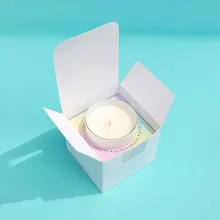




































Light bulb packaging starts with a product record, not a generic box size. A dieline is the flat cutting template used to print, cut, and fold the box. The record should show the bulb body's height and widest point, the base, the way the bulb sits, and the panels a shopper sees. That gives the box structure something real to follow.
What should a light bulb box fit?
A light bulb box should hold the bulb body and base in the intended position, with enough room for loading and removal. Measure the bulb at its widest point, record the full height, and include the base or cap in the same fit record. A product name alone is not a dimension. If the shape changes along the body, send a drawing or packed sample so the inside does not get sized from a guess.
Keep the packed position separate from the outside footprint. A bulb that stands upright on a shelf may lie in a shipper, and the box needs to survive both handoffs. The display face, opening side, and removal path belong in the brief before artwork starts.
| Packaging area | Record | Proof check |
|---|---|---|
| Bulb body | Height, widest point, and profile | Does the interior follow the product shape? |
| Base | Base diameter, height, and position | Can the box hold the base without binding? |
| Orientation | Upright, horizontal, or angled pack position | Does the loaded box face the intended direction? |
| Retail face | Front panel, product name, and variant copy | Is the main information visible when closed? |
| Opening | Closure, insert, and removal path | Can the bulb come out without awkward handling? |
This record avoids assigning a universal bulb size. The final interior comes from the actual product, not a category label.
How should a light bulb dieline handle the artwork?
A light bulb dieline should show the cut line, scores, glue tabs, bleed, and every printed panel. Bleed is extra artwork beyond the trim edge, so a small cut shift does not leave a white strip. Keep type, barcodes, and fine details away from scores and glue tabs. RGB artwork can shift when it is converted for press, so inspect the supplied file and the proof at the final panel size.
A digital proof is the file checked before printing. Review the assembled panels, not only the flat spread. The clock starts at proof approval, which is when production can move into the stated schedule.
What keeps a bulb from moving inside the package?
An insert or shaped interior should limit movement without pinching the bulb. A cavity cut to the exact product outline can slow packing and removal, while too much open space lets the product rattle. Give the insert its own thickness and position in the fit record.
Load the real bulb, close the box, turn it through the intended handling positions, and open it again. Check the base, top clearance, closure, and the point where fingers reach the product. The proof should show that loaded view. A flat dieline cannot answer that question on its own.
Which board and finish fit a light bulb box?
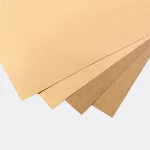
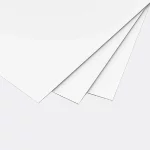
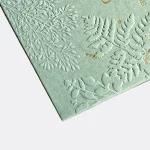
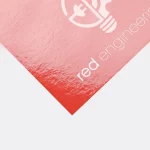
Board grade sets the box's stiffness, while finish changes glare, color, and handling marks. White board gives printed color a clean background; kraft board leaves a warmer paper tone. Matte lamination cuts glare on a shelf, while gloss lamination reflects more light and can show handling marks differently. Spot UV and foil belong on the panel plan, especially where a score or fold crosses the artwork.
Ask for the board and surface direction on the quote, then compare it on a folded sample. Free design support can connect the bulb dimensions, dieline, artwork panels, and chosen finish before the proof is approved.
Can one light bulb box support several variants?
One light bulb box structure can support several variants when the product footprint and packout stay the same. Keep the shared structure, logo placement, panel order, and finish in a master file. Mark the fields that change, such as product name, bulb type, color, or buyer supplied copy, then prepare a proof for each version.
Check each variant in the closed and open position. A score can cut through a line of type, and a window can hide a word after the panel folds. Approve the artwork against the assembled box, not just the file name.
Which CPL products can help frame a bulb package?
The direct CPL reference is custom light bulb boxes. Wine box packaging can help a buyer describe a tall, product led presentation, while private label packaging can help organize shared artwork across variants. These pages are references, not a substitute for the bulb record. The quoted structure still follows the actual profile, base, orientation, and display route.
What should a light bulb packaging quote include?
A light bulb packaging quote should include the bulb dimensions, packed position, quantity, artwork status, insert request, finish direction, and delivery destination. Custom projects use a 100-unit MOQ. Pricing is from $0.49 per unit at volume, quoted to spec.
Production is typically 8 to 10 business days after proof approval, plus delivery. Free US shipping and free design support are available. For the wider package workflow, see custom packaging solutions. Order the $19.99 sample kit if you want to compare board and finish before the bulb proof.
Frequently Asked Questions
What should I send for a light bulb packaging quote?
A light bulb packaging quote needs the bulb height, widest point, base, orientation, packed position, artwork status, and delivery route. A drawing or packed sample helps when the bulb shape changes along its body. Include any insert, window, closure, or finish request so the quote follows the box you actually plan to pack.
How do I stop a bulb from moving inside the box?
To stop a bulb from moving inside a box, give the insert enough contact to control the product without pinching it. Record the insert thickness and position, then check the loaded package closed and open. Too much empty space can let the bulb rattle; a cavity cut too tightly can slow packing and removal.
Can a light bulb box use a window?
A light bulb box can use a window when product visibility matters, but the window takes space from the printed panel and can change the box structure. Show the window on the proof with the bulb loaded. Check that the visible area, product identity, closure, and removal path still work together.
How should artwork account for folds on a bulb box?
Artwork for a bulb box should keep type, barcodes, and fine details away from scores, glue tabs, and trim edges. Bleed should extend beyond the cut line. Review RGB color after press conversion and inspect the assembled proof, because a flat dieline can hide a fold cutting through text.
Can a small run of light bulb boxes be quoted?
A small run of light bulb boxes can be quoted at a 100-unit MOQ. Pricing is from $0.49 per unit at volume, quoted to spec. Production is typically 8 to 10 business days after proof approval, plus delivery. Free US shipping and free design support are available.