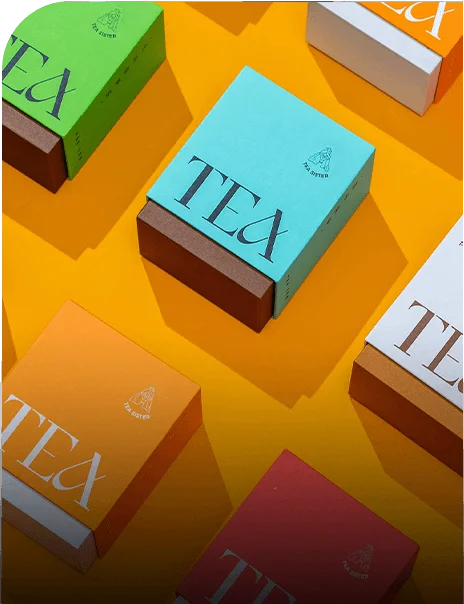




























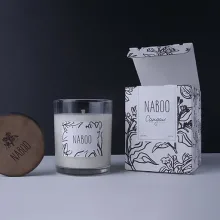
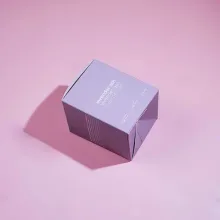
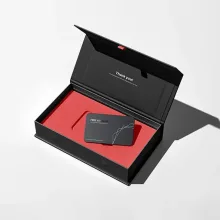
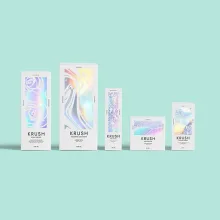
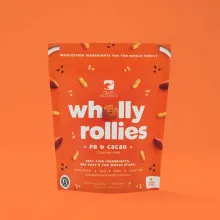
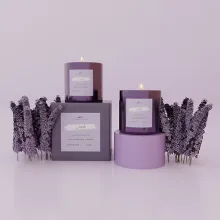
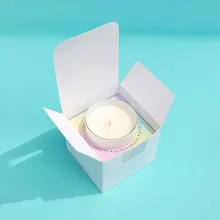





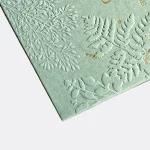
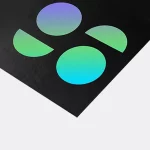
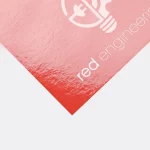






























Matte and gloss are surface directions for printed packaging. Matte coating diffuses light and creates less direct reflection. Gloss coating reflects more light and gives printed images, broad color fields, and dark panels a brighter surface response. The finish changes what the buyer sees and feels before the box is opened.
The same comparison explains searches such as glossy vs matte business cards, matte vs glossy business cards, and glossy business cards vs matte. Business cards are handled directly, while packaging also has folds, edges, seams, stacking, and a larger printed surface. Those details belong in the finish decision.
What is the difference between matte and gloss packaging?
Matte packaging gives a lower-reflection, quieter surface, while gloss packaging gives a brighter, more reflective surface. Matte can keep a layout visually controlled. Gloss can make a photograph, solid color, or selected image catch more light.
Neither finish decides the whole package. The substrate, ink coverage, lighting, product category, and viewing distance affect the result. A dark matte panel can still read strongly. A gloss panel can show fingerprints or glare at the wrong angle. The practical test is the printed surface in the setting where the package will be handled.
Which finish fits a printed box?
Choose matte when the box should reduce reflection and keep attention on the message, texture, or shape. Choose gloss when the printed surface should respond strongly to light or give images more shine.
For a box with small type, dark artwork, or a large flat color field, check the finish at the viewing angle used by the buyer. Keep type away from scores and folds because the surface treatment does not correct poor panel planning. A printed box needs the finish, artwork, and structure checked together.
How do matte and gloss compare on a box?
Matte and gloss differ most in reflection, color impression, touch, and the way surface marks appear during handling.
| Consideration | Matte direction | Gloss direction |
|---|---|---|
| Light response | Diffuses direct light | Reflects more direct light |
| Visual impression | Quiet and controlled | Bright and light-catching |
| Artwork effect | Subdues some surface intensity | Gives color fields and images more shine |
| Practical question | Should the surface recede behind the message? | Should the surface draw attention to the print? |
These are surface tendencies, not a promise that every printed project will look identical. Paper, ink coverage, coating method, folds, and lighting all matter. A physical sample or digital proof gives the buyer a better basis for the final choice than the finish name alone.
Are matte or glossy business cards easier to read?
Matte business cards usually create less glare, while glossy business cards reflect more light and can make images look brighter. Reading comfort depends on the room light, viewing angle, type size, and artwork contrast.
The same logic applies to packaging. If the box has small instructions, a barcode, or dense product information, place that content where reflection and folds will not interfere. If the box is image-led, gloss may make a selected photograph or color field more visible. The package still needs a proof at the intended size.
How does coating method change the choice?
Coating method changes how the finish behaves at folds, flaps, and glue areas. Aqueous coating is water-based, dries quickly, and generally accepts glue and ink well on flaps. UV coating cures hard and glossy and resists scuffing better than aqueous, but it can crack along score and fold lines and is harder to write on.
Matte and gloss do not always map to one coating process. Ask which surface treatment is planned for the substrate and where the package will bend. If a matte base needs a selective highlight, the proof should show the focal area, panel position, and fold behavior before anything prints.
Which packaging products use the matte versus gloss decision?
The finish decision applies to printed product formats where the surface is part of the presentation, including private label packs, shoe boxes, towel packaging, and wine box packaging.
Compare private label packaging when the printed surface carries product information. Check shoe box packaging when broad panels and handling marks matter. Assess towel packaging for a softer retail presentation, and wine box packaging when the finish needs to work with a structured gift format.
What should I send for a matte or gloss proof?
Send the product type, dimensions, box structure, artwork, brand references, quantity, and the surfaces that should feel quiet or catch light. State whether the product will be viewed under retail lighting, opened as a gift, or handled during shipping.
- Mark the panels that need matte or gloss treatment.
- Identify dark fields, photographs, fine type, and barcodes.
- Show scores, folds, seams, and glue areas on the dieline.
- Ask about food-contact options if the package may touch food.
- Request a digital proof before production.
What are the order and production details?
Custom Packaging Lane is a US-based packaging supplier with a 100-unit MOQ. Pricing is from $0.49 per unit at volume, quoted to spec. Free design support includes dieline preparation, and free US shipping is available.
Production is typically 8 to 10 business days after proof approval, plus delivery. A $19.99 sample kit can be credited toward the first order. For a broader structure discussion, visit custom packaging solutions. Choose the finish after checking the printed surface, fold areas, and artwork at the intended size.
Frequently Asked Questions
Which finish reduces glare on packaging?
Matte packaging usually reduces direct glare because the surface diffuses light. Gloss packaging reflects more light and can create brighter highlights. The final reading experience also depends on the artwork, lighting, type size, and viewing angle, so check the selected finish on a proof or physical sample before production.
Do matte and glossy business cards read differently?
Matte business cards usually create less glare, while glossy business cards reflect more light and make images or broad color fields look brighter. Readability still depends on type size, contrast, room light, and viewing angle. Packaging adds folds and seams, so those areas should be checked in the same finish decision.
Can a package use matte and gloss together?
A package can use a matte base with a selective gloss highlight when the artwork and panel layout support that contrast. The proof should show the exact highlight area, type placement, folds, and viewing angle. Share the artwork and desired focal panels during the design support step.
What is the MOQ for matte or gloss packaging?
The MOQ for matte or gloss packaging is 100 units. Pricing is from $0.49 per unit at volume, quoted to spec. Free design support can prepare the dieline and digital proof, and free US shipping is available. A $19.99 sample kit can be credited toward the first order.
When does production time start for finish work?
Production for matte or gloss packaging is typically 8 to 10 business days after proof approval, plus delivery. The proof confirms the surface direction, artwork, and structure before production starts. A $19.99 sample kit can help compare physical finishes before the final approval.