



























































Pen packaging has two jobs: keep the pen positioned and make the opening understandable. A single pen, a pen with refill, and a writing set do not need the same interior. Start with the product and the way the customer will receive it.
What box style fits a pen or pen set?
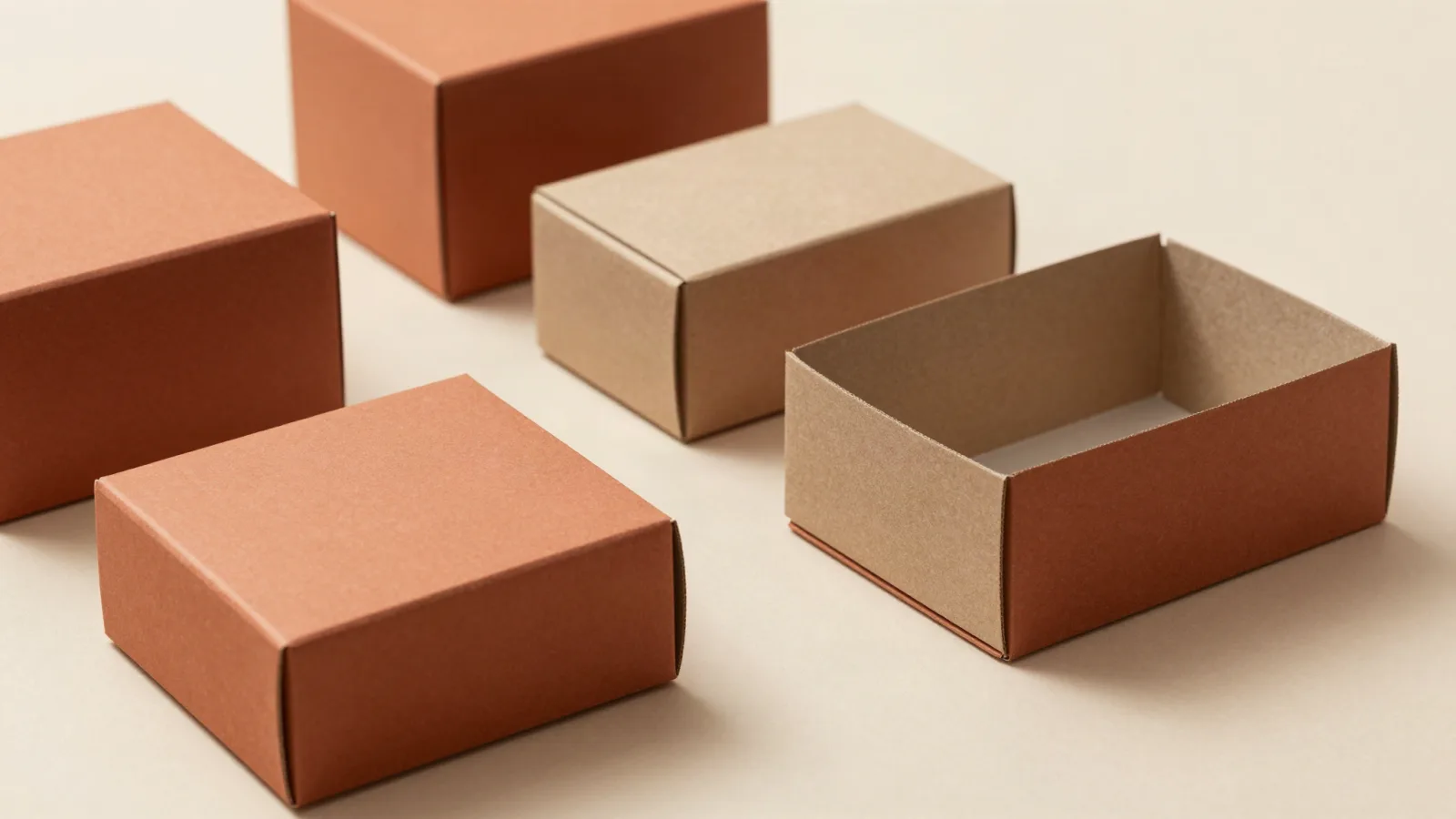
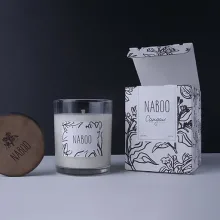
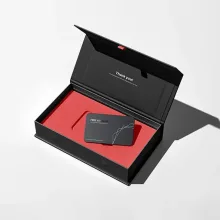
A rigid gift box fits a presentation where the box should hold its shape. A sleeve and tray separates the outer artwork from the product reveal. A printed folding box fits a direct retail or packing workflow. The right structure depends on the pen dimensions, accessories, opening motion, and storage plan.
| Box structure | When to consider it | Proof check |
|---|---|---|
| Rigid gift box | Gift presentation needs a firm box | Lid, surface, and interior fit |
| Sleeve and tray | Artwork and product reveal should be separate | Sleeve travel and tray position |
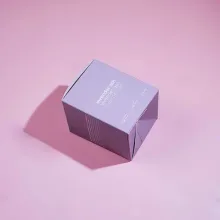
| Printed folding box | Retail packing needs a direct format | Folds, closure, and pack-out |
A rigid box can make the opening sequence deliberate. A sleeve can carry the main printed panel while the tray holds the pen. A folding box can be easier to load and store. Put the actual pen, cap, refill, case, or companion item into the proof discussion before the structure is approved.
How should the interior hold the pen?
An insert is an interior support that positions the product inside the box. The proof should show exactly where the pen sits when the lid opens. A shaped insert, tray, cavity, or support panel can define that position.
Measure the pen with its clip, cap, refill, and case if those items ship in the same box. Check clearance at the opening and around the product. A pen that moves during handling can arrive out of position, while an insert cut too tightly can make removal awkward.
Which finish works on a branded pen box?
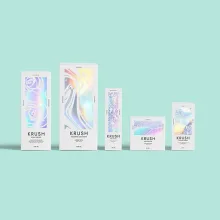
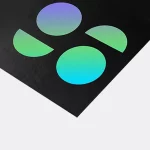
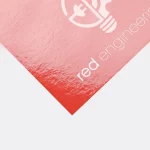
Matte lamination reduces reflected light across the printed surface. Gloss lamination increases reflection and can make large printed areas look brighter. Soft-touch lamination changes the feel of the surface. Foil stamping, embossing, debossing, and spot UV place attention on selected details.
Use the proof to assign the finish to a real area, such as a logo, border, or large color field. A foil mark needs clear artwork separation. Spot UV needs a defined spot layer. Type, scores, and closures still need to remain readable after the finish is chosen.
Which CPL products can I compare with pen packaging?
and are relevant catalog references for pen-shaped product layouts. Wine box packaging is useful when the presentation needs a rigid gift direction. Wax packaging gives another product-led reference for inserts, sleeves, and surface treatment.
These pages are reference points, not a claim that every format fits a pen or includes a particular insert or finish. For a broader starting point, use custom packaging solutions.
What does custom pen packaging cost and how long does it take?
Custom pen packaging uses a 100-unit MOQ. Pricing is from $0.49 per unit at volume, quoted to spec. Production is typically 8 to 10 business days after proof approval, plus delivery. The clock starts after proof approval, not when the first inquiry arrives.
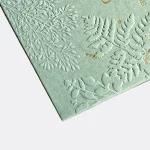
Free US shipping and free design support are available. A $19.99 sample kit gives you physical surfaces and finish directions to review before the final proof.
What should I include in a pen packaging brief?
Send the pen or set dimensions, product count, accessory list, preferred opening, artwork status, logo treatment, finish direction, and interior support requirement. State whether the package is for gifting, retail, events, or direct shipment.
- Show the pen and accessories in the requested interior.
- Mark the logo area and any foil, embossing, debossing, or spot UV layer.
- State whether the box will be stored, gifted, displayed, or packed for shipment.
- Review the assembled digital proof before approval.
Free design support can turn those details into a dieline and digital proof. Review the box opening, interior placement, printed panels, and finish areas before approval. Then request the quote against the finished specification.
Frequently Asked Questions
What is the best box style for pen packaging?
The best box style for pen packaging depends on the product and opening. A rigid gift box suits a firm presentation, a sleeve and tray separates artwork from the product reveal, and a printed folding box fits a direct retail workflow. Send the pen, accessories, and preferred opening so the structure can be reviewed against the actual pack-out.
Can custom pen packaging include an insert?
Custom pen packaging can include an insert, tray, cavity, or support panel when the pen needs a defined position. The interior should account for the pen, clip, cap, refill, case, or companion items. The proof should show product placement, clearance, and removal before the custom box is approved.
Which finish should I choose for a pen box?
A pen box can use matte or gloss lamination, soft-touch lamination, foil stamping, embossing, debossing, or spot UV. Matte reduces reflection, gloss increases it, and spot finishes focus attention on selected details. Choose the finish after the logo, type, large color fields, scores, and closures are shown in the proof.
Can I review pen packaging before ordering?
Custom Packaging Lane offers a $19.99 sample kit for reviewing physical packaging surfaces and finish directions before a final proof. Free design support is also available. The proof stage checks the box opening, interior placement, printed panels, and selected finish before production begins.
What do I need for a custom pen packaging quote?
For a custom pen packaging quote, send the pen or set dimensions, quantity, accessories, artwork, box structure, opening style, finish direction, and handling route. Custom Packaging Lane uses a 100-unit MOQ. Pricing is from $0.49 per unit at volume, quoted to spec, with production typically 8 to 10 business days after proof approval, plus delivery.