




























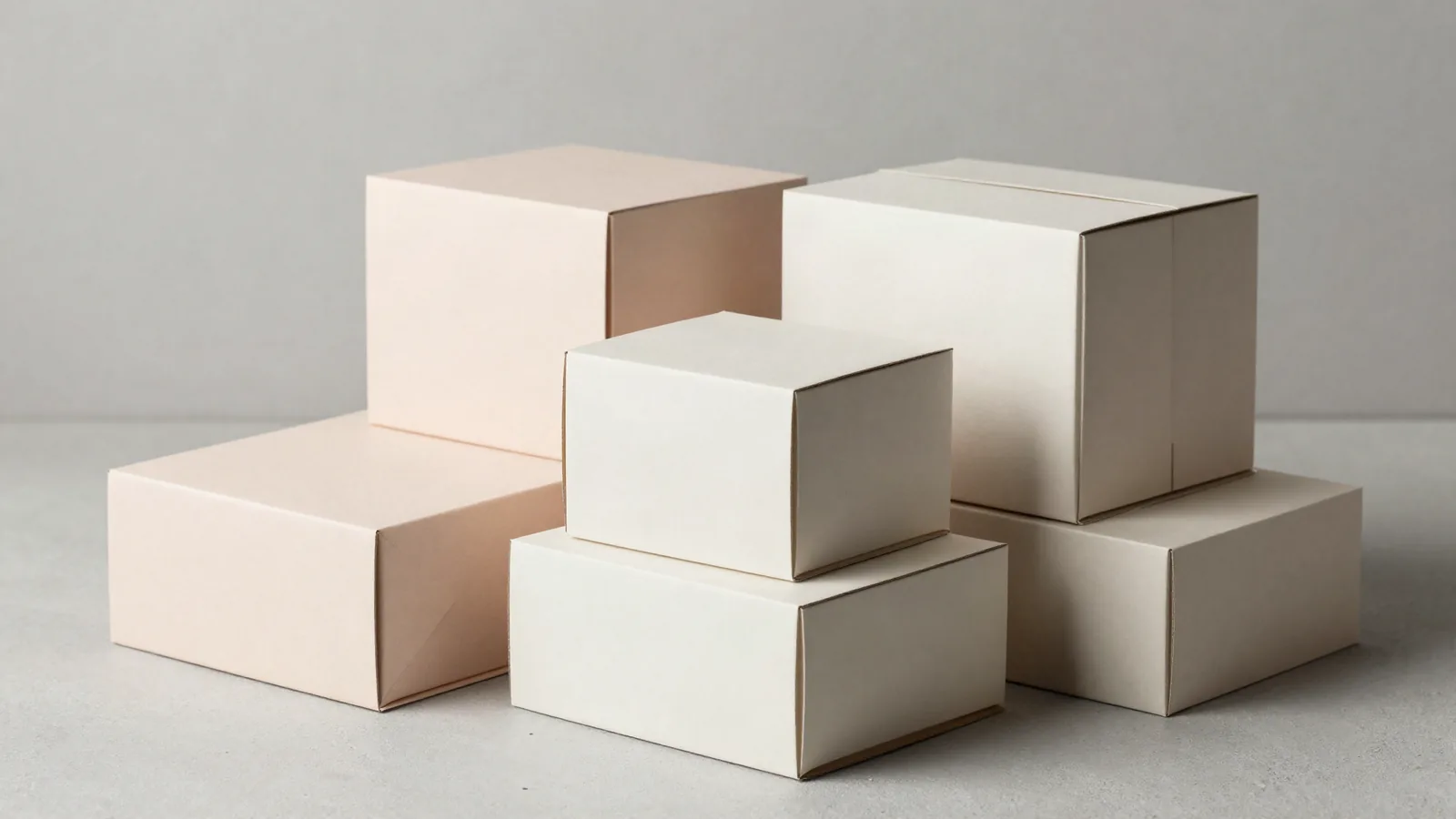




















































A personalized bread box is a branded outer package sized around a loaf and the way that loaf is packed. A custom bread box may be a bakery carton, a gift presentation package, or a branded box around an inner bread wrap. A box of bread still needs a defined opening, fit, and panel order. Start with the loaf shape, the inner bag or wrap, the closure, and the brand areas that must remain visible when the package is closed.
What should a custom bread box be sized around?
The inner length, width, and depth must clear the wrapped loaf, not only the bare loaf. Provide the loaf length, width, height, shape, orientation, and any variation the package must accommodate. Include the inner bag, liner, card, or insert in the fit review. Box dimensions are conventionally written as length x width x depth, using inside measurements. About 1/16 in, or 1.5 mm, is a common planning tolerance, but the actual product should decide the final clearance. Check the loaf after packing, not only on its own.
Which structure works for a personalized bread box?
Packing speed and opening direction decide whether the package should tuck, lock, sleeve, or separate into a lid and base.
| Structure | Common packaging use | Best planning question |
|---|---|---|
| Straight tuck end | Folding carton with a direct top closure | Does the loaf enter from one end without obstruction? |
| Reverse tuck end | Folding carton with an alternate closure direction | Which panel should carry the main brand message? |
| Auto-lock bottom | Carton with a formed base during packing | Will the team need quick setup at the packing station? |
| Two-piece rigid | Separate base and lid for a gift presentation | Should the opening reveal feel more substantial? |
A folding carton can suit direct bakery presentation. A sleeve can add an outer printed layer around another package. A rigid format can create a separate lid and base. A tin changes the container entirely, so list it as a separate direction in the brief.
Which board materials are common for bakery presentation?
SBS, C1S, or C2S paperboard in the 12 to 24 pt range is a common folding-carton reference. Kraft board in the 18 to 24 pt range creates a different surface and stiffness direction. Rigid chipboard in the 1.5 to 3 mm range, wrapped in 100 to 157 gsm art paper, is a common construction reference for a separate lid and base. Material choice follows the loaf, closure, handling, storage, and artwork treatment. These are general packaging standards, not CPL order data.
Should the box touch bread directly?
An inner bag changes the outer box specification. State whether the bread stays inside a bag or wrap, whether a liner is needed, and which surface the product may touch. If the package touches a consumable product, ask us about food-contact options for your product. Do not leave contact surfaces implicit. That detail keeps the branding request separate from the material question, especially when the box is used for pickup or gifting.
How can personalization stay readable on the box?
Artwork reads cleanly when the bakery name, mark, loaf description, color system, and short message sit on visible panels away from scores. Offset CMYK is a common choice for detailed paperboard artwork, while digital printing can support short-run artwork checks. Matte or gloss lamination changes sheen. Soft-touch changes the tactile feel. Spot UV can emphasize a selected mark. Foil stamping, embossing, and debossing can add contrast when mapped away from folds, seams, and closure areas.
Should I compare a bread carton with a tin?
A tin changes the closure and surface, so it belongs in a separate format comparison. Review bread boxes for a direct category reference. Compare chocolate tin boxes for another food-gift format, and embossed tin boxes for a decorated metal direction. The actual loaf and inner wrap still control the fit. Compare the opening, surface, container, artwork coverage, packing method, and delivery scope.
What should I include in the quote request?
The useful request names the loaf, the packed condition, and the panels that carry the brand.
- Send the loaf dimensions, shape, orientation, and expected variation.
- Identify the inner bag, wrap, liner, card, or insert that travels with the bread.
- Choose a folding carton, sleeve, rigid, tin, or another presentation direction.
- Mark the front panel, side panels, opening area, seams, folds, and closure.
- List print coverage, lamination, soft-touch, foil, embossing, or debossing.
- Share the planned quantity and delivery location.
What should I expect when ordering a personalized bread box?
Custom Packaging Lane quotes this personalized bread box format from a 100-unit minimum. Pricing is from $0.49 per unit at volume, quoted to spec, subject to the material, structure, print, finish, quantity, tooling, and shipping scope. Production is typically 8 to 10 business days after proof approval, plus delivery. Free US shipping, free design support, and a free dieline support the request. The $19.99 sample kit is credited to the first order. Start with custom packaging for small business when the bakery format needs review.
Frequently Asked Questions
What makes a bread box personalized?
A personalized bread box can carry the bakery name, logo, color system, loaf description, short message, or a finish tied to the brand artwork. The design must follow the box structure so important details remain on visible panels. Share the opening, inner wrap, loaf presentation, and intended message before selecting print coverage and finishes.
How should I measure a loaf for a custom bread box?
Measure the loaf at its widest and tallest points, then record its length, width, height, shape, and orientation. Include the inner bag or wrap if it stays around the bread. Box dimensions are conventionally written as length x width x depth, using inside measurements. Confirm the fit with the packed product before proof approval.
Can a bread box use kraft board?
Kraft board in the 18 to 24 pt range is a common industry reference for a different paperboard appearance and stiffness direction. The suitable choice depends on the structure, loaf, closure, print coverage, and finish. Compare kraft with SBS, C1S, or C2S paperboard based on the presentation and handling requirements.
Does bread packaging need an inner bag?
Bread packaging needs an inner bag or wrap when the loaf is intended to stay separated from the outer presentation package. The quote request should state whether the bread is bagged, wrapped, lined, or placed directly inside the box. If the package touches a consumable product, ask about food-contact options for your product.
What should I check on a bread-box proof?
Check the loaf orientation, inner wrap clearance, front panel, opening direction, folds, seams, closure, artwork, and finish locations on the assembled proof. Look for type that crosses a score or glue area, and confirm that the bakery mark and loaf description remain visible when the box is closed. The real packed loaf should settle the final fit.












