


























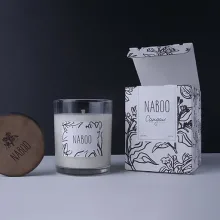
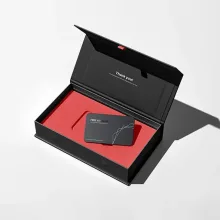
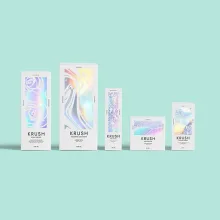




































Pharma packaging printing and a seal are related workstreams, but they need separate briefs. The printed pharmaceutical packaging box carries supplied product information and the opening instructions. A customizable pharma seal is a seal planned around its application surface, position, opening action, and visible change after opening. Put those details on the same project record before proofing.
For a buyer searching for a pharma packaging box, pharma packaging boxes, tamper evident pharma seals, or compliant pharma packaging, the procurement question is physical: what will be printed, where will the seal sit, and what should the receiving person observe? Custom Packaging Lane can quote the box, label, and seal direction to that brief. Keep product copy and approval decisions with your own qualified team.
How should pharma packaging printing and seals be split?
Split pharma packaging printing into the box, label, and seal workstreams before artwork is placed. The box brief covers the container, structure, panel copy, artwork coverage, closure, and finish. The seal brief covers the application surface, position, adhesive or material direction, opening action, and visible result after opening.
| Workstream | Buyer should provide | Proof checkpoint |
|---|---|---|
| Printed pharmaceutical box | Container details, panel copy, artwork, structure | Panel order, folds, closure, and readable text |
| Customizable pharma seal | Application surface, placement, opening result | Material direction, position, and visible evidence |
| Label or printed panel | Supplied information and variable fields | Copy version, hierarchy, and surface location |
| Outer shipping layer | Pack-out, handling path, destination | Outer dimensions, closure, and shipping artwork |
Do not let a box proof stand in for a seal proof. A seal can cover an instruction, cross a score, or land on the wrong side of a closure even when the box artwork looks correct on screen.
What belongs on each pharmaceutical packaging box panel?
Put the supplied product information into a panel hierarchy before adding decorative treatments. Mark the front, sides, back, top, bottom, and closure areas, then reserve space for identifiers and variable fields. Keep high-priority copy away from folds and scores. The assembled proof should show whether the panel order still makes sense after the carton is folded.
CPL's catalog references include CMYK and Pantone printing. CMYK is four-color process printing, while Pantone is a spot-color system used when a specified color needs its own ink reference. Applicable finishes include matte, gloss, spot UV, embossing, debossing, and foil stamping. Match the treatment to the information hierarchy, then check small copy at its final size.
How should customizable pharma seals be specified?
Describe a customizable pharma seal by its application surface, position, opening action, printed information, and visible change after opening. A request for security by itself leaves too much unpriced. State whether the seal crosses a lid, label, flap, or another joint, and explain what the receiver should see after an opening attempt.
Tamper-evident is a package feature description, not a blanket status claim. Review the seal beside the box, label, instructions, and opening sequence. If the seal is printed, keep the artwork version tied to the same proof as the carton so an updated line of copy does not get separated from the physical placement.
When should the box, label, and seal be proofed together?
Proof the box, label, and seal together whenever one opening action crosses more than one surface. Mark the seal location on the box dieline, show the label in its applied position, and check that supplied information remains readable after assembly. A dieline is the flat cutting template used to print, cut, score, and fold the package.
Reopen the proof if the copy, closure, seal position, or label shape changes. The final combined package is the version that matters at the packing bench, not an earlier box file with a later seal added from memory.
Which box format should carry the pharma print handoff?
Rigid printed boxes are a reference for structured presentation and controlled printed surfaces. Custom shipping boxes can frame an outer transit layer with its own board, closure, and shipping artwork. Custom mailer boxes can help compare a self-closing format with a separate label or seal workstream.
These catalog pages are construction references, not a statement about a pharmaceutical product outcome. Choose the format after the container, pack-out, opening action, and printed information are documented.
What does a print-and-seal quote need?
Send the product or kit format, box or label structure, seal objective, supplied copy, artwork status, opening sequence, pack-out, quantity, and delivery destination. The MOQ is 100 units. Pricing is from $0.49 per unit at volume, quoted to spec. Production is typically 8 to 10 business days after proof approval, plus delivery.
Free US shipping and free design support are available. The $19.99 sample kit can support an early physical comparison. For broader packaging planning, visit custom packaging solutions after the box and seal workstreams are documented.
Frequently Asked Questions
What does customizable pharma seals mean?
Customizable pharma seals means the seal is planned around the application surface, position, opening action, visible change, supplied artwork, and inspection process. Describe those inputs before asking for a quote. Review the seal with the box, label, instructions, and combined opening sequence before approving the production proof.
What belongs in a pharmaceutical packaging box print brief?
A pharmaceutical packaging box print brief should include the container or kit format, structure, panel copy, variable fields, artwork coverage, opening direction, identifier areas, finish direction, quantity, and destination. Mark which text is approved. The proof can then show the physical box and information hierarchy together.
How should tamper evident pharma seals be reviewed?
Tamper evident pharma seals should be reviewed by location, application surface, opening action, and visible result after opening. Show the seal on the box or label proof, then check it against the instructions and closure. Treat tamper evident as a package feature to specify, not a blanket status statement.
Which CPL products can guide a pharma packaging discussion?
Rigid printed boxes can frame structured presentation and printed surfaces. Custom shipping boxes can define an outer transit layer, while custom mailer boxes can support a self-closing format discussion. These product pages are construction references; the pharma project still needs its own container, copy, seal, artwork, and proof.
What are the current pharma packaging terms?
The current Custom Packaging Lane terms are an MOQ of 100 units, pricing from $0.49 per unit at volume, quoted to spec, and production typically 8 to 10 business days after proof approval, plus delivery. Free US shipping, free design support, and the $19.99 sample kit are available.