
















































What is pyramid packaging?
Pyramid packaging is a box with angled panels that meet at a point or form a tapered geometric shape. It suits a small product when the package needs a different silhouette from a rectangular carton. The shape changes how the package is held, opened, and read, so the product footprint should drive the structure from the first sketch.
Custom Packaging Lane's custom die-cut capability covers novelty shapes such as pyramid boxes. Free design support starts with product dimensions, opening direction, panel count, and any insert. The result is a project-specific dieline, not a generic pyramid outline.
What products fit a pyramid box?
A pyramid box fits compact gifts, seed products, wax products, and promotional items when the product can sit securely in the tapered interior. A tapered cavity changes usable space near the point, so measure the packed product rather than the bare product. If the item needs an insert, include the insert in the dimensions from the start.
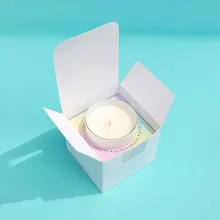
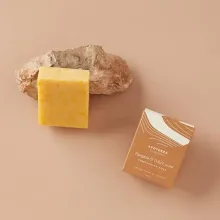
Use wax packaging as a format reference for a compact product, and compare seed packaging when the project has a small packet or novelty presentation. Private label packaging is another reference when several branded items need a related visual system. These product pages do not set the pyramid's size or construction.
How does a pyramid box dieline work?
A dieline is the flat cutting template used to print and cut a package. On a pyramid box, the dieline maps angled panels, fold lines, glue tabs, cut lines, bleed, and the finished opening sequence. The template also shows which panels meet after assembly, which matters when a logo or a line of copy crosses a corner.
Keep type away from scores and let the artwork follow the panel direction. A common print standard is to include bleed beyond the cut line, but the approved printer dieline controls the exact allowance. Convert RGB artwork to the press color space before approval, because colors can shift when the file moves to press.
| Dieline area | What it controls | Proof check |
|---|---|---|
| Angled panel | Main logo and front-facing message | Read the assembled panel first |
| Score line | Where the board folds | Keep type and fine marks clear |
| Glue tab | Where panels join | Keep main artwork off the tab |
| Top point or flap | How the package closes | Open and close the assembled sample |
| Interior area | Product or insert position | Check fit with the packed product |
Digital printing moves artwork from file to press without plates. Offset printing uses plates and can suit a larger run or tighter color control. The selected process belongs in the quote, along with ink coverage and the finished surface. Ask how many flat or assembled boxes nest in a master carton and how the master cartons stack on a pallet.
What should you check on an assembled pyramid box?
Check the assembled box before approving the proof. The logo should face the intended direction, the panels should meet cleanly, the closure should work without crushing the point, and the product should stay in place. A flat file cannot show how a tapered wall changes the reading order or how the corners feel in the hand.
Low-resolution art should be replaced before print. RGB art can shift when converted for press. Check small type near scores, make sure bleed reaches the cut edge, and confirm that any insert holds the product without rattling. If the opening is part of the concept, repeat the opening action during the physical check.
Which print and finish choices suit a pyramid box?
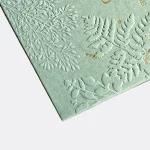
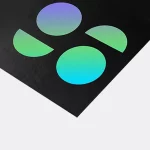
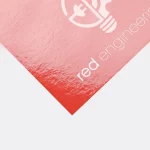
Large color fields, centered marks, and simple patterns read more cleanly across angled faces than dense copy. Matte lamination cuts surface sheen, while gloss lamination gives the printed surface a brighter reflection. Spot UV puts a gloss area on a selected part of the print, and foil adds a reflective detail. Folds and scores can interrupt a finish, so keep selected effects on stable panels.
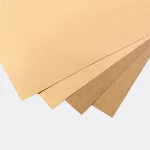
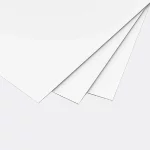
White board gives colors a cleaner base. Kraft board keeps its brown fiber tone and changes the way inks appear. The material, ink coverage, lamination, foil, and spot UV should be listed in the brief, then checked on the digital proof. Free design support can help map the artwork to the die-cut structure.
What does custom pyramid packaging cost and how long does it take?
Custom pyramid packaging starts at an MOQ of 100 units. Pricing is from $0.49 per unit at volume, quoted to spec, so the quote follows the finished die-cut structure, material, print, finish, and quantity. Production is typically 8 to 10 business days after proof approval, plus delivery. Free US shipping and free design support are available. The $19.99 sample kit gives you a physical reference for structure and finish before the proof is approved.
Send product dimensions, the opening direction, the expected quantity, artwork, and insert requirements. The clock starts at proof approval, not at the first inquiry. For other custom formats, see custom packaging solutions, then keep the pyramid structure as the working scope for the quote.
Frequently Asked Questions
Can a pyramid box be sized around my product?
A pyramid box can be sized around the packed product, insert, opening direction, and panel layout. Send the product dimensions and how the item should sit inside the box. Custom Packaging Lane can draw the die-cut structure with free design support, then send a digital proof so the assembled shape and fit are checked before production.
What should a pyramid box dieline show?
A pyramid box dieline should show the flat cut template, angled panels, fold lines, glue tabs, bleed, safe artwork areas, and closure. Check the template as an assembled box as well as a flat file. A logo near a score or corner can shift in the finished shape, so move it before proof approval.
Which products work with pyramid packaging?
Pyramid packaging can suit compact gifts, seed products, wax products, and promotional items when the product fits the tapered interior. A sample can reveal how the point, panels, and opening feel in hand. The final choice should follow the packed product and insert, not a generic shape.
What is the minimum order for a custom pyramid box?
The minimum order for a custom pyramid box is 100 units. Pricing is from $0.49 per unit at volume, quoted to spec. The quote follows the finished die-cut structure, material, print, finish, and quantity, so the starting price is not a flat price for every pyramid box.
How long does custom pyramid packaging take?
Custom pyramid packaging is typically produced in 8 to 10 business days after proof approval, plus delivery. The production window is typical, not guaranteed. Free design support is available before that approval, and the $19.99 sample kit can help check the structure first.