




























































What do buyers mean when they search for seed packaging bags?
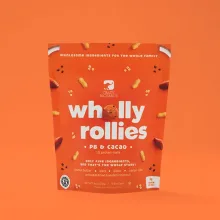
A seed bag request can point to several distinct packs: a flat packet for a single planting quantity, a gusseted pouch that gains depth as it fills, a paperboard carton around an inner packet, or a corrugated case that groups retail units. Those formats are not interchangeable. The request should state whether seeds touch the printed pack or sit inside a separate primary packet, because that changes the structure, closure, artwork area, and insert needs.
The seed packaging option is the direct product reference for a custom seed project. It lists corrugated stock and custom inserts for holding contents in place, along with paper stocks and decorative finishes. A buyer seeking a bag instead of a box should name that distinction in the request and ask for written confirmation of the exact structure and material quoted.
How should fill and finished size be specified for seed bags?
Use the intended retail fill, stated as a count or weight, and the exact seed variety for testing. Seed shape and bulk density alter occupied volume. Long, flat seeds, round seeds, and mixed forms can settle differently at the same declared fill. Pack a representative quantity before final dimensions are chosen. Check headspace, product movement, the opening path, and whether seeds enter the seal or closure area.
| Format being assessed | Dimensions to supply | Seed-specific test |
|---|---|---|
| Flat packet | Finished width and height | Fill position, sealed edges, headspace, and opening side |
| Gusseted bag | Finished width, height, and opened gusset | Filled depth, standing shape, pour control, and closure clearance |
| Carton with inner packet | Internal length, width, and depth | Packet count, orientation, movement, and insert contact |
| Corrugated case | Internal length, width, and depth | Retail-pack count, orientation, filled weight, and stacking plan |
Which structure and closure details should custom seed bags define?
For flat packets, map every sealed edge and the intended opening side. For a gusseted concept, record whether the gusset sits at the bottom or sides and measure it in the opened position. If a zipper, tear notch, or heat-sealed top is requested, show its position on the structural drawing. These are specification fields, not a statement that every option is available with every material.
Run fill trials with the intended seed. Small seeds can collect in a zipper track or along a heat-seal band, while pointed or irregular seeds may change how the pack lies. Open the sample as a customer would, pour a controlled amount, and test any reclose action with product near the track. An empty sample does not expose those use conditions.
Which catalog options help define a bag-style seed request?
The aluminum packaging bags, black mylar bags, and coffee kraft bags pages give buyers concrete references for metallic, opaque, and kraft-looking directions. They do not establish that a seed-specific barrier, zipper, gusset, or seal is included. State each required feature, how the seed will be filled, whether the pack must reclose, and which surfaces need printing.
How should printed seed bags organize variety and planting content?
Reserve stable panels for the buyer-supplied variety name, fill statement, lot reference, barcode, planting directions, and artwork identifier. Keep critical copy away from sealed edges, tear features, zipper tracks, and gusset folds. Test the barcode on a filled pack because curvature, reflective decoration, and panel distortion can affect scanning. The front panel should still identify the variety when the bag is standing, stacked, or held.
One layout may need to cover several seed varieties. Build the master design around the longest variety name and the largest changing text block, then give each version a distinct artwork identifier. Match every identifier to the correct planting copy and barcode before approval. This version map matters when similar packets share colors or illustrations but contain different seeds.
What should buyers ask a seed bags manufacturer or supplier to quote?
Buyers often search for seed bags manufacturer while comparing suppliers. Custom Packaging Lane is a US-based packaging supplier. A quote-ready request should list the format, material, finished dimensions, fill count or weight, closure map, printed sides, artwork versions, insert needs, case pack, and display method. The retail packaging collection can help frame shelf presentation, but the request still needs to identify the specific seed pack.
The minimum order is 100 units, with pricing from $0.49 per unit at volume. Production typically runs 8 to 10 business days after proof approval, plus delivery. Free US shipping and free design support apply. A digital proof is sent before printing, and a $19.99 sample kit is available.
How should buyers evaluate a seed packaging sample?
Fill the sample with the intended seed variety and retail quantity. Inspect how the contents settle, whether the pack bulges, whether enough room remains for the planned closure, and whether seeds migrate into the seal area. Open and pour from the pack, then check any reclose action. Inspect the printed panel, planting copy, artwork identifier, and barcode while the package is filled.
If an inner packet sits inside a carton or corrugated case, test the complete pack system. Load the planned packet count in its intended orientation and inspect movement, insert contact, panel scuffing, and access. Compare quotes only when the format, dimensions, material, closure, print coverage, artwork count, insert, and outer-pack assumptions describe the same deliverable.
Frequently Asked Questions
What is the difference between a seed packet and a seed packaging box?
A seed packet is the primary pack when seeds sit directly inside its sealed structure. A seed packaging box can hold one or more separate packets, add display area, or group units with an insert. The request should state which layer touches the seed, how many inner packets the box holds, and whether buyers open one layer or both.
How should custom seed bags be sized for different seed varieties?
Test the intended retail quantity with the exact seed variety. Shape and bulk density influence how much space the fill occupies and how it settles. Record finished width and height, any opened gusset, required headspace, and the location of seals or closures. The filled sample should open cleanly, pour as intended, and keep seeds out of the closing area.
Which closure details belong in a printed seed bag specification?
Identify every sealed edge, the opening side, and the position of any requested tear notch, zipper, or heat-sealed top. State whether the buyer expects one-time opening or repeated access. With a resealable concept, test the closure using the intended seeds because small pieces can enter a zipper track and interfere with closing or controlled pouring.
Where should planting information and barcodes appear on seed bags?
Place the variety name, fill statement, planting copy, artwork identifier, and barcode on stable areas away from seals, tear features, zipper tracks, and gusset folds. Check the barcode after filling because curvature and reflective decoration can affect scanning. For multiple varieties, allow for the longest names and clearly map each artwork version to its correct copy and code.
How should buyers compare seed packaging samples?
Fill each sample with the same intended seed quantity, then compare settling, headspace, opening control, closure clearance, and panel shape. Check whether seeds reach the seal area and whether printed information stays readable. If the packet goes inside a carton or case, test the complete system with the planned count, orientation, insert contact, handling, and barcode position.