




























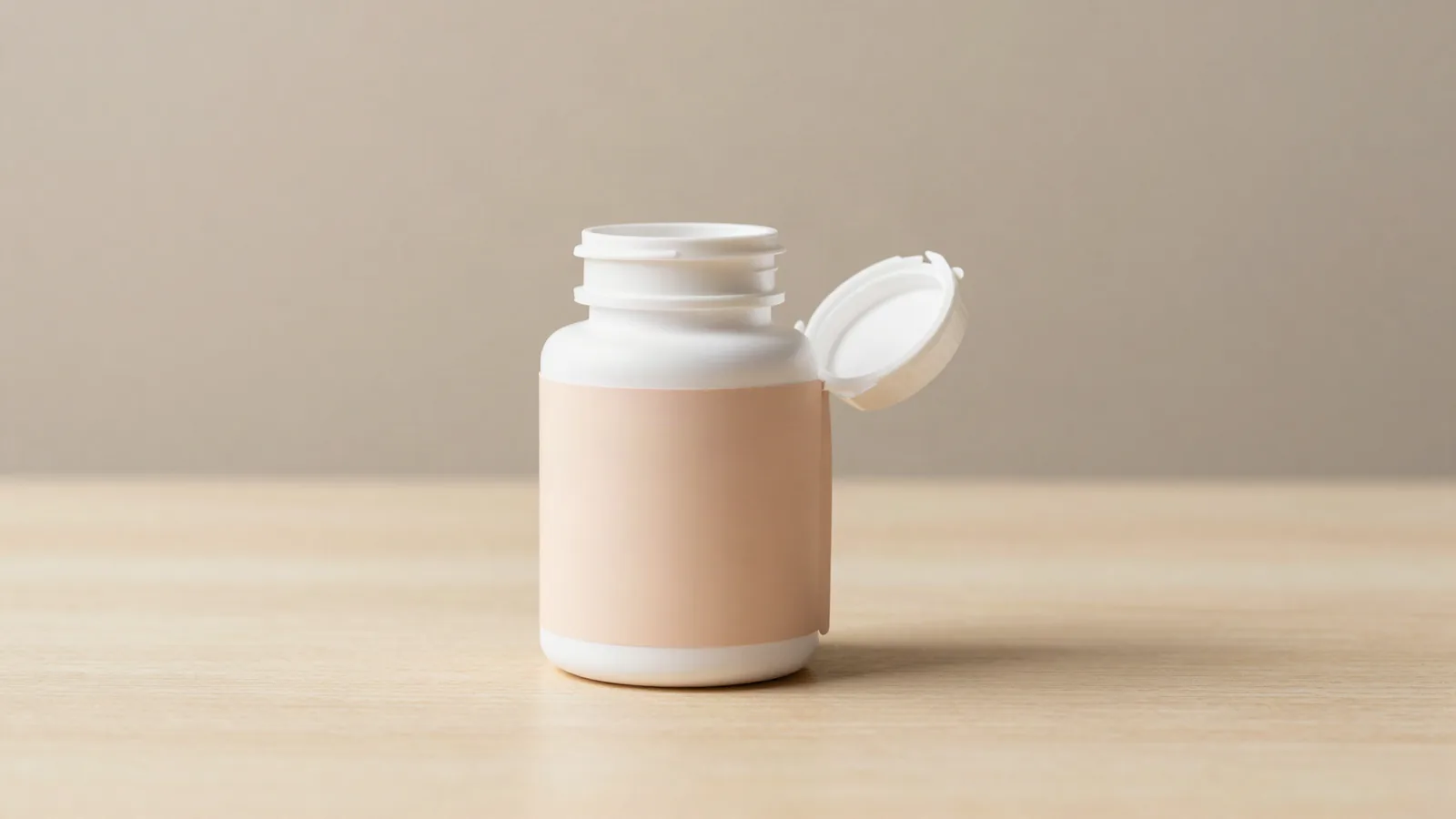




















































Tincture bottle packaging should be drawn from the finished bottle, closure, label, and box opening. An insert cavity is the cut space that holds the bottle inside the box. A private-label SKU is one product variant under a brand system, and SKU means stock keeping unit. Standard bottle dimensions can start the discussion, but the actual bottle controls the final cavity and label view.
Keep bottle dimensions and artwork version records together. A carton that works for one closure can fail when the closure or label height changes.
Does every tincture bottle need the same insert cavity?
No. A tincture bottle insert cavity depends on the finished bottle height, widest point, closure, label position, bottle count, and box structure. Use those measurements in the dieline rather than selecting a cavity from a category name.
| Dimension or field | Why it matters | Proof check |
|---|---|---|
| Bottle height | Top clearance inside the box | Does the closure clear the lid? |
| Widest point | Side clearance for insertion | Does the bottle enter without force? |
| Closure | Top profile and support position | Does the insert support the bottle below the closure? |
| Label position | Front-facing product view | Does the brand panel face the intended side? |
| Bottle count | Cavity layout inside the box | Can each bottle be removed separately? |
These fields are the working size record. If the cavity is loose, the bottle can move. If it is tight, removal becomes awkward. A physical bottle or representative sample should be shown in the proof.
How should a tincture carton keep private-label SKUs consistent?
A private-label line should keep the logo, panel order, type hierarchy, and opening direction fixed while product fields change by SKU. The same structure can then cover several variants without moving the brand mark each time.
| Line element | Hold steady | Change per SKU |
|---|---|---|
| Front panel | Logo position and reading order | Product name and variant |
| Side panel | Information hierarchy | Approved product wording |
| Color system | Base palette and contrast | Variant accent |
| Opening | Customer access sequence | Single bottle or set arrangement |
| File record | Version naming | SKU code and artwork file |
What label hierarchy fits a small tincture carton?
A small tincture carton should identify the brand and product before secondary copy. Put the product name, variant, bottle count, and approved product wording into the panel map. Reserve side or back panels for directions, contact details, reorder information, or other copy supplied by the brand.
- Identify the primary product name and variant wording.
- Mark any lot, batch, or date field supplied by the brand.
- Reserve space for contact or reorder information when needed.
- Keep small copy away from folds, closures, and glue areas.
- Assign one owner to approve each artwork version.
How should artwork versions move from design to proof?
Artwork versions should move through proof with one record per SKU. Give each file a version name, list the fields changed, identify the approval owner, and compare the current label copy with the prior version. Keep bottle dimensions in the same record when the closure or label position changes.
RGB is a screen color format, and conversion for print can shift color. Bleed is artwork that extends beyond the cut line. Check the flat dieline and assembled box together. A generic bottle illustration cannot confirm the finished label view.
What should I ask about box materials?
If any part of the package may touch the product, ask us about food-contact options. Describe the bottle, inner component, printed carton, and intended use so the material question follows the actual package. Do not infer a material property from the box name.
Free design support can help organize the dieline, panel map, and artwork versions. The brand owner supplies and approves the product wording that appears on the carton.
Which CPL products can inform a tincture packaging brief?
Use tincture bottle boxes as the direct catalog path for this category. Private-label packaging can inform a coordinated SKU family. Seed packaging and wax packaging offer compact-format references for discussing small printed packages and variant-led artwork. Their dimensions should not be copied into a tincture project. Use the actual bottle record instead.
What are the order terms for a custom tincture bottle box?
The MOQ is 100 units. Pricing is from $0.49 per unit at volume, quoted to spec. Production is typically 8 to 10 business days after proof approval, plus delivery. Free US shipping and free design support are available.
The $19.99 sample kit is credited toward the first order and can help compare box and insert directions before proof approval. For a smaller brand program, visit custom packaging for small business. Send bottle measurements, closure details, artwork files, and quantity for a quote.
Frequently Asked Questions
How is a tincture bottle insert cavity sized?
A tincture bottle insert cavity is sized from the finished bottle height, widest point, closure, label position, bottle count, and box structure. A loose cavity lets the bottle move, while a tight cavity makes removal difficult. Use the actual bottle or a representative sample in the proof instead of choosing a cavity from a category name.
Can private-label tincture boxes use one design system?
Private-label tincture boxes can use one design system across variants. Keep the logo position, panel order, type hierarchy, opening direction, and base color system fixed. Change the product name, variant, accent color, bottle count, and SKU code through controlled fields. Review each artwork version against the bottle and label details before approval.
What copy belongs on a tincture carton?
Tincture carton copy should identify the brand, product name, variant, bottle count, and approved product wording. The brand owner should supply and approve directions, contact details, reorder information, and any lot, batch, or date field. Keep small copy away from folds, closures, glue areas, and the bottle-facing view.
What if a tincture package may touch the product?
If a tincture package may touch the product, ask us about food-contact options. Describe the bottle, inner component, printed carton, and intended use so the material question follows the actual package. Do not infer a material property from the box name. Keep the material discussion separate from the artwork approval.
What are the terms for a custom tincture bottle box?
A custom tincture bottle box has a 100-unit MOQ. Pricing is from $0.49 per unit at volume, quoted to spec. Production is typically 8 to 10 business days after proof approval, plus delivery. Free US shipping and free design support are available. The $19.99 sample kit is credited toward the first order.












