
















































































What does tincture box packaging need to fit?
Tincture box packaging needs to fit the assembled dropper bottle, not the liquid volume printed on its label. Measure the bottle body, shoulder, dropper, closure, label, and any inner piece that stays with the order. Two bottles with the same fill volume can have different heights and shoulders, so a volume label alone does not set the box.
A dieline is the flat cutting template that shows panels, scores, glue tabs, cut lines, and the opening. CPL's small-box dimension data gives you a starting reference for common tincture dropper bottle formats. The selected bottle and closure still control the finished interior.
| Box input | What it changes | What to provide |
|---|---|---|
| Assembled bottle | Usable interior and loading direction | Filled bottle or a clear dimensional sample |
| Dropper and closure | Tallest point and top clearance | Final closure installed on the bottle |
| Label panel | Front-facing artwork and panel hierarchy | Label size or intended wrap area |
| Opening | Loading motion and customer handoff | Preferred tuck or opening direction |
Why does the actual closure change the box?
The installed closure sets the tallest point and the clearance needed above the bottle. A dropper, screw cap, or alternate closure can change the top panel, tuck flap, and the way the bottle sits inside the carton.
- Measure the bottle with the final dropper or closure installed.
- Record the body width, overall height, shoulder shape, and label panel.
- Keep different closure versions separate in the brief.
- State whether the bottle will stand upright during loading and storage.
A clear sample is better than a fill-volume label alone. If the bottle supplier may change the closure, send each version for review. That small check can prevent a carton that closes around the wrong top height.
How should a tincture box structure be checked?
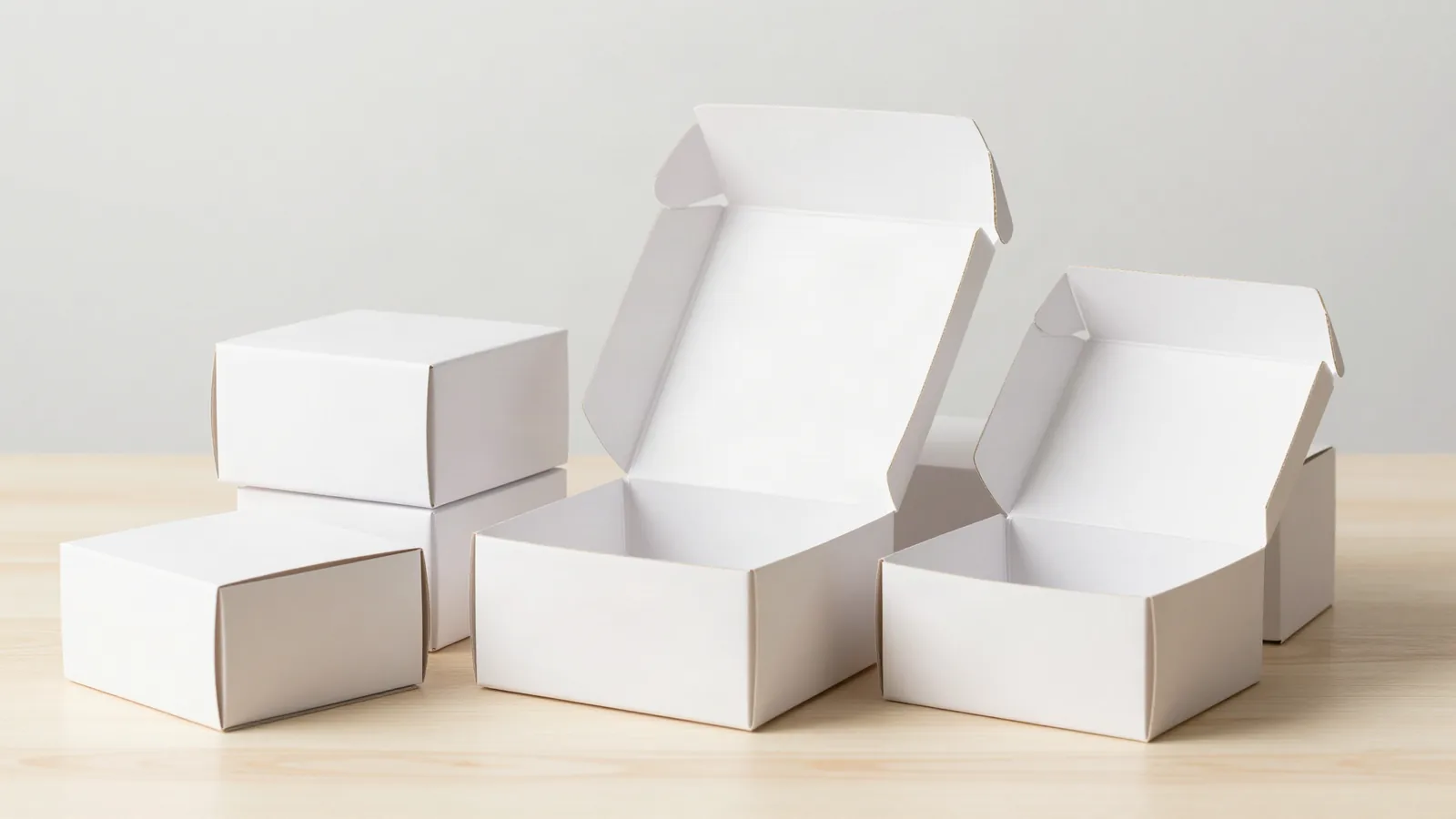
Check the structure with an assembled sample before artwork is locked. Paperboard folds into a compact carton with printed panels, scores, glue tabs, and tuck flaps. A small insert can keep a bottle from shifting, but an insert cut to the exact product size needs its own fit check because a little extra space can create rattle.
Keep the inside and outside measurements separate. Board thickness, folds, closure panels, and glue areas change the outside of the box. The opening also changes the front panel. A top tuck may give the carton a direct handoff, while a different opening can reserve more space for the label-facing side.
Finish choices belong after the structure is clear. Matte lamination reduces reflection, gloss lamination creates a brighter surface, and spot UV puts a hard gloss on selected artwork. Foil can mark a logo or product name. Each choice changes the proof, so review it on the assembled carton rather than on a flat artboard alone.
What prepress problems show up on a small tincture box?
Small tincture boxes expose artwork errors quickly because scores and glue tabs take up a larger share of the panel. Low-resolution art can soften around small type. RGB artwork can shift when it is converted for press. Type set too close to a score can land on a fold, and missing bleed can leave an unprinted edge after cutting.
- Keep critical type and barcodes away from scores, cuts, and glue tabs.
- Supply artwork at print resolution with the correct color setup.
- Carry bleed across the outer cut line shown on the dieline.
- Review the digital proof at full size before approval.
A press check looks at color, registration, small type, and the position of the artwork against folds. The digital proof is the point to catch a panel that reads upside down or a closure that covers the product name.
Which CPL products help compare tincture box directions?
Tincture bottle boxes are the closest CPL product reference for this job. Wine box packaging can help compare a taller bottle-carton direction. Wax packaging gives a compact boxed-product reference, while private label packaging helps when several products need related artwork and presentation.
What do you send to quote tincture packaging?
Send the assembled bottle, final closure, label panel, preferred opening, artwork status, quantity, destination, and the person who will approve the proof. The custom packaging design service can organize those inputs into a dieline and proof.
The MOQ is 100 units. Pricing is from $0.49 per unit at volume, quoted to spec. Production is typically 8 to 10 business days after proof approval, plus delivery. Free US shipping and free design support are available. Order the $19.99 sample kit when you need to compare board and finishes before approving the production proof. Start with the assembled bottle, not the fill volume.
Frequently Asked Questions
Can one tincture box fit different dropper bottles?
One tincture box should be checked against each assembled dropper bottle because body width, shoulder shape, closure height, and label placement can differ at the same fill volume. Send every bottle and closure version that may ship. CPL's small-box dimension data can organize the comparison, but the selected package controls the final fit.
What measurements are needed for tincture bottle boxes?
Tincture bottle boxes need the assembled bottle height and width, closure height, shoulder profile, label panel, and loading direction. Keep the final closure installed during the fit check. If the product may use two closure versions, identify both so the dieline and interior clearance are based on the package customers will receive.
Does CPL have small-box data for tincture packaging?
CPL has small-box dimension data for common tincture dropper bottle formats. The data is a reference point, not a universal carton size. Compare the selected reference with the actual bottle, closure, label, opening, and any insert before approving the digital proof.
How should a tincture box open?
A tincture box opening should match the way the bottle is loaded, removed, displayed, and handled after purchase. A top tuck may suit a direct handoff, while another opening may give more room to a front label. Send the preferred opening direction with the assembled bottle so the structure is checked as one package.
What are the order terms for tincture packaging?
Tincture packaging has a 100-unit MOQ. Pricing is from $0.49 per unit at volume, quoted to spec. Production is typically 8 to 10 business days after proof approval, plus delivery. Free US shipping and free design support are available, and the sample kit is $19.99.












