









































































How should you use this tuck box size chart?
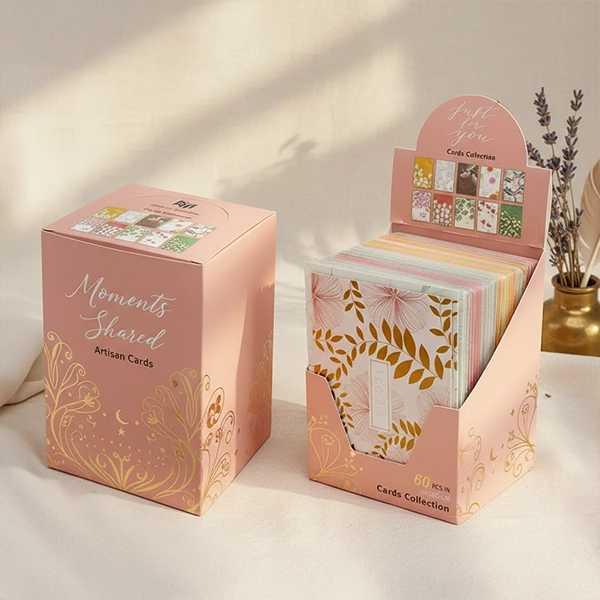
A tuck box size chart is most useful when it connects the inside footprint to the opening direction and display position. The table below shows inside planning dimensions in width x depth x height order, with inch and millimeter equivalents. Use the rows to begin a custom tuck box discussion, then confirm which panel tucks into the package, how the product will be loaded, and whether the box will sit flat or upright at the point of sale. That makes it useful for buyers searching custom tuck boxes, tuck boxes, custom tuck top boxes, a tuck box, flat tuck display boxes, or custom tuck end boxes.
| Inside planning size | Millimeter equivalent | Useful starting point |
|---|---|---|
| 2 x 2 x 4 in | 51 x 51 x 102 mm | Small boxed item or upright display |
| 3 x 2 x 6 in | 76 x 51 x 152 mm | Tall retail item with a tuck top |
| 4 x 3 x 8 in | 102 x 76 x 203 mm | Long product with an end opening |
| 6 x 4 x 2 in | 152 x 102 x 51 mm | Flat tuck display box or shallow pack |
| 8 x 5 x 2 in | 203 x 127 x 51 mm | Multi-item shelf presentation |
The dimensions are planning examples, not a fixed catalog of universal tuck box sizes. Measure the packed product and the opening sequence together. A shallow box may work for a flat display, while a taller product may need a tuck panel that opens at the top or end without interfering with the product.
What is the difference between tuck top and tuck end boxes?
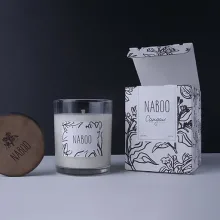
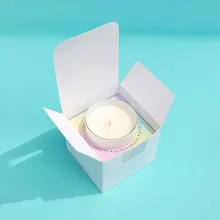
Custom tuck top boxes open through a top panel, while custom tuck end boxes place the primary tuck action at an end of the package. That distinction changes how the product enters the box, where the artwork faces forward, and how the package may be arranged on a shelf or in a shipping workflow. Choose the opening based on access and display, not on the name alone.
When the product is tall, a top opening can keep the front panel uninterrupted. When the package is long or shallow, an end opening may make loading more direct. These are design directions to discuss with the dieline, not promises about a particular finished construction. The final dimension should be confirmed against the actual product, closure panels, and artwork.
Which dimensions work for flat tuck display boxes?
Flat tuck display boxes need a footprint that supports the product and a height that does not overwhelm the front panel. The 6 x 4 x 2 inch planning row is a useful starting point for shallow presentations, while the 8 x 5 x 2 inch row gives more room for a coordinated set. Confirm whether the package will be displayed flat, stacked, or turned upright before choosing the panel hierarchy.
Use the front panel for the primary product message and reserve the tuck area for the opening action. If a side panel carries ingredients, directions, or other copy, include that information before the artwork proof. A size decision is stronger when the copy layout and the physical opening are planned at the same time.
How do panel layout and closure affect the fit?
Measure the product in the position it will occupy after loading. Include any sleeve, card, folded insert, or protective layer that stays inside. Then discuss the flap direction, panel sequence, and whether the closure should be visible from the front. The box needs enough usable interior for the product while leaving the artwork and opening path understandable.
Which tuck format should you consider?
Compare roll-end tuck front boxes when the front-facing opening and tuck action are central to the packout. Consider reverse tuck boxes when the product and panel sequence call for that style. Consider custom tuck top mailer boxes when the package must connect a tuck opening with a direct fulfillment role.
When should you request a sample?
A physical reference is useful when the opening direction, panel balance, or shelf orientation is hard to judge in a flat file. The sample kit is $19.99 and can help stakeholders discuss the feel and sequence before proof approval. It is still important to send the product dimensions and intended use for the project-specific fit check.
What should go in a tuck box inquiry?
Include the product footprint, packed height, preferred opening direction, display position, artwork status, quantity, and destination. CPL starts with an MOQ of 100 units. Pricing is from $0.49 per unit at volume, always hedged. Free US shipping and free design support are available. Production typically takes 8 to 10 business days after proof approval, plus delivery. For other package formats, use the custom packaging solutions hub.
Frequently Asked Questions
How do I read a tuck box size chart?
Read each row as an inside planning dimension in width, depth, and height order. Match the row to the packed product, then check whether the tuck action is at the top or end. The chart starts the conversation. A final dieline should reflect the product, closure panels, artwork, and display position.
What are custom tuck top boxes used for?
Custom tuck top boxes can fit products loaded from above when a top opening supports the handling path or keeps the front panel visually clear. Their usefulness depends on the product height, closure movement, and display plan. Share those details before settling the size or artwork arrangement.
When should I consider custom tuck end boxes?
Consider a tuck end direction when the product is long, shallow, or easier to load from an end. The opening can affect how customers access the package and how the front panel is presented. Confirm the actual product orientation, panel sequence, and intended display before choosing the construction.
What are flat tuck display boxes?
Flat tuck display boxes are a useful planning category for shallow packages designed to present a product or coordinated set with a broad front footprint. Use the chart's shallow rows as a starting point, then confirm the packed height, opening movement, display position, and artwork before approving the structure.
What should I provide for a custom tuck box quote?
Send the packed product dimensions, desired tuck direction, display plan, artwork status, quantity, and destination. CPL works from a 100-unit MOQ, pricing from $0.49 per unit at volume, free design support, and free US shipping. For planning, remember that production typically takes 8 to 10 business days after proof approval, plus delivery.