


























































A battery shipping box is a package built around a battery or a packaged battery product. It can be a retail carton, a corrugated outer box, or a box with an internal support system. Those are different jobs. Battery profile, terminal position, filled weight, board selection, insert material, and handling path all belong in the brief. This page covers retail packaging design and carton fit, not transport-handling determinations.
Start with the physical product and the way it enters the package. Record the battery casing, terminals, accessories, inner wrap, display orientation, and removal path before choosing the outer structure.
What should a battery shipping box protect?
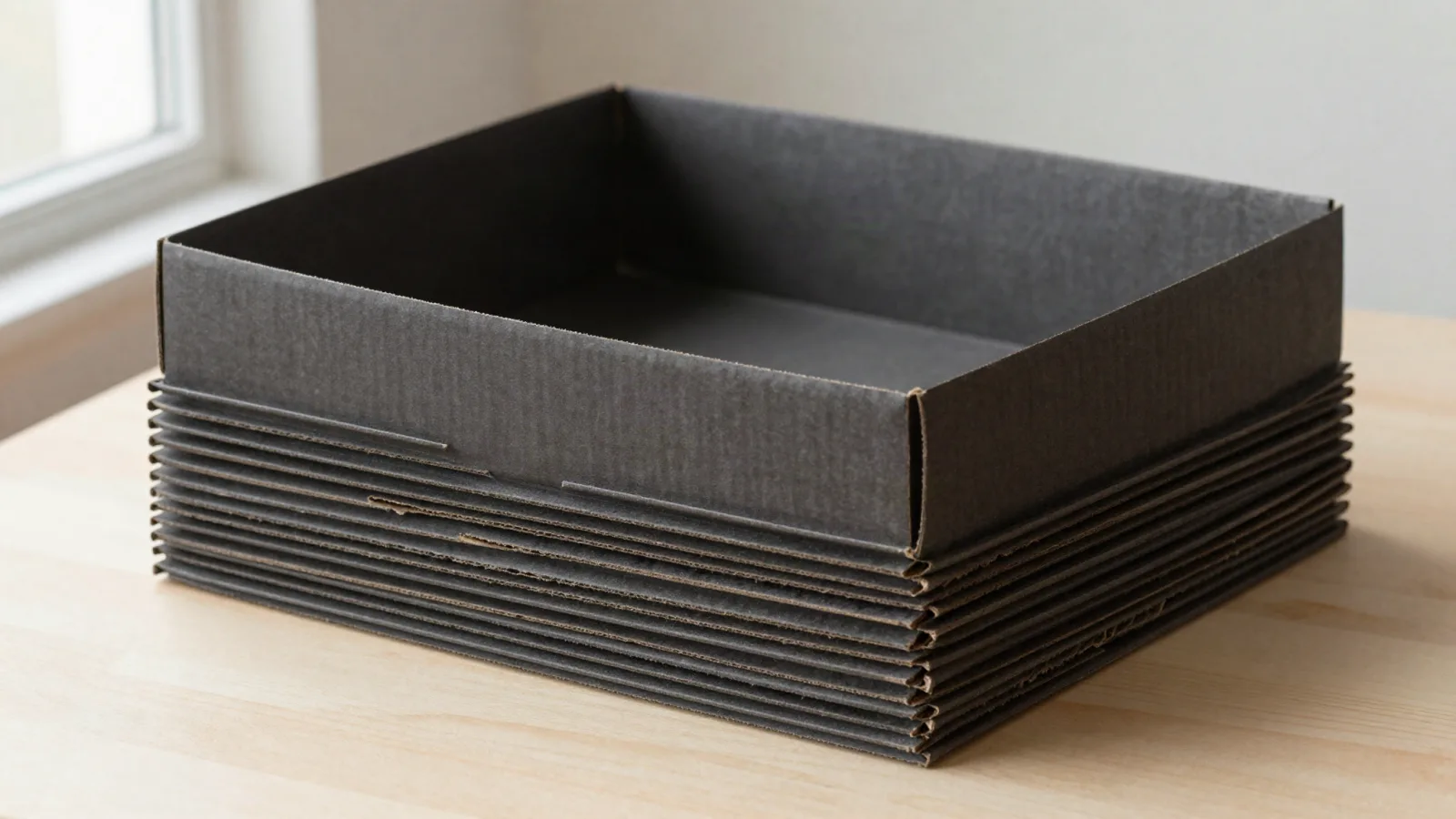
A battery shipping box should hold the product in a defined position, separate contact points when the pack-out requires it, and keep the printed carton from carrying loads it was not designed to take. The box role comes first: a retail carton and an outer shipping carton need different structural conversations.
| Packaging need | Material or feature direction | What to confirm |
|---|---|---|
| Retail battery carton | Printed paperboard structure | Product fit, panels, closure, and display orientation |
| Outer shipping carton | Corrugated box structure | Filled weight, handling route, closure, and pack-out |
| Terminal separation | Non-conductive divider discussion | Contact points, clearance, and loading sequence |
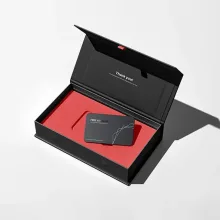
| Interior support | Cardboard, paperboard, or corrugated insert | Battery shape, accessories, and removal path |
| Brand presentation | Printed surface, window, or display panel | Logo, wording, window placement, and copy clearance |
The table is a starting brief, not a transport determination. The filled battery and its accessories still need to be checked in the proposed structure.
How should protective inserts be planned?
A protective insert should keep the battery in position, separate components when needed, and make loading and removal straightforward. Non-conductive means the material does not readily conduct electricity; that direction can be discussed around terminal separation, but the insert still has to fit the actual battery and pack-out.
Do not choose an insert from the outer box size alone. Send the battery, inner wrap, accessories, desired orientation, and the clearance around terminals and edges. Check the assembled package before approval so the insert does not create unwanted pressure or leave the product loose.
What do board weight, flute, and caliper mean?
Board weight describes the mass of a defined paperboard area. Caliper describes board thickness. Flute is the shaped corrugated layer between liner sheets. Those terms describe different properties, so a quote should identify the selected board or flute direction instead of using the word battery as a universal specification.
Paperboard suits compact retail cartons. Corrugated construction suits an outer carton when the product and handling route call for it. E-flute has a thinner profile and usually prints finer detail than B-flute. B-flute has a thicker profile and commonly gives more stacking strength. The filled weight, insert, closure, and handling path decide which direction deserves a proof.
Should battery packaging include a window?
A window makes sense when the battery or accessory should be visible before opening and the cutout can leave the logo and handling copy readable. A closed carton gives the artwork more uninterrupted space and keeps the product reveal inside the opening.
Decide whether the window belongs on the retail carton or the outer shipper if the battery travels inside another package. Keep the window away from folds, glue areas, and closures. Check the filled package, not just the flat cut file.
Which CPL products can help compare battery packaging?
Start with custom shipping boxes for the outer-carton discussion. Compare custom folding shipping boxes when flat storage, assembly, or a folding opening belongs in the brief. Use window display boxes when retail visibility is part of the presentation.
These pages are format references. The battery profile, terminal position, insert, board direction, artwork, and handling path determine the final specification.
What should the battery box proof show?
The digital proof should show the retail or outer-carton role, product position, insert shape, terminal clearance, accessories, folds, seams, closure, and printed panels before anything prints. A product photo alone cannot show whether the insert loads cleanly or whether the closure presses against the battery.
Free design support can organize the battery profile and pack-out into a dieline, the flat cutting template for the box. A $19.99 sample kit is credited toward the first order and gives the team a physical starting point for comparing board and finish directions.
What are the MOQ, price, and production terms?
CPL uses a 100-unit MOQ. Pricing may be from $0.49 per unit at volume, quoted to spec. Production is typically 8 to 10 business days after proof approval, plus delivery. Free US shipping and free design support are available.
For the broader design path, use custom packaging design. Send the battery profile, insert request, box role, artwork, quantity, and destination so the quote stays tied to the actual pack-out.
Frequently Asked Questions
Are battery shipping boxes the same as transport packaging?
Battery shipping boxes can mean a retail carton, an outer shipping carton, or a box with an interior support system. Transport packaging decisions require the actual product and handling context, so this page stays focused on packaging design and carton fit. Send the battery profile, terminals, accessories, filled weight, insert request, and box role for a scoped discussion.
What does a protective insert do for a battery box?
A protective insert holds the battery in a defined position, separates components when needed, and makes loading and removal clear. A non-conductive divider is a material direction that does not readily conduct electricity, but the insert still needs to match the terminal positions, clearances, accessories, and finished pack-out.
How do I choose board weight or flute?
Board weight describes the mass of a defined paperboard area, while caliper describes thickness and flute describes the shaped corrugated layer. E-flute usually supports finer printed detail than B-flute, while B-flute has a thicker profile. The battery, filled weight, insert, closure, and handling path determine the board direction to review.
When should battery packaging include a window?
Battery packaging should include a window when the product or accessory needs to be visible before opening and the cutout leaves the logo and copy readable. A closed carton gives the artwork more uninterrupted space. Decide whether visibility belongs on the retail carton or outer shipper, then check the assembled package.
What commercial terms does CPL publish?
CPL uses a 100-unit MOQ, with pricing that may be from $0.49 per unit at volume, quoted to spec. Production is typically 8 to 10 business days after proof approval, plus delivery. Free US shipping and free design support are available. The $19.99 sample kit is credited toward the first order.