



























































How do you build your own candy box?
Build your own candy box by starting with the candy arrangement and the box dimensions, then choose the window and finish. A dieline is the flat cutting template used to print, score, and cut the box. We draw it from the product dimensions and send a digital proof before anything prints, so the package is checked as a real structure rather than a loose artwork concept.
Measure the candy as it will enter the box. Include wrappers, trays, dividers, cards, sleeves, or any support piece that stays inside. A box that fits an empty mockup can become tight once the actual assortment is packed.
What should you decide before requesting a candy box quote?
The quote brief should record the inside length, width, and height, the packed arrangement, the viewing face, and the finish. If the package needs a window, mark the panel that should show the candy and the amount of product the buyer should see. If the box stays closed, use that panel for the product name and brand information.
| Choice | Record in the brief | Why it changes the package |
|---|---|---|
| Size | Inside length, width, height, and packed depth | Sets the cavity, panel proportions, and insert clearance |
| Window | Panel, visible area, and product position | Changes the cut pattern and available artwork space |
| Finish | Matte, gloss, foil, embossing, debossing, or another requested treatment | Changes surface appearance and how the box feels in hand |
| Pack-out | Loose pieces, grouped pieces, tray, divider, or insert | Sets the interior organization and clearance review |
Keep confirmed choices separate from open choices. If the box will ship in a master carton, record how the folded boxes nest and whether the window or glue tabs can be stacked without pressure. Carton and pallet counts belong in the quote, not in a guessed product spec.
Does a candy box need a window?
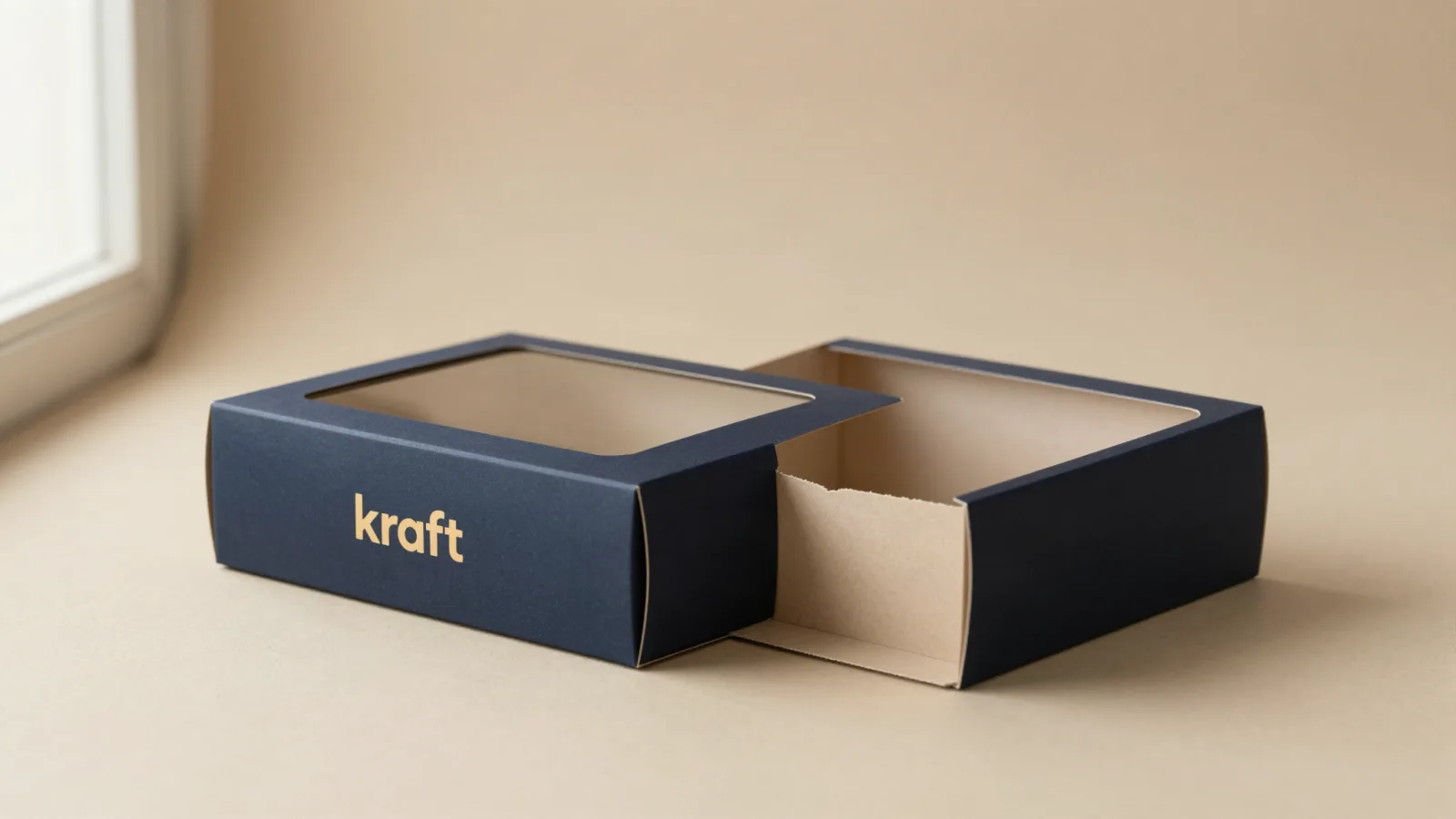
A candy box needs a window when product visibility is part of the sale or presentation. The window should line up with the candy arrangement, wrapper, and front artwork, not sit wherever the panel has spare space. A printed front can work better when the assortment should stay enclosed or the package needs more room for names and flavor information.
Check the window against the folded box. Type set too close to a cut or score can become hard to read, and a window can remove more copy space than the flat file suggests. The proof should show the closed package and the open pack-out.
Which finish fits a custom candy box?
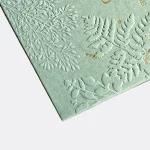
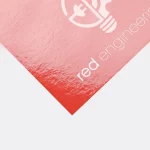
Matte lamination reduces glare and gives the printed surface a quieter look. Gloss lamination produces a brighter surface and makes saturated color appear more reflective. Foil adds a metallic area, while embossing raises paper and debossing presses it down. These treatments need room in the artwork and should be checked around scores, folds, windows, and glue tabs.
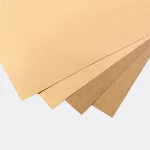
Kraft board changes the base color of the package, while white board keeps the printed palette more predictable. Digital printing puts artwork directly onto the sheet and suits short runs; offset printing uses plates and can be compared for larger quantities. The quote discussion should match the process, board color, ink coverage, and finish to the selected box.
What should the candy box proof show?
The digital proof should show the closed box, the open pack-out, the window position, the fold lines, and every visible printed panel. Check the logo and product name at the scale they will have on the box. Check the candy arrangement inside the cavity, too.
Low-resolution art can look acceptable on a screen and break down in print. RGB artwork can shift when it is converted for press, and missing bleed can leave a sliver of unprinted board at a cut edge. Free design support is available if the file needs a dieline or panel review.
Which candy box examples can you compare?
Use small candy boxes to discuss a compact footprint, movie candy boxes to review a bold front-panel direction, and Valentine candy boxes to compare occasion-led artwork. The embossed tin box is a separate material reference when the team is comparing a paper box with a metal package.
These catalog pages help name the direction. They do not set the new box dimensions or replace a project-specific proof.
What terms apply to a custom candy box order?
The MOQ is 100 units. Pricing is from $0.49 per unit at volume, quoted to spec. Production is typically 8 to 10 business days after proof approval, plus delivery. The clock starts after proof approval, not when the first idea is sent.
Free US shipping and free design support are available. Order the $19.99 sample kit to compare physical surfaces before the structure is approved, or review custom packaging solutions when the candy box brief is ready.
How do pick-your-own candy boxes keep mixed pieces organized?
A counted compartment grid keeps wrapped pieces in position and gives the packer a repeatable fill pattern. Measure the widest wrapper seam, the tallest piece, and the complete assortment rather than one unwrapped candy. Add clearance for paper cups, cards, or dividers that remain in the package. When contents may touch the package, ask us about food-contact options for the intended use.
Kraft board commonly runs 18 to 24 pt for folding cartons, while a clear PET window is commonly 0.2 to 0.3 mm. The board caliper affects fold resistance and cavity shape. The window thickness affects the patching step and needs a bonding margin outside the visible opening.
| Assortment format | Useful construction | Pack-out control |
|---|---|---|
| Loose wrapped pieces | Straight tuck end with paperboard divider | Set each cavity from the widest wrapped piece |
| Candy bars | Reverse tuck end or sleeve | Check bar stack height and wrapper seams |
| Gift assortment | Two-piece rigid box with tray | Leave finger access for removal |
| Counter pickup | Crash-lock bottom carton | Load-test the pre-glued base with the complete assortment |
Can you build your own candy box online before final artwork?
An online layout can establish piece count, viewing area, and panel priorities, but production still depends on measured dimensions and a cut-and-score template. Start with a top view of the packed assortment, identify the front panel, and mark the opening path. The visual concept should then be converted into panels, flaps, glue areas, and scores that can fold around the real pack-out.
Browse the food packaging collection to name the general format. Candy bar boxes provide a long-form carton reference, while candy boxes with a window show how visibility changes the front panel. Candy favor boxes give a compact gifting reference. None of these catalog shapes supplies dimensions for a new assortment.
Which construction works for a create-your-own candy assortment?
Crash-lock bases suit heavier hand-packed assortments because the pre-glued bottom locks as the carton opens. Straight tuck ends place the top and bottom flaps in the same direction, while reverse tuck ends place them in opposite directions. A sleeve exposes an inner tray in stages, and a two-piece rigid format separates the lid from the base. Choose by loading sequence, removal path, and whether the package must arrive flat.
What should be tested before a pick-your-own candy box is packed?
A loaded mockup should be lifted, opened, closed, tilted, and repacked with the full assortment. Look for wrappers caught by a divider, pieces hidden behind the window border, and bottom panels that bow under concentrated weight. Check that small type remains clear of cuts and scores. A sample kit can help compare physical board and surface choices before the final construction is selected.
Frequently Asked Questions
What can you choose when you build your own candy box?
When you build your own candy box, you can brief the size, window style, finish, artwork, and candy pack-out. Include wrappers, trays, dividers, cards, or sleeves that stay inside the box. The final construction follows the measured product arrangement and the digital proof approved for the project.
Can a custom candy box include a window?
A custom candy box can include a window when product visibility is part of the presentation. The brief should identify the viewing panel, visible candy area, product position, and artwork space. If the package may touch the contents, ask about food-contact options for the intended product before proof approval.
How should candy fit and pack-out be described?
Candy pack-out should be described from the filled box, not from an empty sample. State the candy dimensions, wrappers, sleeves, trays, dividers, cards, and whether pieces are loose, grouped, layered, or separated. Those details give the dieline and insert discussion a real clearance target.
What finishes can a custom candy box use?
A custom candy box can be discussed with matte or gloss lamination, foil, embossing, or debossing. Matte reduces glare, gloss creates a brighter surface, foil adds a metallic area, and embossing or debossing changes the paper surface. The chosen treatment must fit the artwork, scores, folds, and window.
What terms apply to a custom candy box project?
A custom candy box project has a 100-unit MOQ. Pricing is from $0.49 per unit at volume, quoted to spec. Production is typically 8 to 10 business days after proof approval, plus delivery. Free US shipping, free design support, and a $19.99 sample kit are available.