














































What corrugated box size fits your packed product?
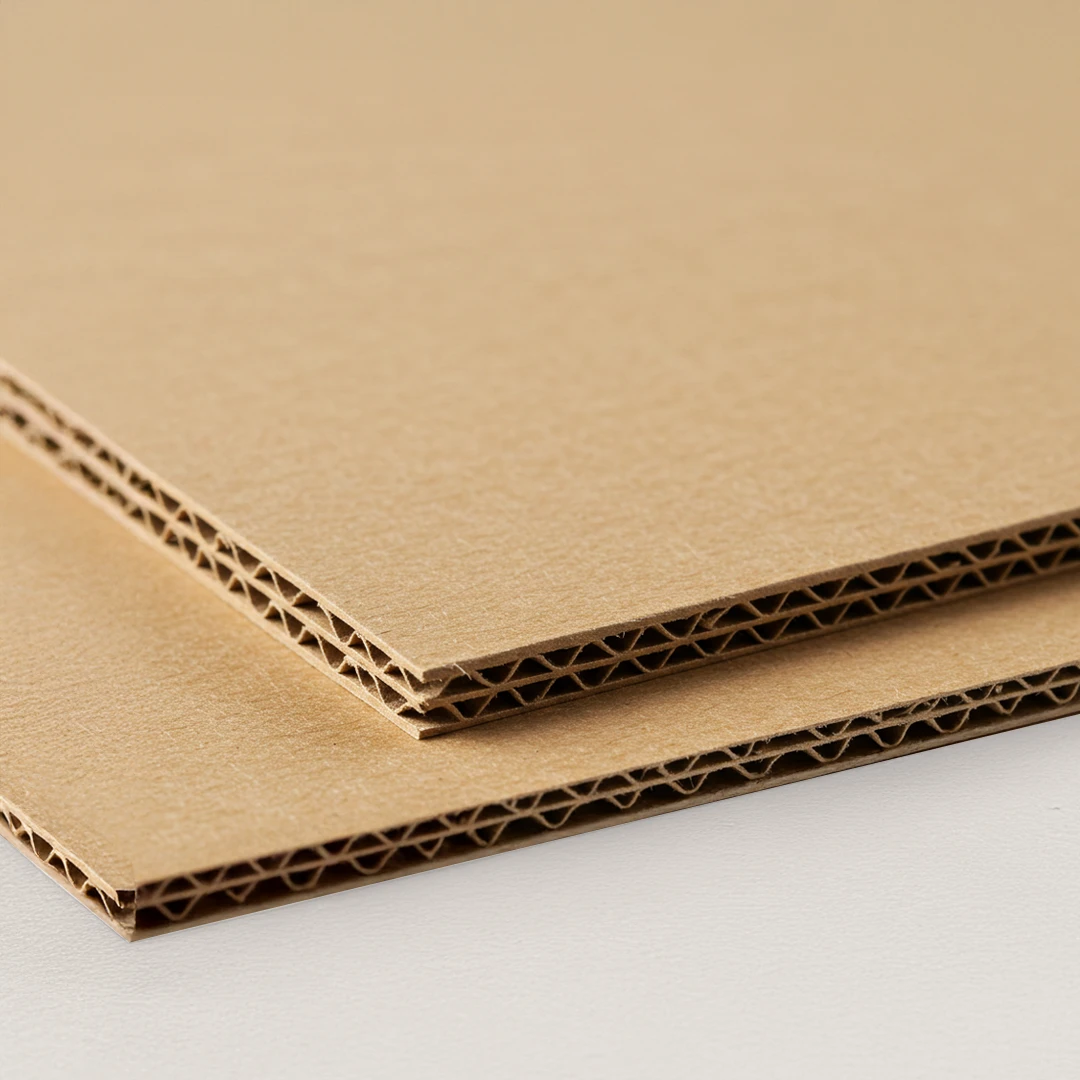
The right corrugated box size is the inside size that fits the final packed product, insert, card, and closure without leaving a loose or forced packout. Corrugated board has a fluted paper layer between liner sheets, and the finished wall takes space away from the outside measurement. Use inside dimensions in width x depth x height order when you start the quote.
| Inside planning size | Millimeter equivalent | Useful starting point |
|---|---|---|
| 6 x 4 x 4 in | 152 x 102 x 102 mm | Small parcel or compact accessory pack |
| 8 x 6 x 4 in | 203 x 152 x 102 mm | Accessory bundle or short mailer |
| 12 x 9 x 4 in | 305 x 229 x 102 mm | Flat product or branded fulfillment pack |
| 16 x 12 x 6 in | 406 x 305 x 152 mm | Mixed order with an interior insert |
| 18 x 14 x 8 in | 457 x 356 x 203 mm | Larger packed order or organized set |
These are inside planning dimensions, not a substitute for a packout check. Use the row closest to the product, then confirm the insert, folded materials, closure, and shipping role before the dieline is approved.
How should you measure a custom corrugated box?
Measure the product in the position it will occupy after packing, then add the footprint and height of every insert, sleeve, card, and secondary package. Do not measure only the product by itself when the customer will receive a bundled order. Record whether the dimensions are inside or outside dimensions before sending them.
Next, describe the closure and the surface that needs printing. A top panel on a mailer may face the customer, while a shipping carton may need a label area and a repeatable packout. This detail keeps the box size, artwork, and fulfillment discussion tied to the same finished object.
What is the difference between a corrugated mailer and a shipping carton?
A custom corrugated mailer is usually the customer-facing package and the shipping path in one structure. A custom corrugated shipping box is usually scoped around the movement of a packed order, a product group, or an outer carton role. Both need an inside size, but the mailer adds an opening sequence and branded panel plan.
Review custom corrugated mailer boxes when the customer will open the corrugated package directly. Compare corrugated boxes when the job centers on a broader carton role. State which layer the box occupies before comparing sizes.
How does flute choice affect a corrugated box?
Flute choice changes wall profile, print surface, cushion, and stacking behavior. A flute is the wavy paper layer between the liner sheets. E-flute is thinner and supports finer printed detail. B-flute is thicker and provides more cushion. C-flute is thicker again and is often selected for larger shipping cartons. Typical calipers vary by mill, so the chosen flute belongs in the specification and proof review.
Do not select a flute from the outside dimensions alone. Check the product weight, insert position, stacking path, and printed panel. A mailer that needs a clean front panel may call for a different flute discussion from an outer shipping carton.
How should custom printed corrugated boxes be proofed?
Custom printed corrugated boxes should be proofed with the panel orientation, scores, cuts, glue tabs, bleed, and opening direction visible. RGB artwork can shift when it is converted for press. Type or barcodes too close to a score can become difficult to read after folding. Check the top, front, side, and interior panels against the finished box orientation.
At a press check, compare solid ink coverage, fine type, and the selected matte or gloss surface with the approved digital proof. Free design support can help organize the artwork brief, but the final proof still needs a packout check with the real product and insert.
When should you use a foam box insert?
Use a foam box insert when the product needs a defined position and the packout must control movement inside the corrugated box. The insert footprint and height belong in the box dimensions from the first draft. A cutout that follows the product shape too tightly can slow packing, while a loose cavity can let the product move.
Review custom foam box inserts when the interior needs that structure. Send the product dimensions, orientation, insert plan, artwork status, quantity, and destination so the box and insert are discussed as one packout.
What should a custom corrugated quote include?
A custom corrugated quote should include inside dimensions, product packout, carton role, flute direction, closure, insert plan, artwork status, quantity, and destination. The MOQ is 100 units. Pricing is from $0.49 per unit at volume, quoted to spec. Production is typically 8 to 10 business days after proof approval, plus delivery.
Free US shipping and free design support are available. The $19.99 sample kit can give the team a physical reference before final proof approval, and it is credited toward the first order. For a broader format route, visit custom packaging solutions.
What if I searched for a custom box manufacturer in LA?
A location-based search still needs the actual product, inside dimensions, packout, artwork status, quantity, and destination. Custom Packaging Lane is a US-based packaging supplier, so send the project details rather than relying on a generic location phrase. The useful comparison is the size, structure, proof, and delivery plan for the box you need.
Frequently Asked Questions
How much space should I leave inside a corrugated box?
The space inside a corrugated box should fit the packed product, insert, card, and secondary package in their final positions. There is no useful universal gap for every packout. Send the product arrangement and insert plan so the inside dimensions and closure can be checked against the actual box.
What do width, depth, and height mean on a box size chart?
On a corrugated box size chart, width, depth, and height describe the inside planning dimensions in that order. Confirm whether a supplier is quoting inside or outside measurements, then include the packed product, insert, closure, and wall thickness in the project brief.
Is E-flute or B-flute better for a corrugated mailer?
E-flute is thinner and supports finer printed detail, while B-flute is thicker and provides more cushion. The better flute for a corrugated mailer depends on the product, print surface, insert, and shipping role. Review the finished packout and panel orientation before choosing.
Can corrugated mailer boxes include foam inserts?
Corrugated mailer boxes can be planned with foam inserts when the product needs a defined position inside the mailer. Include the product shape, orientation, insert footprint, and height before the dieline is drawn. The insert should be checked with the actual box closure and opening action.
What MOQ and timing apply to custom corrugated boxes?
The MOQ for custom corrugated boxes is 100 units. Pricing is from $0.49 per unit at volume, quoted to spec. Production is typically 8 to 10 business days after proof approval, plus delivery. Free US shipping and free design support are available.