


























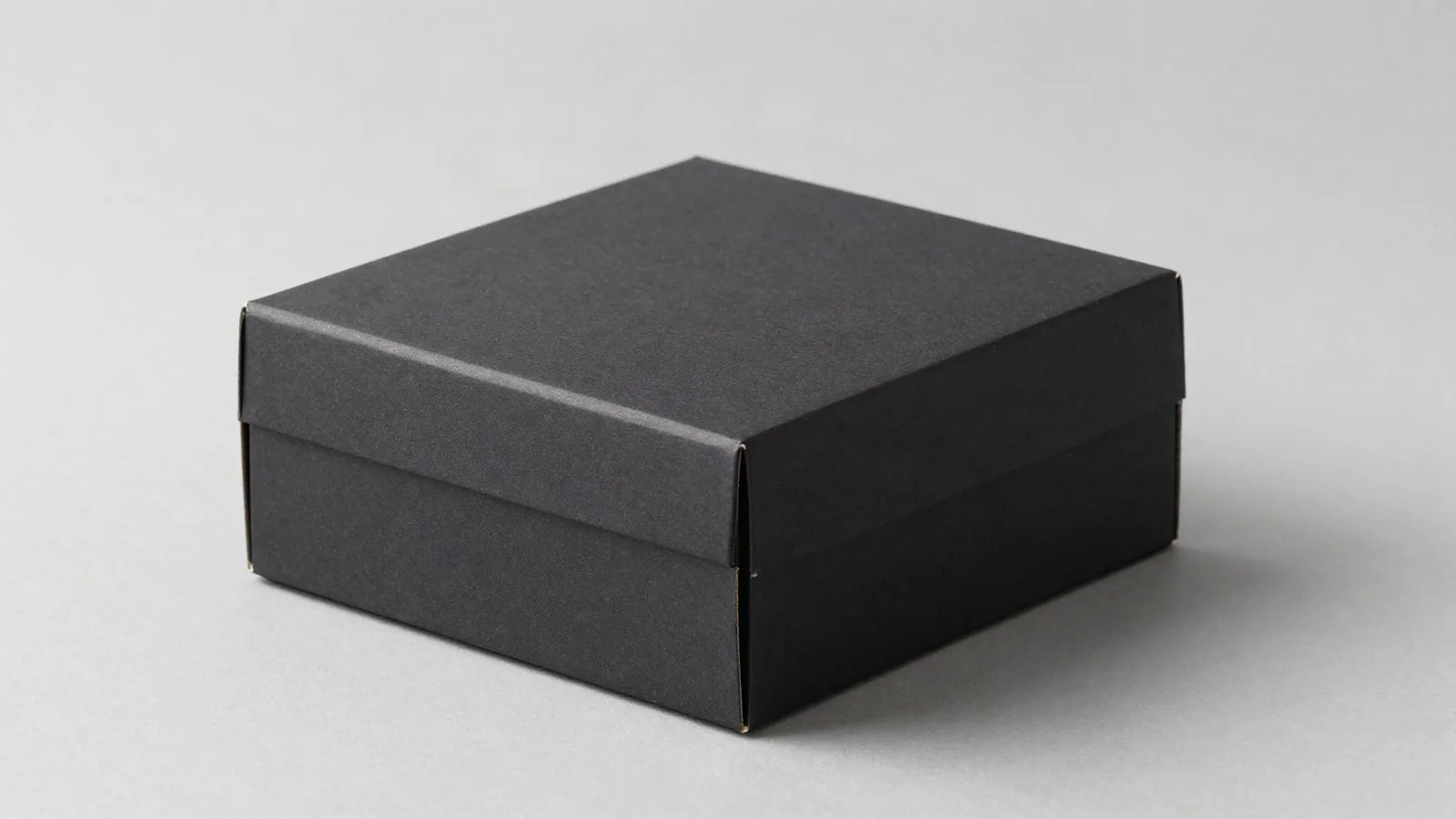



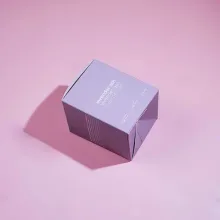
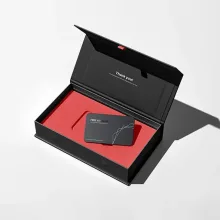
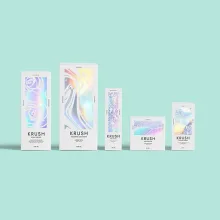
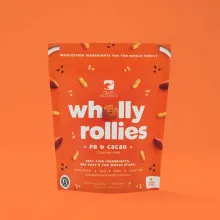




































Cosmetic rigid boxes are chipboard structures wrapped in printed paper. The chipboard gives the box a fixed shape without a fold, while the wrap carries the printed exterior. A rigid box can hold one product, a set, or an arranged interior, but the structure should follow the product dimensions and opening sequence.
Which cosmetic rigid box format fits the product?
Choose the structure by the product footprint, opening sequence, and interior support. A sleeve and tray creates a separate outer sleeve and inner tray. A magnetic closure adds a lid movement and closure point. An insert fixes product position inside the box. A plain rigid printed box leaves fewer structural parts to coordinate.
| Rigid format | Useful starting point | Proof checkpoint |
|---|---|---|
| Rigid printed boxes | Direct printed presentation with a fixed outer shape | Do the panels, folds, and product position read correctly? |
| Rigid boxes with sleeve and tray | Separate sleeve, tray, and opening sequence | Does the tray enter and leave the sleeve cleanly? |
| Rigid boxes with magnetic closure | Lid movement with a defined closure point | Does the lid close over the product without shifting? |
| Custom rigid boxes with inserts | Organized interior placement for one product or a set | Does the insert hold every component in the intended position? |
Custom Packaging Lane's rigid catalog also includes a custom rigid box presentation and custom rigid boxes with lids. Use those pages to compare structures, then send the assembled product dimensions and opening sequence. A catalog name is a starting point. The product fit decides the construction.
How should a rigid box finish be chosen?
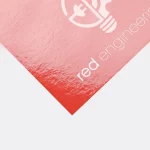
Choose the finish after the structure and artwork direction are clear. Matte lamination cuts glare across a handled surface. Gloss lamination reflects more light and changes how printed color reads. Spot UV places a hard gloss only on selected areas, while foil adds a metallic area that needs clean artwork and careful registration.
Review the outside, inside, lid, tray, and sleeve together if the box has more than one printed surface. Keep product naming and variant information away from scores, folds, magnets, and tray edges. A digital proof should show the complete closed and open presentation before anything prints.
How should inserts be measured for cosmetic rigid boxes?
Measure the assembled product and every component before choosing an insert. An insert is interior support that holds products in planned positions inside the box. Record each component's footprint, height, orientation, and intended clearance. If the insert is cut to the exact product size, small dimensional changes can make loading difficult. If it is too loose, the product can move during handling.
Send the product arrangement, not only the empty box dimensions. A set with several components needs an insert layout that shows what sits beside, above, or below each piece. Check the assembled insert in the digital proof and confirm that the lid, sleeve, or tray still closes around it.
What changes with a sleeve, tray, lid, or magnetic closure?
Each added part changes the assembly path and the artwork surfaces. A sleeve and tray needs a clear entry direction and enough tray pull space. A lid needs a hinge or fold line that keeps the outside art aligned. A magnetic closure needs the lid, base, and closure point to meet in the closed position. Review the opening sequence with the actual product inside.
What are the MOQ, pricing, and production terms?
Custom Packaging Lane cosmetic rigid boxes use a 100-unit MOQ. Pricing is from $0.49 per unit at volume, quoted to spec. Production is typically 8 to 10 business days after proof approval, plus delivery. The quote follows the rigid structure, dimensions, printing, finish, inserts, and quantity.
Free US shipping and free design support are available. The clock starts at proof approval, not at order. Review the structure, dimensions, artwork, finish, and interior arrangement before approving the proof.
What should a cosmetics brand send for a quote?
Send the product dimensions, assembled contents, quantity, preferred rigid format, artwork status, finish direction, insert requirements, and delivery destination. If the package needs more than one component, show the intended arrangement. The $19.99 sample kit can help compare physical packaging directions and can be credited toward the first order.
Use custom packaging design when the structure and artwork need to be discussed together. Free design support includes drawing the dieline and sending a digital proof before anything prints. Send the product dimensions first.
Frequently Asked Questions
Why use a rigid box for cosmetics?
Cosmetic rigid boxes use chipboard wrapped in printed paper, so the package keeps a fixed shape without a fold. That structure gives the outside, lid, tray, and interior support a defined relationship. Rigid boxes suit single products, arranged sets, and giftable presentations when the product dimensions and opening sequence support the selected format.
How should an insert fit inside a cosmetic rigid box?
A cosmetic rigid box insert should hold each product and set component in its planned position with enough clearance for loading and removal. An insert is interior support inside the box. Send the assembled product dimensions, component arrangement, orientation, and intended clearance so the insert can be quoted and checked in the digital proof.
What finish can be used on cosmetic rigid boxes?
Cosmetic rigid boxes can be discussed with matte lamination, gloss lamination, spot UV, or foil, depending on the selected material, structure, and artwork. Matte reduces glare, gloss reflects more light, spot UV adds localized gloss, and foil adds a metallic area. Custom Packaging Lane quotes the finish to the project specification.
How do sleeve and tray boxes differ from magnetic closure boxes?
Sleeve and tray cosmetic rigid boxes use a separate outer sleeve and inner tray, so the proof must show the tray entry and pull direction. Magnetic closure boxes use a lid and defined closure point, so the proof must show how the lid meets the base. Product dimensions and opening sequence decide the better format.
What are the order terms for cosmetic rigid boxes?
Custom Packaging Lane cosmetic rigid boxes use a 100-unit MOQ. Pricing is from $0.49 per unit at volume, quoted to spec. Production is typically 8 to 10 business days after proof approval, plus delivery. Free US shipping and free design support are available, and the $19.99 sample kit can be credited toward the first order.