






























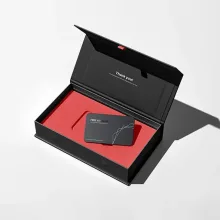

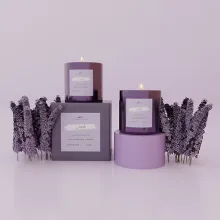
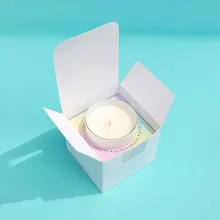






































Custom boxes in Lafayette, Indiana begin with the packed item, not the city in the query. Send the product dimensions, how it sits in the package, the opening preference, and the destination. A bottle, candle, vial, garment, and shipped order each place different demands on the box. The first useful brief names the product, structure, material, artwork status, finish, quantity, packout, and shipping role.
What should Lafayette buyers measure before requesting a box?
Inside dimensions are the fit reference for the product cavity. Write length x width x depth, then label each measurement as inside or outside. A dieline is the flat cutting template that shows the panels, scores, cut lines, glue tabs, and bleed. About 1/16 inch, or 1.5 mm, is a common planning tolerance, but the loaded product decides the final clearance. Include inserts, labels, tissue, wraps, and accessories in the measurement.
Which structure fits retail or parcel use?
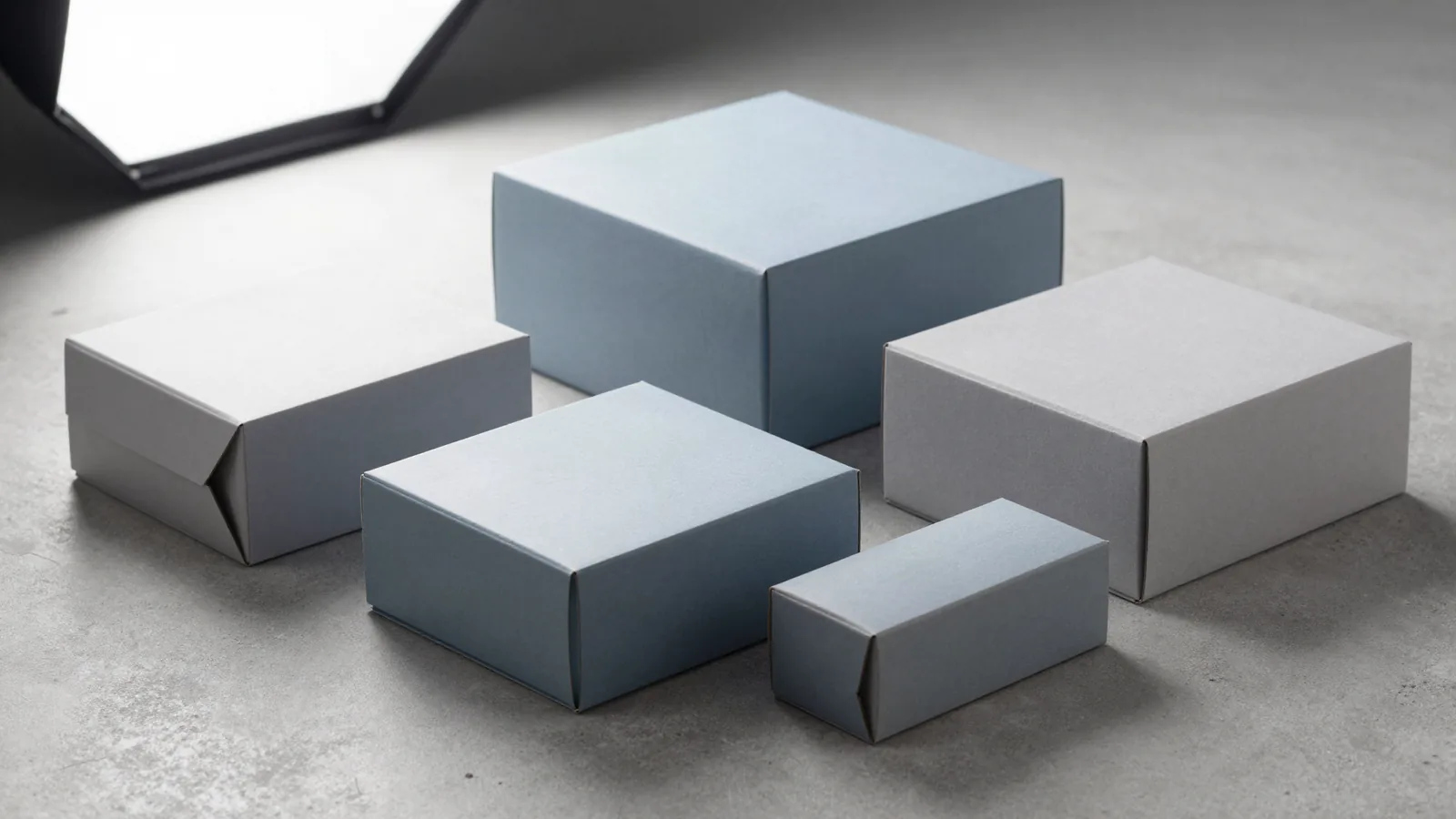
A tuck-top mailer suits direct-ship presentation, while a folding carton suits lighter retail formats. FEFCO 0427 is a common reference for a roll end tuck top mailer style. Straight tuck end and reverse tuck end cartons are familiar folding structures. Auto-lock and crash-lock bottoms are commonly considered when the base needs more support or faster setup.
| Use case | Structure to compare | Fit question |
|---|---|---|
| Direct-ship presentation | Tuck-top mailer or FEFCO 0427 style | Does the closure stay engaged? |
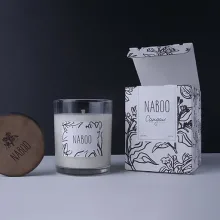
| Bottle or candle presentation | Folding carton, insert box, or rigid format | Does the cavity support orientation? |
| Small-format product | Vial box or compact tuck box | Does the product stay grouped? |
| Apparel or soft goods | Mailer, sleeve, or folding carton | Does the folded volume fit? |
Test the closed box as well as the open box. Closure tension, glue flaps, insert depth, and empty space can change how the package packs and travels.
How do board and finish choices change the result?
SBS, C1S, and C2S paperboard are commonly discussed in the 12 to 24 pt range for folding cartons. Kraft board commonly falls around 18 to 24 pt. Rigid packaging commonly uses 1.5 to 3 mm chipboard wrapped in 100 to 157 gsm art paper. Corrugated work may use E, B, or C flutes, with 32 ECT as a common strength reference. Product weight, stacking, box size, fold pattern, and parcel exposure determine the practical direction.
Offset CMYK is common for detailed paperboard graphics, digital printing is often considered for short runs, and flexo is commonly used for corrugated. Matte or gloss lamination changes reflection. Soft-touch changes the hand feel. Spot UV, foil stamping, embossing, and debossing need room around folds, seams, and small type. A PET window around 0.2 to 0.3 mm is a common reference when product visibility belongs in the design.
Which product examples match a Lafayette brief?
Product pages make a first request easier to describe. Custom woozy bottle boxes fit a bottle-led discussion about clearance and support. Custom votive candle boxes give a candle project a structure and finish reference. Custom vial boxes frame compact cylindrical fit. Custom undergarments boxes help describe folded soft goods. A custom tuck-top mailer box keeps parcel closure and outside dimensions in view.
How should a Lafayette quote request describe the job?
A quote should list the product, packed dimensions, weight if known, quantity, intended use, structure, material direction, print coverage, finish, tooling, insert or window, artwork status, delivery location, and shipping assumptions. Standardize the measurement convention before requesting comparisons. If the package will move from a retail display into parcel fulfillment, describe both the open presentation and the closed-box footprint.
Ask which board caliper, structure, print method, finish, tooling, and shipping assumptions are included. If any surface will touch food, ask us about food-contact options. The custom packaging solutions hub is useful when several formats need to be compared.
What is the clean next step for Lafayette buyers?
Send the finished brief with the product, fit, structure, artwork, finish, packout, quantity, and destination. Custom Packaging Lane quotes custom boxes from a 100-unit minimum, with pricing from $0.49 per unit at volume, quoted to spec. Production is typically 8 to 10 business days after proof approval, plus delivery. Free US shipping, free design support, and a free dieline are available. The $19.99 sample kit is credited toward the first order. Confirm the final construction in the approved proof.
Frequently Asked Questions
Do Lafayette box quotes need inside and outside dimensions?
Lafayette box quotes should include both when the outer package affects shipping or packout. Inside length, width, and depth define product fit, while outside dimensions describe the closed package. Label the two sets clearly and include inserts, wraps, labels, accessories, and clearance so the dieline reflects the loaded product.
Is FEFCO 0427 suitable for a Lafayette mailer request?
FEFCO 0427 is a common reference for a roll end tuck top mailer style. Lafayette buyers considering that construction should still provide product dimensions, packed weight, closure preference, insert requirements, outside dimensions, and delivery role. The reference identifies a structure, not a universal size or fit.
Which materials can suit a bottle, candle, or apparel box?
Bottle and candle projects can compare folding cartons, insert boxes, rigid formats, and corrugated structures. Apparel projects can compare mailers, sleeves, and folding cartons. SBS, C1S, and C2S paperboard commonly fall in the 12 to 24 pt range, while rigid chipboard commonly measures 1.5 to 3 mm.
Which finishes can appear on a custom Lafayette box?
Custom Lafayette boxes can compare matte or gloss lamination, soft-touch, spot UV, foil stamping, embossing, debossing, and window patching. Offset CMYK, digital printing, and flexo suit different substrate and run choices. Keep finish boundaries away from folds, glue zones, barcodes, and small type.
How should a Lafayette delivery request describe the shipment?
A Lafayette delivery request should state the destination, product box, outer carton, packout, outside dimensions, packed weight if known, and parcel role. Separate the customer-facing box from the shipping carton. That distinction keeps product fit, presentation, carrier assumptions, and the final quote tied to the right package.