
















































































What makes a designer mailer box feel intentional?
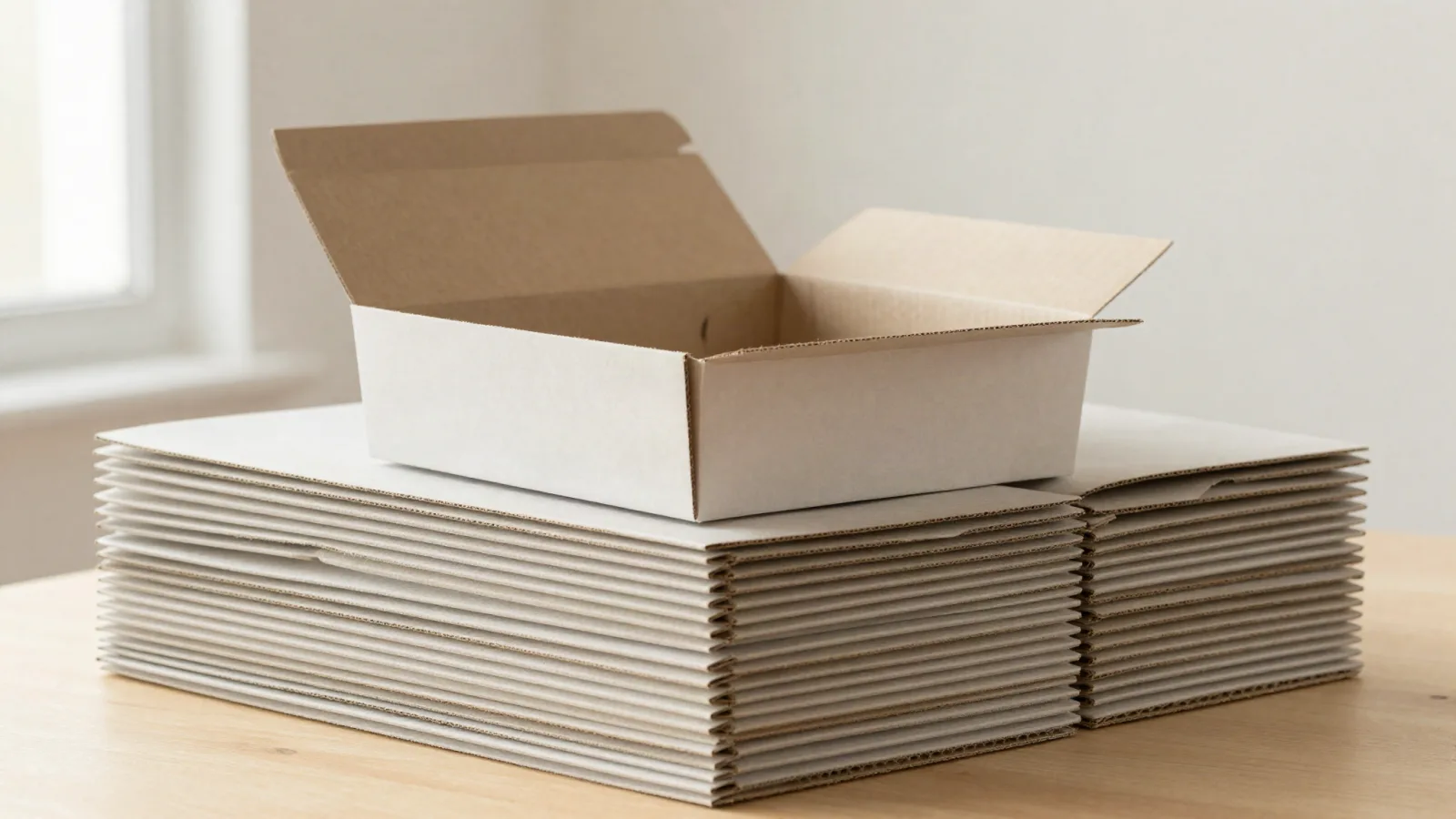
A designer mailer box feels intentional when its outer panels, closure, interior, and product fit follow one visual plan. A mailer box is a folding box with a built-in closing panel, so the design continues across scores and flaps instead of stopping at the front face.
Begin with the packed product. Mark the first-open view, the panel that carries the logo, and any copy the buyer must see before removing the product. Then decide whether the inside stays quiet, repeats the outer pattern, or carries a short message. The custom packaging design page can help organize that brief before the proof.
Which mailer structure should carry the design?
Choose a tuck-top mailer for a direct lid path, a subscription mailer for repeat shipments, a mailer with an insert when product placement needs control, and a luxury mailer when the box itself needs a firm presentation surface.
| Mailer option | Design job | Check before approval |
|---|---|---|
| Tuck-top mailer | Put the first message on the lid or front panel | Confirm the opening view and logo position |
| Subscription mailer | Keep the brand system repeatable across shipments | Check how variants change the artwork |
| Mailer with insert | Hold the product and supporting pieces in place | Check the insert footprint and removal path |
| Luxury mailer | Give the opening a firm presentation surface | Check the wrap, folds, and inside message |
How do color and finish shape the opening?
Color controls the first view, while finish controls glare, contrast, and hand feel.
Matte reduces reflection. Gloss increases reflection. Soft-touch changes hand feel. Foil creates a reflective accent, while embossing and debossing change the surface height. Use a finish where it has a job, such as keeping the logo visible or separating a lid message from a background pattern.
Custom full colour mailer boxes suit artwork built around a broad palette or illustration. Custom kraft mailer boxes can keep the board surface visible, so the print plan needs to account for that base color. Custom luxury mailer boxes give the design a firm surface for the opening sequence.
How should an insert fit inside a designer mailer box?
An insert should hold the product in a repeatable position and leave a clear removal path.
An insert is an internal piece that positions the product or supporting pieces inside the mailer. A loose insert lets the product move. A tight insert slows packing and can catch on the box edges. Show the insert footprint, fold direction, and clearance in the proof. Keep insert edges away from the first-open message and the logo.
Which mailer products should I compare?
Compare mailer products by the job the structure needs to do, not by the name alone.
Custom tuck top mailer boxes give the lid a clear opening path. Custom subscription mailer boxes keep the same brand system in view across recurring shipments. Custom mailer boxes with insert give the interior plan a defined starting point.
What should a designer mailer box quote include?
A designer mailer box quote should name the structure, packed dimensions, board, print coverage, finish, insert, quantity, and delivery destination.
Digital printing uses no plates and suits shorter runs or changing artwork. Offset printing uses plates and suits repeat artwork when the design stays stable. Ask which print path is in the quote, especially when a large solid panel or fine type matters.
A dieline is the flat cutting template that shows panels, scores, cuts, glue tabs, and bleed. Free design support can draw the dieline from the packed product, then send a digital proof before anything prints. The MOQ is 100 units. Pricing is from $0.49 per unit at volume, quoted to spec. Production is typically 8 to 10 business days after proof approval, plus delivery. Free US shipping and free design support are available. The $19.99 sample kit is credited toward the first order.
What should I check in the digital proof?
Before approval, check the dieline, scores, glue tabs, bleed, logo placement, product fit, and first-open view.
Low-resolution art stays soft. RGB, the red, green, and blue screen color model, can shift when converted for press. Bleed is artwork that extends past the cut line; without it, a small white edge can appear after trimming. Keep type away from scores and glue tabs, and make sure the insert does not hide the first message.
Frequently Asked Questions
What defines a designer mailer box?
A designer mailer box combines a folding mailer structure with planned artwork, color, finish, closure, and interior presentation. The design should account for the first-open view, product fit, scores, and insert placement. Custom Packaging Lane can draw the dieline and send a digital proof before anything prints.
Should I choose a tuck-top or subscription mailer?
Choose a tuck-top mailer when the lid and front panel need a direct opening path. Choose a subscription mailer when the same brand system must carry through recurring shipments. Product fit and opening order still decide the structure, so provide packed dimensions before approving the design.
Can a designer mailer box include an insert?
A designer mailer box can include an insert that positions the product or supporting pieces inside the box. The insert footprint, fold direction, and removal path should appear in the digital proof. A loose insert lets the product move, while a tight insert can slow packing and catch on the box edges.
How much are designer mailer boxes and how long do they take?
Designer mailer boxes use a 100-unit MOQ. Pricing is from $0.49 per unit at volume, quoted to spec. Production is typically 8 to 10 business days after proof approval, plus delivery. Free US shipping and free design support are available, and the $19.99 sample kit is credited toward the first order.
What files do I need for a mailer box proof?
For a mailer box proof, provide the packed product dimensions, artwork or brand references, preferred structure, print coverage, finish direction, and insert requirements. RGB artwork can shift when converted for press, so the digital proof should show the approved color, dieline, scores, glue tabs, bleed, and product fit.












