






























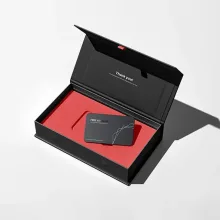
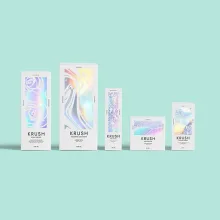




































A hair extension box needs to identify the product before the package is opened and keep that identity consistent across the assortment. An SKU, or stock-keeping unit, is the identifier for one sellable variant. The box record should connect the product name, shade, length, texture, collection, packed arrangement, artwork version, and selected finish. CPL's hair extension tuck boxes and custom hair extension boxes are direct starting points for that structure discussion.
How can a hair extension box keep a beauty assortment legible?
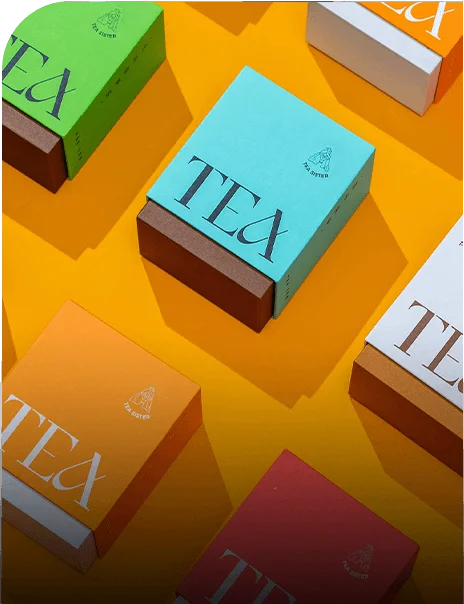
A hair extension box keeps an assortment legible when fixed brand elements stay in the same places and changing SKU information has a defined panel. Put the logo, product name, variant fields, and collection cue into the packaging brief before artwork begins. If one box moves the length from the front to the side, the line becomes harder to compare at a glance.
Write the product fields as they will appear on the package. Do not rely on a product spreadsheet that omits the packed arrangement, because the extension may be folded, bundled, or presented with a brand-supplied support piece. The artwork and structure need the same product reference.
Which package fields should stay fixed across a collection?
Keep the logo position, panel hierarchy, type treatment, opening language, and broad box direction consistent where the structure allows it. Let the product name, shade, length, texture, collection, and artwork version change by SKU. This fixed-versus-variable split gives the design team a repeatable file setup and gives the supplier a clear proof brief.
| Package field | Keep consistent | Change by SKU |
|---|---|---|
| Brand identity | Logo position and visual hierarchy | Variant label when the product changes |
| Product information | Panel location and type treatment | Name, shade, length, or texture |
| Box direction | Selected tuck, rigid, or display family where practical | Size or interior treatment when the packed product changes |
| Surface treatment | Finish direction across the line | Collection-specific artwork elements |
A box family can share rules without forcing every SKU into one size. The packed profile decides whether the same structure and interior treatment still fit.
How should each variant be tied to its box record?
Keep the product name, variant identifier, packed arrangement, box direction, artwork version, finish note, quantity, and delivery details in one record. That record is the handoff between the product team, artwork, purchasing, and packing. It also gives a reorder something precise to match.
- Use the customer-facing product name and variant identifier.
- State the selected tuck, rigid, display, or custom direction.
- Attach the current artwork version and approval owner.
- Record the finish and the surfaces where it appears.
- Keep quantity and delivery details beside the same project.
If a new shade or length is added, update the variable fields without moving the fixed brand fields unless the change is intentional. The digital proof should show the complete box, not only a front-panel screenshot.
How should size options be handled across hair extension SKUs?
Size options should follow the finished product profile rather than the product name alone. Record the extension arrangement, support piece, desired presentation, and information that must remain visible. If two SKUs pack differently, they may need different box sizes or interior treatment even when the artwork system is shared.
CPL's hair extension catalog includes size directions ready to customize. Share the packed dimensions and product arrangement with the free design support request so the dieline matches the actual package. A dieline is the flat template that shows panels, folds, scores, glue tabs, and cut lines before the box is made.
How can finish choices stay consistent across variants?
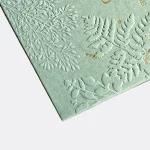
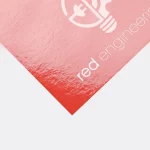
Write the finish into the collection brief: matte or gloss lamination, foil, embossing, debossing, spot UV, or a plain printed surface. Matte lamination reduces sheen, gloss lamination increases it, foil adds a reflective mark, embossing raises the surface, debossing presses it in, and spot UV creates a localized gloss area. The finish note should identify the panels it covers.
Review the brand panel, variant panel, and product presentation together. Low-resolution art, RGB files converted for press, missing bleed, or type too close to a score can create avoidable proof corrections. RGB files can shift when converted for press, so compare the proof to the approved color reference. CPL provides free design support, then sends a digital proof before anything prints.
What should decide the starting hair extension box format?
Hair extension tuck boxes are a direct folding-box reference. Custom hair extension boxes fit a broader structure discussion, and hair color boxes give an adjacent beauty-packaging reference for organizing names and variants. Use the packed extension profile as the deciding input.
For a branding-led route, see custom boxes with logo. CPL's minimum order quantity, or MOQ, is 100 units. Pricing is from $0.49 per unit at volume, quoted to spec. Production is typically 8 to 10 business days after proof approval, plus delivery. Free US shipping and free design support are included.
The $19.99 sample kit is credited toward the first order and can help compare physical box and finish directions before the collection artwork is final. The next step is to send the packed extension profile, SKU fields, artwork direction, and quantity for a dieline and digital proof.
Frequently Asked Questions
Can one hair extension box system support multiple SKUs?
Yes, one hair extension box system can support multiple SKUs when fixed brand elements stay consistent and variable fields are assigned clear locations. Keep the logo, panel hierarchy, type treatment, and finish direction steady, then change the product name, shade, length, texture, or collection. The packed product profile may still require a different size or interior treatment.
What box styles can a beauty brand compare for hair extensions?
Custom Packaging Lane lists hair extension tuck boxes and custom hair extension boxes as direct catalog directions. Rigid and display structures can also be discussed when the product needs a different presentation. Send the packed extension arrangement, visible SKU information, artwork, finish preference, quantity, and delivery details before selecting the final route.
How should a brand label hair extension variants?
A hair extension package should keep the product name and changing fields in a repeatable panel, including shade, length, texture, or collection when those fields apply. Keep the artwork version and approval owner with the same SKU record. This gives design, purchasing, packing, and reordering teams one consistent reference.
What is the MOQ and pricing for hair extension boxes?
The MOQ for hair extension boxes is 100 units. Pricing is from $0.49 per unit at volume, quoted to spec, with the final quote tied to the selected structure, size, artwork, finish, quantity, and delivery details. Free US shipping and free design support are included.
Can I review a physical direction before approval?
A $19.99 sample kit can help a beauty team compare box direction and surface feel before final artwork. It is credited toward the first order. The sample does not replace product-specific approval, so review the actual extension arrangement, SKU information, selected finish, and package structure on the digital proof before production begins.