




























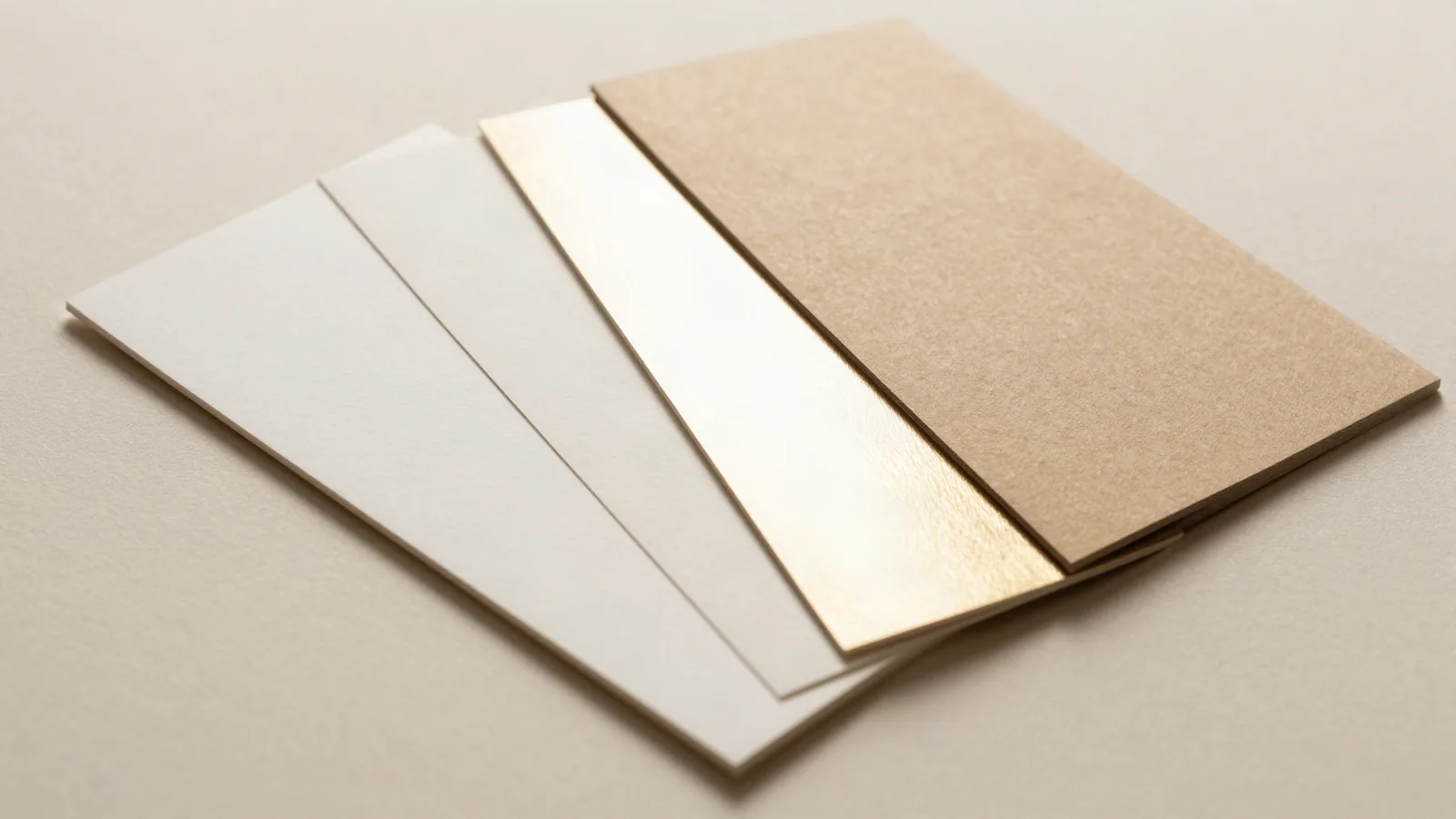




















































Moisture resistant carton board starts with the exposure path, not the coating label. Carton board is folding paperboard used for cartons. AQ, short for aqueous coating, is a water-based surface finish; poly-coat is a polymer-coated board direction; wax is a wax-coated or wax-laminated board direction. A water resistant carton coating reduces wetting on the treated area, but it does not seal every cut edge, score, seam, or closure on the assembled package.
How does a water resistant carton coating work?
A water resistant carton coating reduces wetting on a treated face, while the finished carton still exposes edges and converted joints. The coating can change how water sits on the printed surface, but cutting, scoring, folding, gluing, and opening create separate points to review. That is why the board treatment belongs in the carton specification rather than in a one-word material label.
Start by describing the exposure plainly. Humidity, condensation, a brief splash, damp handling, and repeated contact do not place the same demand on carton board. State which face sees the exposure and whether the product, insert, window, or liner sits against the interior surface.
Which is better, AQ, poly-coat, or wax?
AQ, poly-coat, and wax solve different surface problems, so the right choice follows the exposure and the way the carton will be converted.
| Treatment | What it is | Tradeoff to check |
|---|---|---|
| AQ | Water-based coating on the printed surface | Surface treatment, not a sealed edge |
| Poly-coat | Polymer layer on the carton board | Folds and glue areas need review |
| Wax | Wax-coated or wax-laminated board | Wax can affect printing and gluing |
AQ dries fast and usually works well with ink and glue on flaps, so it fits a carton brief focused on the visible printed surface. Poly-coat puts a polymer layer over the board, which can give the treated face a stronger moisture barrier, but the coating changes how folds and glue areas behave. Wax can shed brief moisture, while the waxed surface may create extra work around print and adhesive areas.
Why do cut edges, scores, and seams matter?
Cut edges, scores, and seams remain separate moisture paths even when the broad face has a coating. Die cutting exposes the board at the perimeter. Scoring compresses the sheet, then folding changes the surface again. A glue tab, tuck flap, window, or overlap can leave a section untreated or create a joint that needs its own review.
Send the flat dieline with the treatment request. A dieline is the cutting and folding template for the carton. It shows which panels receive print, where the scores sit, and how the closure meets the finished face. That drawing is more useful than a request for a generic water resistant box.
When should you switch from carton board to a bag?
Switch formats when the product needs a flexible barrier package rather than a folding carton. Custom cigarette carton boxes provide a carton-format reference. For flexible packaging, compare Mylar bags for freeze drying, custom smell-proof Mylar bags, and custom bags for business.
These formats are not interchangeable. A carton may suit retail presentation and a defined opening, while a flexible bag may place the barrier and closure closer to the product. The product, filling method, closure, display goal, and exposure should decide the format before a coating is chosen.
What should a material brief include?
A useful brief names the board, coating, exposure, and converted features before anyone selects a treatment.
- Product and packed dimensions, including any insert, tray, or window.
- Printed faces, interior face, exposed edges, and areas that may touch the product.
- Expected exposure, such as humidity, condensation, brief splash, or damp handling.
- Scores, folds, seams, glue tabs, tuck panels, closure, and opening sequence.
- Quantity, delivery location, and any food-contact question. Ask us about food-contact options for your product.
How do MOQ, quote, and timing work?
The MOQ is 100 units. Pricing is from $0.49 per unit at volume, quoted to spec. Production is typically 8 to 10 business days after proof approval, plus delivery. Free US shipping and free design support are available. CPL can draw the dieline and send a digital proof before anything prints.
Send the board preference, treatment direction, carton style, exposure path, artwork, quantity, and delivery location. Visit custom packaging solutions for the broader project starting point. Order the $19.99 sample kit when you need to compare board and surface directions before proof approval.
Frequently Asked Questions
What does water resistant mean on carton board?
Water resistant carton board has a surface treatment or added layer that reduces wetting on the treated area. The phrase does not mean every edge, score, seam, closure, or interior face is sealed. Board type, coating coverage, conversion details, and the actual exposure must be reviewed together before the finished carton is selected.
Is poly-coated carton board waterproof?
Poly-coated carton board should not be treated as automatically waterproof. Poly-coat describes a polymer layer on the board, but the assembled carton still has cut edges, folds, glue areas, seams, and openings. State the exposed faces and handling conditions so the coating can be discussed against the actual package rather than a broad label.
When would I choose AQ for a carton?
AQ, or aqueous coating, is a water-based surface finish that fits a carton brief focused on the printed face. It dries fast and usually works well with ink and glue on flaps, but it does not seal cut edges or converted joints. Describe the carton style, exposure path, folds, seams, and closure before choosing AQ.
Does wax affect carton folding and gluing?
Wax can affect carton folding, printing, and gluing because the waxed surface changes how ink and adhesive meet the board. Wax can shed brief moisture, but the treatment still needs review around scores, glue tabs, seams, and closure points. State the board, box style, printed faces, and exposure before selecting a wax direction.
What should I include in a coating quote?
A coating quote should include the product, packed dimensions, carton style, board preference, AQ, poly-coat, or wax direction, printed faces, exposure, folds, seams, closure, quantity, and delivery location. The MOQ is 100 units. Pricing is from $0.49 per unit at volume, quoted to spec, with production typically 8 to 10 business days after proof approval, plus delivery.












