

























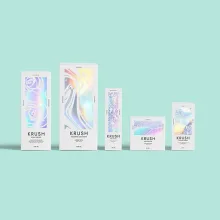
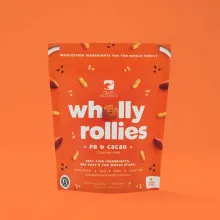
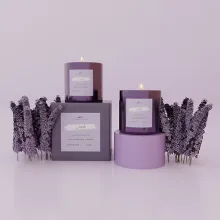
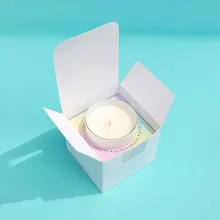



































What are the main types of box coatings?
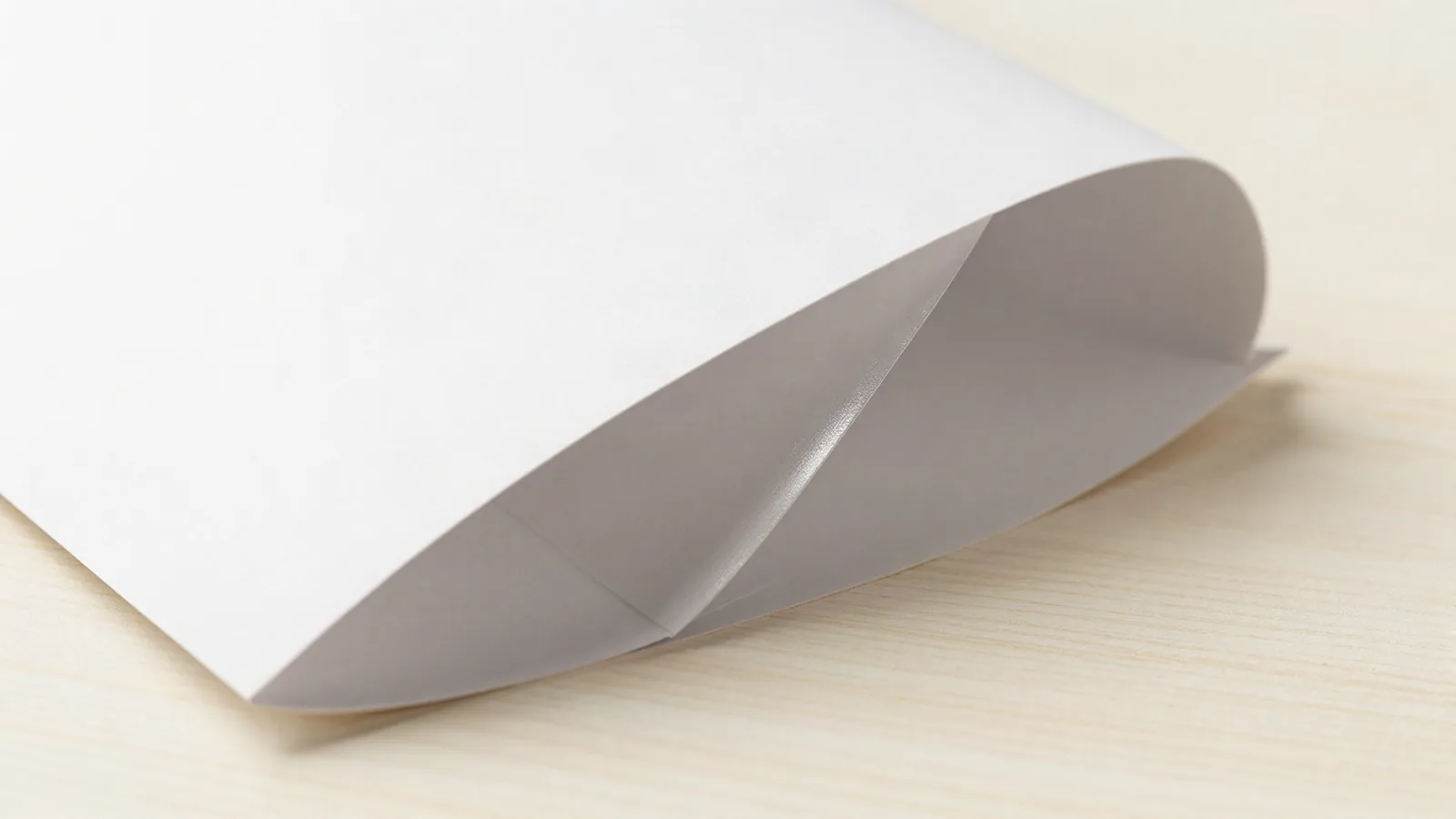
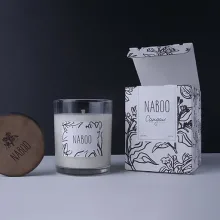
The main types of box coatings are aqueous, UV, matte, gloss, soft-touch, and spot UV. A coating is a liquid layer applied to the printed sheet, while matte and gloss describe surface appearance and spot UV describes a coating applied to selected artwork.
An aqueous coating is water-based, dries fast, costs less per sheet than UV coating, and takes glue and ink well on flaps. UV coating cures hard and glossy. It resists scuffing better than aqueous coating, but it can crack along score and fold lines and is harder to write on. A matte surface lowers glare. A gloss surface reflects more light and can make printed color look deeper. Soft-touch adds a rubber-like hand feel.
| Finish | How it behaves | What to check |
|---|---|---|
| Aqueous coating | Water-based, fast-drying surface layer | Glue flaps, ink coverage, and fold lines |
| UV coating | Hard, glossy surface with better scuff resistance than aqueous coating | Scores, folds, and writing areas |
| Matte laminate | Separate film with low sheen | Glare, dark artwork, folds, and edges |
| Gloss laminate | Separate film with reflective sheen | Color contrast, fingerprints, and score lines |
| Soft-touch laminate | Separate film with a soft hand feel | Rub marks, creases, and opening feel |
| Spot UV | Glossy UV only on selected artwork | Registration, fine detail, and scores |
The table shows the mechanism and the practical check. A finish still has to match the board, print coverage, folds, glue tabs, and package use.
How does aqueous coating compare with UV coating?
Aqueous coating takes glue and ink better on flaps and stays easier to fold. UV coating gives a harder glossy surface and resists scuffing better, but the cured layer can crack where the board bends.
Choose between them from the box construction, not from a screen image alone. A digital proof shows artwork placement, but it cannot reproduce the full hand feel. A press check looks at ink coverage, fine type, score position, glue tabs, and the finish on the printed sheet.
What is the difference between a coating and a laminate?
A coating is applied to the printed sheet as a liquid layer. A laminate adds a separate film after printing. The film changes the hand feel, edge behavior, and way a score opens, so the proposed construction belongs on the dieline and quote.
Digital printing is often used for shorter custom runs because it avoids plates. Offset printing uses plates and can make sense when the quantity and ink coverage justify setup. The print method affects the finish, so name the board, artwork coverage, and print method before proof approval. Foil is a separate embellishment, not a coating. It adds metallic detail to selected artwork.
Which finish works with folded box panels?
A score is a pressed line that tells paperboard where to fold, and the finish has to move across that line without disturbing the box. Keep small type and fine artwork away from scores, leave bleed in the file, and check glue areas before production.
RGB artwork can shift when it is converted for press. Low-resolution files can soften at the edge of a logo or image. The digital proof is the place to catch those problems, along with finish coverage that lands on a score, closure, or glue tab.
How should finish selection fit the product format?
Finish selection should follow the product format because a wine box and a shoe box put different demands on panel visibility, folds, and handling. Compare wine box packaging with shoe box packaging when the box shape and opening method are still being chosen.
An interior component changes the job again. A finish that looks right on an outside panel still has to work beside an insert, closure, or friction point. The custom foam box inserts product is a useful reference when the surface treatment must fit a complete box assembly.
Can a coating make a box waterproof?
A coating alone does not make a box waterproof. Moisture response also depends on the board, seams, edges, openings, closure, and exposure conditions.
If the package will face outdoor handling or repeated contact with moisture, describe that environment in the quote request. For specialized formats, compare custom DNA test kit boxes and chocolate tin boxes with the finish discussion. Ask us about food-contact options for food-related packaging.
What are CPL's order, price, and timing details?
Custom Packaging Lane is a US-based packaging supplier. The minimum order quantity is 100 units. Pricing is from $0.49 per unit at volume, quoted to spec. Production is typically 8 to 10 business days after proof approval, plus delivery. Free US shipping and free design support are available. The $19.99 sample kit is credited toward the first order. For a broader starting point, visit custom packaging solutions.
What should go into a coating request?
Send the package dimensions, board request, artwork, finish, print coverage, folds, and handling conditions.
- Finished product dimensions and box interior dimensions.
- Board type, print method, ink coverage, and desired sheen.
- Score lines, glue tabs, closures, inserts, and areas that need writing space.
- Any moisture exposure or food-contact question tied to the product.
Send the dimensions and artwork before proof approval, then ask for the chosen finish to be named on the digital proof.
Frequently Asked Questions
Which box finish gives the glossiest surface?
Gloss laminate and UV coating give a glossy surface, but they work differently. Gloss laminate adds a separate reflective film over the printed sheet. UV coating cures as a hard glossy layer on the sheet. Spot UV adds that gloss only to selected artwork. The board, score lines, and artwork coverage still determine which option fits the box.
Can UV coating crack at a fold?
UV coating can crack along score and fold lines because the cured surface is hard. Keep critical artwork away from the score, check the fold map, and ask for the finish on the digital proof. Aqueous coating is easier to fold and glue on flaps, so the board construction matters as much as the desired shine.
Does a laminate cover the whole box?
A laminate is a separate film layer, and it can cover broad printed areas or be limited by the package construction. Scores, glue flaps, cut edges, and seams still need checking. Ask for the proposed coverage on the dieline so the finish does not land where folding or adhesive needs a clean surface.
Are coated boxes suitable for food packaging?
Coated boxes should not be assumed suitable for food contact from a finish name alone. The board, coating, laminate, seams, and intended contact all need to be discussed for the actual package. Ask us about food-contact options for your product before selecting the finish or approving the proof.
What is the minimum order for coated boxes?
The minimum order quantity for coated boxes is 100 units. Pricing is from $0.49 per unit at volume, quoted to spec. Production is typically 8 to 10 business days after proof approval, plus delivery. Free US shipping and free design support are available, and the $19.99 sample kit is credited toward the first order.