



























































Types of Mylar bags describe how a pouch holds its shape, opens, fills, and sits after filling. Stand-up, flat, and gusseted formats can carry custom printing, but the geometry changes the amount of usable panel space and the way the product is handled. Start with the filled product, then choose the pouch structure.
What are the main types of Mylar bags?
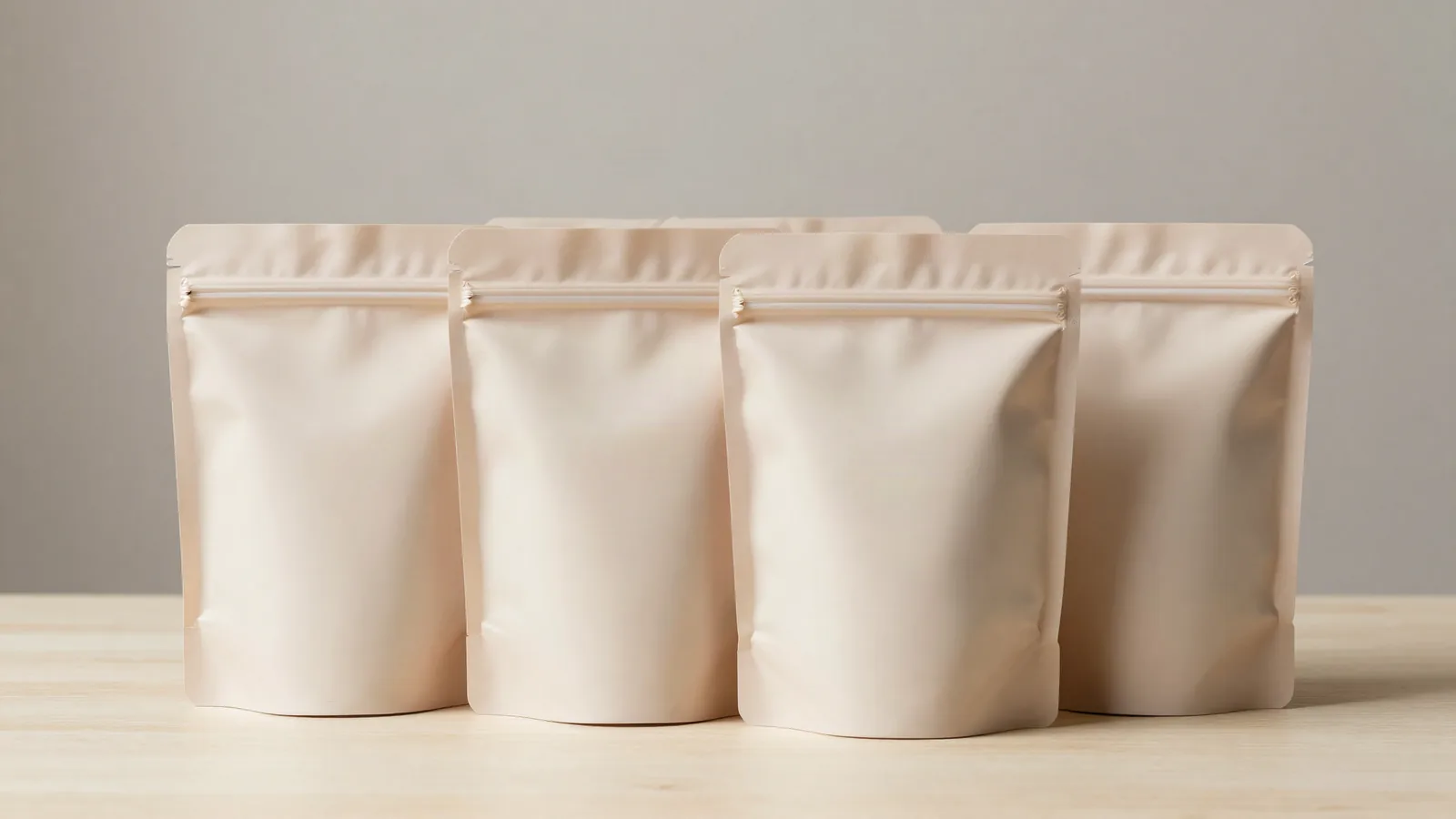
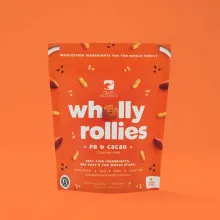
A stand-up pouch has a bottom structure that lets the filled bag sit upright. A flat pouch stays close to two flat faces, which suits compact storage, mailing, or case packing. A gusseted pouch adds a folded side or bottom panel, so the bag expands as the product fills it.
These names describe shape and behavior, not one universal size. The filled volume, product shape, opening, closure, and display position all affect the choice.
| Bag type | How it behaves | Confirm before quoting |
|---|---|---|
| Stand-up pouch | Rests upright on a base | Base, front panel, and opening |
| Flat pouch | Keeps a compact profile | Seal direction and product fit |
| Gusseted pouch | Expands at a side or base fold | Gusset depth and filled shape |
Which pouch shape fits the filled product?
Choose a stand-up pouch when the filled package needs to face forward on a shelf or counter. Choose a flat pouch when the package will lie in a mailer, stack in a case, or stay compact in storage. Choose a gusseted pouch when the product needs extra room as it settles or fills the side and bottom folds.
Write down the filled dimensions rather than relying on the product's empty size. A pouch that looks generous while flat can become tight once the product reaches the corners, zipper, or seal area.
How do closures change the bag choice?
A heat seal is a bonded closure made when compatible film layers are joined with heat and pressure. A zipper is a track that lets the pouch open and close repeatedly, while a tear notch gives the user a defined opening point. The closure changes the usable height, artwork clearance, and filling routine.
Decide whether the pouch will be filled by hand, sealed after filling, opened once, or opened repeatedly. Include that information with the preferred format. A zipper, tear notch, hang hole, or window should appear on the proof with the seal and artwork positions.
Which materials and finishes should I compare?
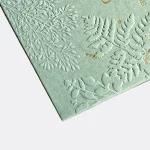
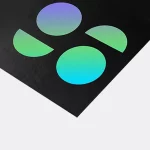
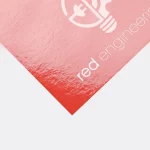
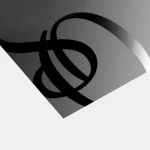
In a metallized pouch, a thin metal layer blocks light and reduces transmission of moisture and odor. Plastic or polypropylene constructions create a different surface and handling feel. Matte, gloss, silk, soft-touch, holographic foil, foil stamping, embossing, debossing, and spot UV change the outside appearance or texture, but the pouch geometry still controls how the bag opens and rests.
Ask for the chosen material and finish to appear together on the proof. A broad matte surface reads differently from a glossy one, and a foil or spot UV area needs a clear artwork map so it does not cover product information.
Which CPL pages should I compare for pouch projects?
The catalog includes Mylar bags for freeze drying, large Mylar bags, irregular shape Mylar bags, and custom printed Mylar bags. Use those pages to compare barrier-oriented projects, larger filled formats, shaped outlines, and artwork-led pouch work. The selected size, material, closure, and finish still need to be quoted to the actual fill.
What should I send before approving a Mylar bag?
Send the product description, filled dimensions, preferred bag shape, opening direction, closure, artwork, finish, and expected handling. Say whether the pouch must stand, lie flat, or expand at the sides. The $19.99 sample kit is credited toward the first order and gives you a physical way to compare material feel and finish.
- Preferred stand-up, flat, or gusseted format.
- Filled product dimensions and packing method.
- Zipper, heat seal, tear notch, hang hole, or window needs.
- Artwork panels, finish areas, and information placement.
The MOQ is 100 units. Pricing is from $0.49 per unit at volume, quoted to spec. Production is typically 8 to 10 business days after proof approval, plus delivery. Free US shipping and free design support are available through custom packaging solutions. Approve the proof only after the filled shape, closure, artwork, and finish match the intended use.
Frequently Asked Questions
What is the difference between a stand-up and flat Mylar bag?
A stand-up Mylar pouch has a base that lets the filled package sit upright. A flat Mylar pouch keeps a lower profile for stacking, mailing, or compact storage. The right choice depends on the filled product, display position, opening, seal direction, and amount of front panel needed for artwork.
When should I choose a gusseted Mylar bag?
Choose a gusseted Mylar bag when the product needs extra side or bottom space as it fills. The gusset changes how the pouch rests, how much of the front remains visible, and where the closure aligns. Send the filled product shape with the quote request so the structure is planned around actual use.
Can custom Mylar bags have special finishes?
Custom Mylar bags can use catalog finish directions such as matte, gloss, silk, soft-touch, holographic foil, foil stamping, embossing, debossing, and spot UV. The selected material and pouch panel affect how each finish appears. Request a proof that maps the finish to the artwork before production approval.
What should I send when requesting a Mylar bag quote?
Send the product description, filled dimensions, preferred pouch format, opening direction, closure, artwork, and finish ideas when requesting a Mylar bag quote. Explain whether the package must stand, lie flat, or expand at the sides. Those details let the quote and proof follow the actual pouch job.
How can I compare Mylar bag materials before ordering?
Compare Mylar bag materials with a physical reference for surface feel, stiffness, opacity, print appearance, closure behavior, and finish. The $19.99 sample kit can make that comparison concrete and is credited toward the first order. The final proof should still show the selected pouch structure and artwork.