































































What are barrier pouches?
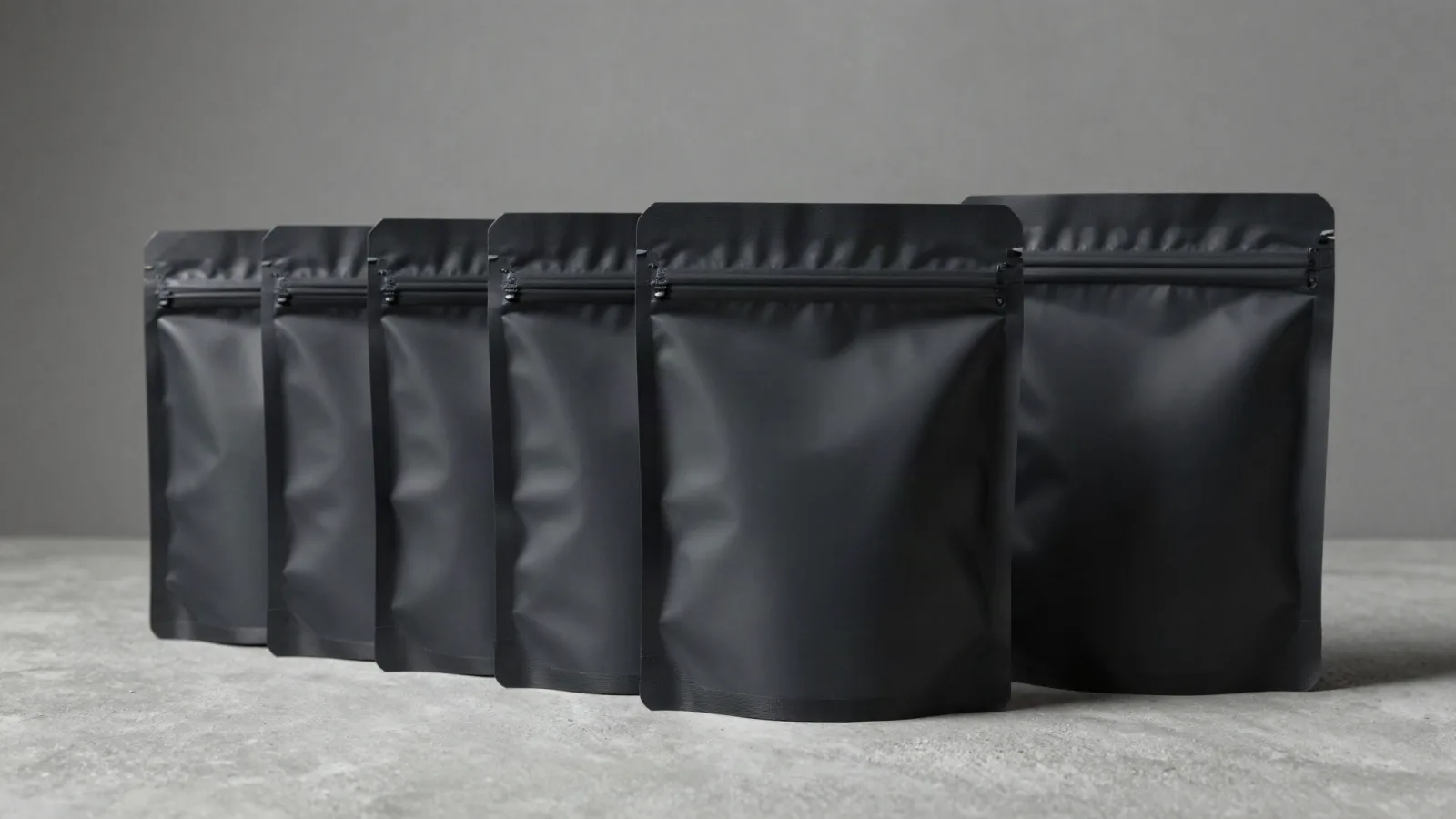
Barrier pouches are flexible packages built from film layers selected to limit specific movement into or out of the package. A barrier layer can address moisture, light, oxygen, or odor, while another layer supports printing or strength. Lamination is the bonding of film layers into one flexible structure. CPL's Mylar and stand-up pouch lines are available in barrier-film materials, so the right starting point is the product and the exposure problem, not the word "barrier" by itself.
How does a barrier pouch protect its contents?
A barrier pouch protects contents through the combined film structure, seals, and closure. The film controls transmission through the panel. The seal closes the edges. The zipper or other closure controls access after the first opening. A pouch can have the right barrier direction and still perform poorly if the seal is contaminated, the package is punctured, or the storage conditions were left out of the brief.
| Packaging concern | Construction question | Pouch direction |
|---|---|---|
| Moisture | Which film layers and seals limit moisture movement? | Custom stand-up pouches |
| Repeated opening | Does the package need a closure that can be reopened? | Zipper pouches |
| Printed presentation | Which panels stay visible on shelf or in hand? | Kraft stand-up pouches |
| Product-specific barrier | What product, fill, and storage conditions should the film match? | Herbal tea pouches |
Are stand-up pouches a barrier format?
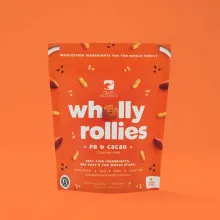
Stand-up pouches can use barrier-film construction, but the stand-up shape does not prove a particular barrier level. A stand-up pouch uses a bottom gusset, which lets the filled package sit upright. That gusset, the side seals, the top seal, and the closure all become part of the package check. Ask for the material construction that matches the product instead of treating the pouch shape as the performance claim.
For a coffee brief, compare cold brew coffee pouches with the general stand-up pouch format. The product name gives you a format to discuss. It does not replace a check of film layers, fill conditions, closure, and storage.
What should you compare in a custom barrier pouch?
Start with the exposure you need to limit. Moisture-sensitive contents raise a different film question from light-sensitive contents, and an odor-sensitive product brings the closure into sharper focus. Next, set the filled dimensions, gusset, opening method, artwork panel, finish, and storage environment. Keep the film and closure questions in the same quote so the final pouch is judged as one package.
- Product type, fill amount, and filled dimensions.
- Main concern: moisture, light, oxygen, odor, or a combination.
- Stand-up or flat format, plus zipper or closed-top preference.
- Artwork, finish, panel layout, and any special shape.
- Storage conditions and how often the package will be opened.
How should you check a barrier pouch proof?
Check the pouch flat before judging the assembled shape. The proof should show the front panel, back panel, gusset, zipper or top seal, cut edges, and any area reserved for a barcode or required copy. A dieline is the flat cutting template for those structural parts. Check that the artwork does not cross a seal or fold, and check that the zipper stays clear of heavy ink coverage. CPL sends a digital proof before anything prints.
Which CPL pouch products fit the brief?
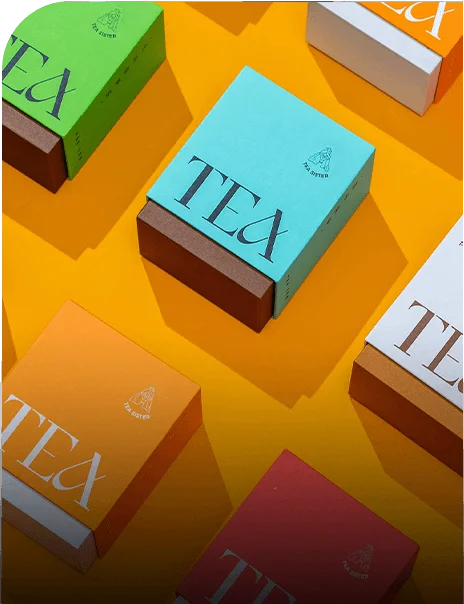
give you a product-specific format to compare. Compare them with custom stand-up pouches when the package needs a bottom gusset, or with zipper pouches when repeated access matters. A herbal tea pouch and kraft stand-up pouch provide other presentation directions. Use the product links as format references, then match the film to the actual brief.
What does a custom barrier pouch order include?
Custom orders use a 100-unit MOQ. Pricing is from $0.49 per unit at volume, quoted to spec. Production is typically 8 to 10 business days after proof approval, plus delivery. CPL provides free design support, draws the dieline from your dimensions, and sends a digital proof before anything prints. Send the filled dimensions, more than the empty product size, because the fill can change the pouch depth and gusset. Free US shipping is available. The $19.99 sample kit lets you compare pouch feel, gusset shape, closure action, and printed surface before approving the direction. Use custom packaging design to start the specification.
What makes a pouch a high barrier pouch?
A high barrier description is meaningful only when it names the substance being controlled and a measured transmission rate. Oxygen transmission rate, or OTR, measures oxygen passing through film over a stated area and time. Moisture vapor transmission rate, or MVTR, measures water vapor movement under named temperature and humidity conditions. Lower results mean less transmission under those test conditions. A PET/AL/PE laminate is a bonded stack using polyethylene terephthalate as an outer print layer, aluminum foil as a middle barrier, and polyethylene as an inner sealing layer.
Does metallized film perform the same as aluminum foil?
No. Metallized film carries a very thin aluminum coating deposited onto a polymer, while foil is a continuous metal layer within the construction. They differ in opacity, fold response, pinhole risk, cost, and achievable transmission performance. A foil layer can block light through an intact panel, yet a hard crease, sharp product edge, or poor seal can still create a weak point. Choose between them by the required OTR, MVTR, light exposure, flexing, sealing conditions, and distribution route.
Which checks expose barrier pouch failures before filling?
Seal-strength, leak, and flex checks reveal different defects, so one result cannot stand in for the others. Seal strength is the force needed to pull a heat seal apart. Common production checks include a peel test on the seal, burst or creep testing under internal pressure, vacuum or dye methods for leak paths, and flexing followed by a pinhole inspection. Test production-equivalent film and sealing conditions, since a good panel cannot compensate for product dust, wrinkles, or a channel through the seal.
| Risk | Practical check | Evidence to retain |
|---|---|---|
| Panel transmission | Supplier OTR and MVTR report | Test method, temperature, humidity, and result |
| Seal leak | Peel plus burst or creep check | Recorded seal setting and observed failure location |
| Flex damage | Flex sample followed by leak inspection | Chosen cycle and any detected pinholes |
| Repeat access | Open and reclose trial after the top seal is removed | Zipper engagement and a clean closure channel |
Where can I find barrier pouches near me?
US buyers can work with Custom Packaging Lane, a US-based packaging supplier, without treating travel distance as proof of material performance. A useful nearby option still needs a written construction, test conditions, finished dimensions, proof controls, and a delivered quote. Use an aluminum foil spout pouch for a spouted structure and a face mask pouch for a flat format. These are format references, not substitutes for barrier data. Browse the custom pouches and flexible packaging hub for the wider pouch family.
How do I keep a custom barrier pouch consistent on reorder?
A controlled specification sheet should lock the layer sequence, total thickness, finished dimensions, tolerances, print method, surface finish, opening features, seal settings, and packing configuration. Record the approved artwork version and the transmission test conditions, not just the OTR or MVTR result. A golden sample is the signed physical reference retained for comparison with later production. Also record the master-carton quantity, roll or bag orientation, and pallet count so a material match is not undermined by different handling.
For a controlled first run, Custom Packaging Lane sets a 100-unit minimum for custom barrier pouches and quotes each specification from $0.49 per unit at volume. After proof approval, production typically takes 8 to 10 business days, followed by delivery. Free design support, a digital proof before printing, and free US shipping are available. The $19.99 sample kit is credited on the first order.
Frequently Asked Questions
What materials can a custom barrier pouch use?
Custom barrier pouches use layered film constructions, including Mylar and stand-up pouch formats in Custom Packaging Lane's catalog. One layer can support printing, another can add strength, and another can limit moisture, light, oxygen, or odor movement. The selected layers, seals, closure, product, and storage conditions must be discussed together.
Are barrier pouches waterproof?
Barrier pouches can be built to limit moisture movement, but the word waterproof does not describe every exposure condition. Film layers, seals, closures, punctures, storage, and handling all affect the result. For a custom barrier pouch, describe the storage environment and the moisture concern so the package construction is checked against the real use.
Can a barrier pouch have a zipper?
Yes, a zipper pouch is the format to discuss when a barrier pouch needs repeated opening and closing. The zipper controls access after opening, while the film and seals handle the package barrier. Keep the closure track clean, and include the opening routine in the quote so the pouch is matched to actual use.
What is the MOQ for custom barrier pouches?
The MOQ for custom barrier pouches is 100 units. Pricing is from $0.49 per unit at volume, quoted to spec. Production is typically 8 to 10 business days after proof approval, plus delivery. Custom Packaging Lane also provides free design support, free US shipping, and a $19.99 sample kit.
Can barrier pouches be used for food-contact packaging?
Ask us about food-contact options for a barrier pouch intended to touch food. The discussion should identify the product, contact conditions, film construction, closure, and storage environment. Do not choose a material from appearance or product category alone. Put the intended use in the quote before artwork and proof approval.