




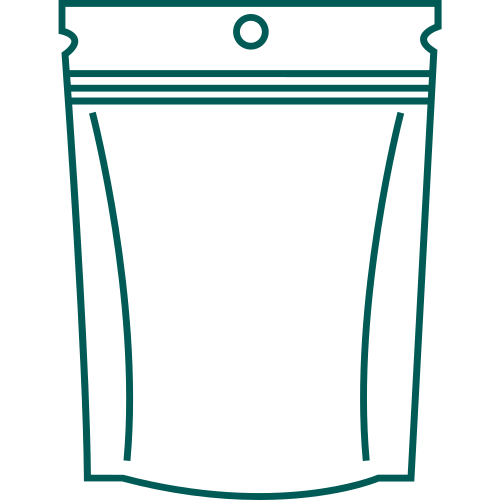















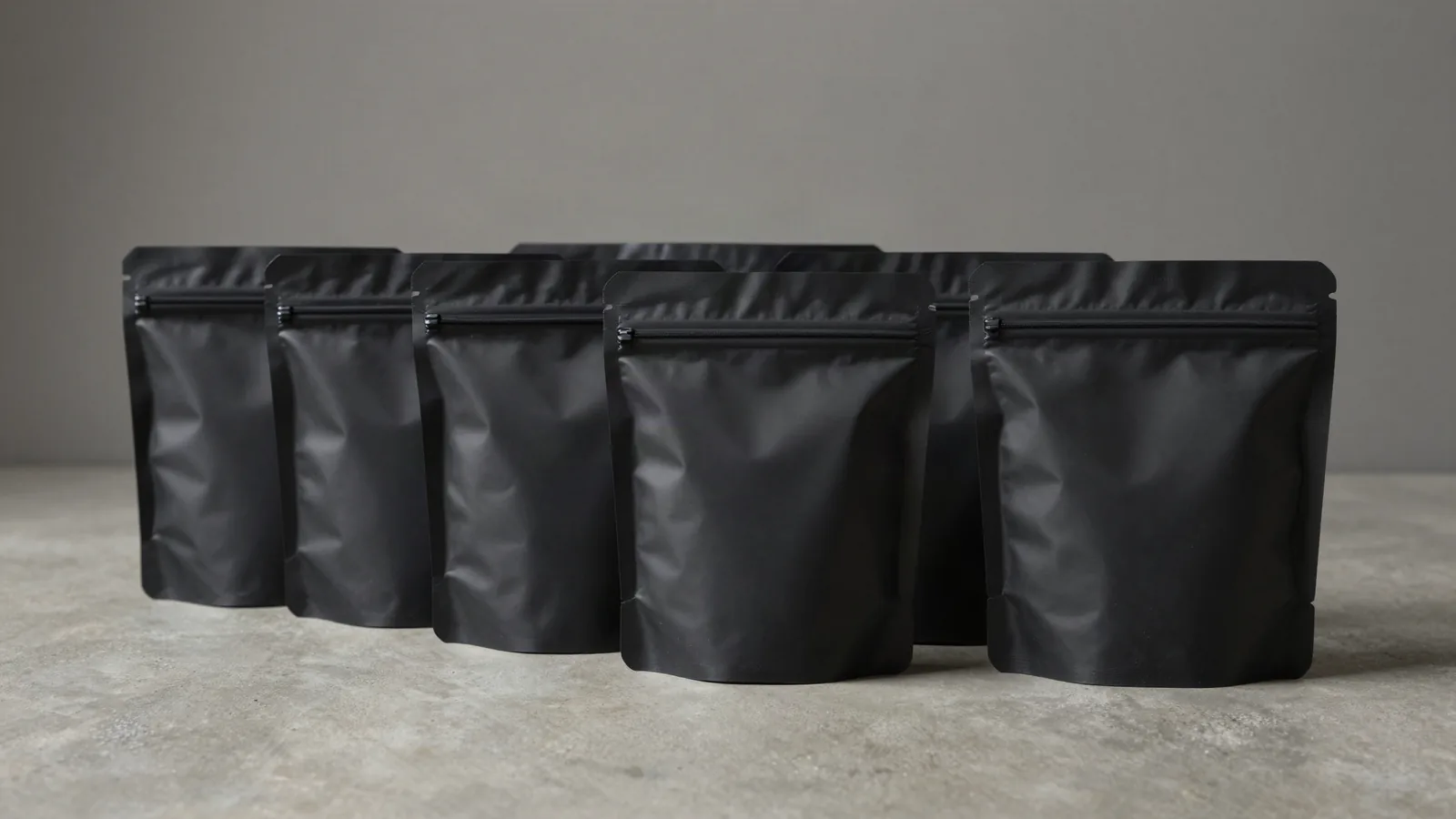



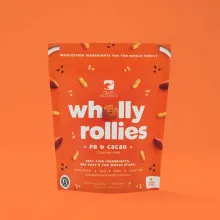



































Ziplock Mylar bags are flexible multilayer pouches with a resealable zipper track at the opening. The zipper gives the user repeat access, while the film layers handle print, barrier, and sealing jobs. A ziplock bag is still a package made to a measured fill, so the opening width, usable fill area, shape, seal plan, thickness, and artwork need to be planned together.
How does a ziplock Mylar bag work?
A ziplock closure works through two matching tracks that press together when the user closes the bag. It supports repeated opening and closing, but it is not the same as a permanent heat seal. Many pouches use a zipper for access and a separate seal area above or beside it for shipment. The quote should show both positions, because a zipper placed too close to the cut or artwork can make the bag awkward to fill and use.
What should you measure before choosing a bag size?
Measure the product in the condition it enters the bag, then record length, width, height, fill volume, and any parts that can puncture or catch the film. Usable fill area means the portion of the finished bag that remains available after the zipper, side seals, bottom seal, and any gusset or cut shape are removed. Also state whether the bag will lie flat, stand, hang, ship, or move through a display.
Which ziplock Mylar format fits the product?
Start with the catalog direction that matches the handling problem, then replace assumptions with filled dimensions and a proof.
| Catalog direction | Start with this question | Confirm before proof approval |
|---|---|---|
| Custom Mylar ziplock bags | Will the user open the package more than once? | Zipper position, opening width, fill area, and seal plan |
| Large Mylar bags | How will the filled bag be lifted and stored? | Filled dimensions, handling method, weight, and storage position |
| Irregular shape Mylar bags | Does the outline change how the bag is held? | Cut line, zipper alignment, usable interior, and seal area |
| Die-cut Mylar bags | Does a custom profile fit the presentation? | Actual product footprint, display needs, closure, and cut path |
Is a ziplock closure the same as a heat seal?
A ziplock closure is reusable, while a heat seal closes the package until the sealed area is cut or torn open. A project can use both: the heat seal protects the package during delivery, and the zipper gives the customer repeat access after opening. Do not place the zipper, tear feature, or top seal from a generic template. Show the intended opening routine in the dieline.
Which film layers and finishes should you compare?
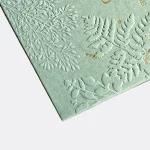
Compare the film construction, total mil thickness, barrier layer, printed surface, and closure as one package specification. A polyester outer film can carry artwork, an aluminum or metallized layer can block light and limit moisture and odor transfer, and a PE layer can form the heat-sealable inner surface. The finish changes the surface appearance and feel. It does not replace the barrier or sealant layer. For a printed retail direction, compare custom printed Mylar bags with the ziplock format. If the package may touch food, ask us about food-contact options for your product.
What should the proof show before the run?
The proof should show the finished dimensions, zipper position, seal area, cut line, artwork panels, bleed, safe type areas, and how the product sits inside the bag. A dieline is the flat cutting template used to place and cut the artwork, so type set too close to a score or zipper can become a production problem. CPL provides free design support and a digital proof before printing. Custom work uses a 100-unit MOQ, with pricing from $0.49 per unit at volume, quoted to spec. Production is typically 8 to 10 business days after proof approval, plus delivery. Free US shipping is available. A $19.99 sample kit lets you compare opening behavior and material feel, and custom packaging solutions gives you the next step for a specification-based quote.
Frequently Asked Questions
What is a ziplock Mylar bag used for?
A ziplock Mylar bag is used when a flexible barrier pouch needs repeat access after the first opening. The zipper provides resealing, while the film construction, heat-seal area, shape, and printed surface are selected for the product. Confirm the filled dimensions and opening routine before choosing a catalog format.
How do I measure a ziplock Mylar bag?
Measure the product as it will enter the package, including length, width, height, fill volume, and any sharp or protruding parts. Then account for the zipper, side seals, bottom seal, opening room, and usable fill area. Tell CPL whether the finished bag will lie flat, stand, hang, ship, or display.
What is the MOQ for custom ziplock Mylar bags?
Custom ziplock Mylar bags use a 100-unit MOQ. Pricing is from $0.49 per unit at volume, quoted to spec, with the final quote shaped by film construction, thickness, dimensions, closure, artwork, finish, and quantity. Request a digital proof so those choices refer to one package.
How long does a custom ziplock Mylar bag order take?
Production for a custom ziplock Mylar bag order is typically 8 to 10 business days after proof approval, plus delivery. The clock starts after the structural and artwork proof is approved. Free US shipping and free design support are available, and a $19.99 sample kit can help compare the bag before approval.
Can ziplock Mylar bags be used for food?
For food applications, ask CPL about food-contact options before selecting the film, print, finish, and zipper. Share the product, filling conditions, grease or moisture exposure, and storage context. A ziplock closure or the word Mylar alone does not answer the food-contact question.