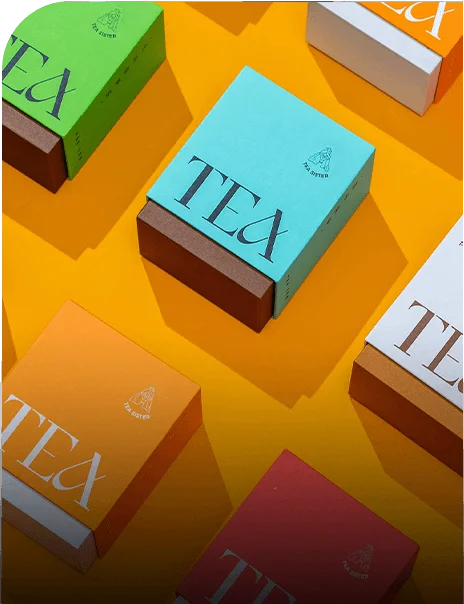



























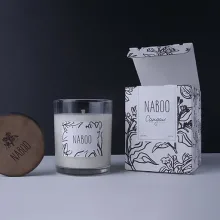
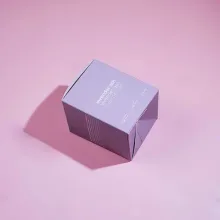
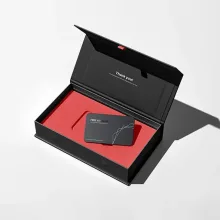
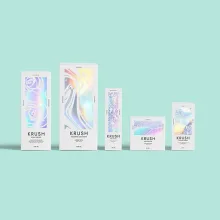





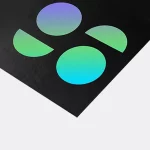
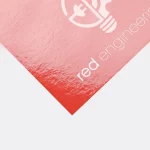






























A printing finish changes how a box looks or feels after the artwork and material are chosen. Some finishes cover a broad panel, while others mark one logo, border, or title. The useful comparison is surface effect plus package construction, because a fold, seam, or wrapped edge can change the result.
What is a printing finish on a box?
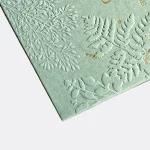
A printing finish is a coating, film, reflective treatment, or pressed detail added to printed packaging. Matte lowers reflection, gloss increases reflection, soft-touch changes the hand feel, foil adds a reflective accent, embossing raises a detail, debossing presses it into the surface, and spot UV adds gloss only to selected areas.
| Finish | What it changes | Where to check it |
|---|---|---|
| Matte | Reduces surface reflection | Small type and dark panels |
| Gloss | Creates a brighter reflection | Glare and color appearance |
| Soft-touch | Adds a smooth tactile feel | Handling and scuff marks |
| Foil | Adds a metallic or reflective accent | Logo and artwork registration |
| Embossing | Raises selected detail | Folds and edge clearance |
| Debossing | Presses selected detail inward | Board thickness and artwork |
| Spot UV | Adds gloss to marked areas | Finish map and contrast |
How do matte, gloss, and soft-touch differ?
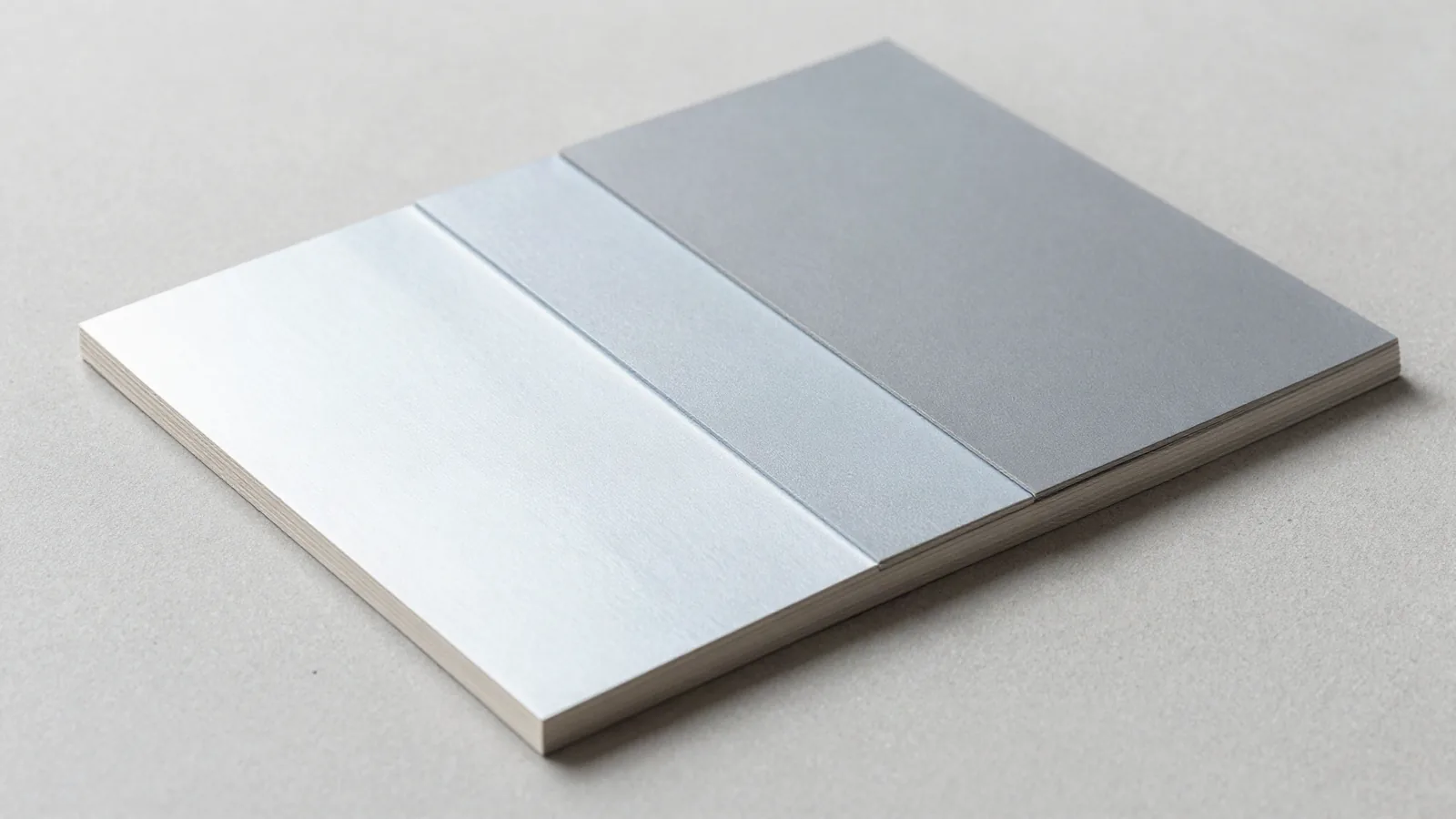
Matte gives a low-reflection surface, gloss gives a brighter surface, and soft-touch adds a smooth hand feel. The same ink can appear different across those surfaces. Check black areas, fine type, and large solid colors on the proposed stock because reflection can hide details at certain angles.
Aqueous coating is water-based and dries fast, so folding and gluing areas remain easier to handle. UV coating cures hard and glossy, resists scuffing better than aqueous, but can crack along scores and fold lines and is harder to write on. Use the coating that fits the box's handling and opening path.
When should I use foil, embossing, debossing, or spot UV?
Use foil for a reflective logo, border, or title. Use embossing when the raised shape should be felt, and debossing when the detail should press into the board. Use spot UV when a small glossy area needs contrast against a matte or uncoated surface.
Keep the accent away from a score when the finish can crack or distort at the fold. A finish map is a marked artwork layer that shows exactly where foil, coating, embossing, debossing, or spot UV belongs. The map should sit beside the dieline and print file before approval.
Which finish fits a mailer, rigid box, or shipping box?
A mailer has folds, a closing flap, and an opening path, so the finish needs clearance around those areas. A rigid box uses chipboard wrapped in printed paper, which gives the finished box a firm shell and different edge conditions. A shipping box faces more handling, so artwork and coating need to be checked across scores and panels.
Compare custom mailer boxes, rigid printed boxes, and custom shipping boxes against the actual package job. A finish that looks right on a flat screen can land across a fold or disappear into a wrapped edge.
What should a finish proof show?
The proof should show the box artwork, material, dieline, finish map, folds, scores, seams, and cut lines together. Check the closed box and the open box. Inspect logo position, small type, barcode space, foil registration, and any finish that crosses a score.
- Mark full-panel coatings separately from spot effects.
- Keep accents clear of folds and glue tabs.
- Check readable copy against reflection and texture.
- Confirm the finish on the proposed material.
What are CPL's quote terms for printed boxes?
The MOQ is 100 units. Pricing is from $0.49 per unit at volume, quoted to spec. Production is typically 8 to 10 business days after proof approval, plus delivery. Free US shipping and free design support are available through custom packaging design. The $19.99 sample kit is credited toward the first order and can help compare surface feel before proof approval.
Frequently Asked Questions
What is the difference between printing and finishing?
Printing places color, artwork, text, or imagery on the box. Finishing changes the surface or adds a tactile or reflective detail, such as matte, gloss, foil, embossing, debossing, spot UV, or soft-touch treatment. The print file, finish map, material, and dieline should be coordinated before proof approval.
What is the difference between matte and gloss finish?
Matte creates a lower-reflection surface, while gloss creates a brighter reflective surface. The better choice depends on the artwork, material, package construction, and handling. Check the finish on the selected stock because the same ink and artwork can read differently when the surface changes.
What do embossing and debossing do to a box?
Embossing raises a selected detail from the box surface, while debossing presses a selected detail into it. Both can mark logos, lettering, patterns, or texture. The proof should show their position beside folds, seams, cut lines, artwork, and the package opening.
When should I use foil or spot UV?
Use foil when the design needs a reflective or metallic accent. Use spot UV when selected areas need gloss against a different surrounding surface. Both treatments need a clear finish map and a check against the proposed material, folds, seams, and small type before production approval.
What are the order terms for printed boxes with finishes?
The MOQ for printed boxes with finishes is 100 units. Pricing is from $0.49 per unit at volume, quoted to spec. Production is typically 8 to 10 business days after proof approval, plus delivery. Free US shipping and free design support are available, and the $19.99 sample kit is credited toward the first order.