





















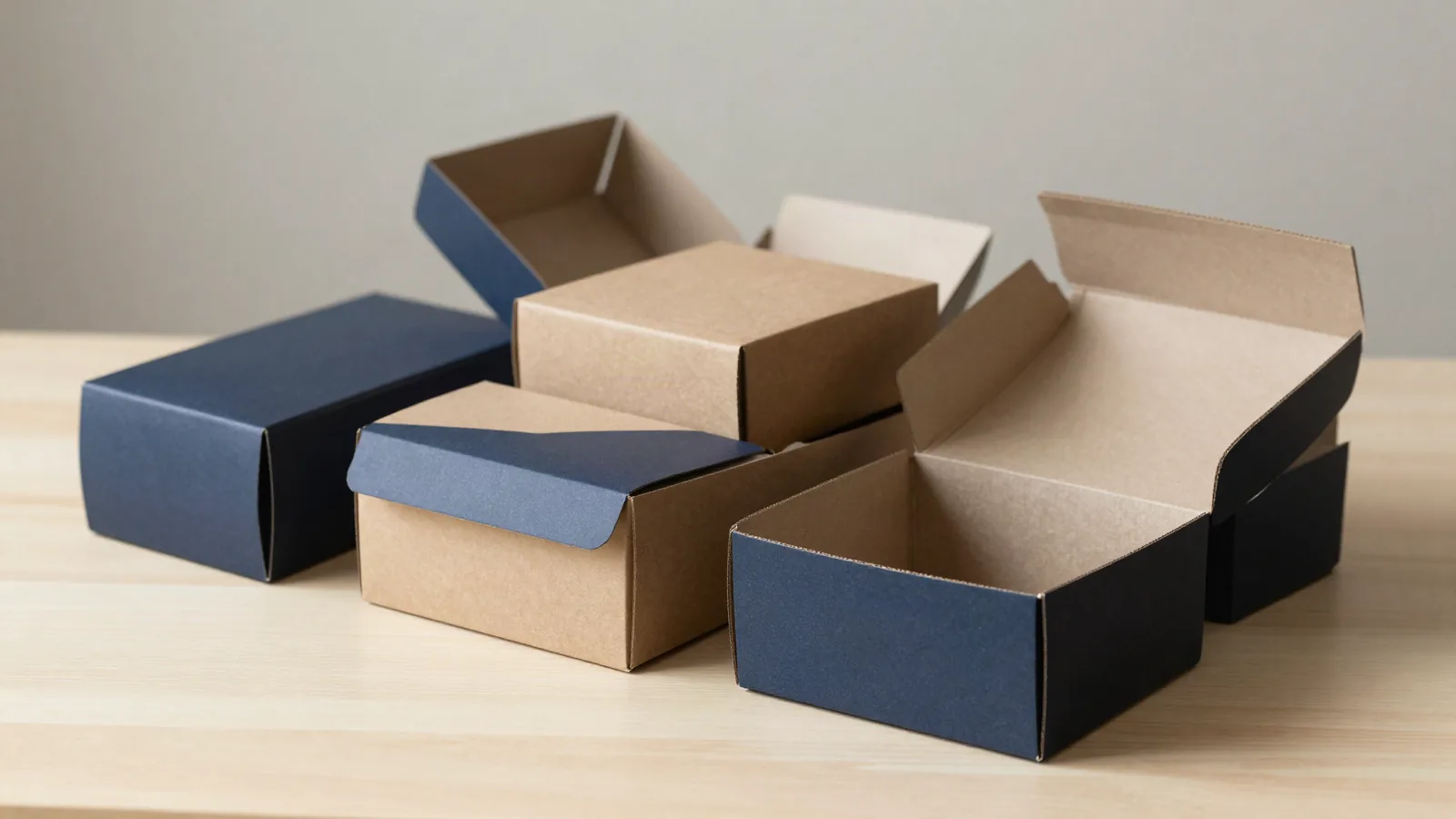



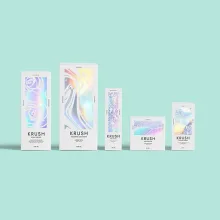
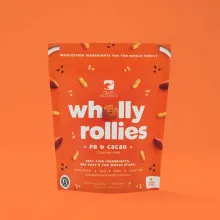
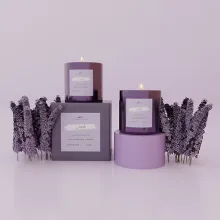
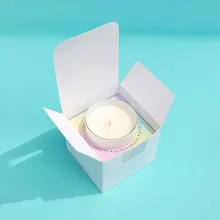






































Perforated box packaging uses a planned line of cuts and uncut bridges so a panel can open along a defined path. The perforation is part of the dieline, which is the flat cutting template for the box. Its position must be checked against folds, flaps, seams, printed panels, and the product inside. See perforated packaging for the direct product reference.
What is perforated box packaging?
Perforated box packaging creates a controlled opening, access panel, display conversion, or tear path. It is different from a random tear because the cut line and remaining bridges are planned with the structure.
Search terms overlap, but the features are not identical. A perforation is the cut pattern. A tear strip is a dedicated pull feature that can start or guide the opening. An easy-open box may use either feature, or a simple tuck flap, depending on the motion the customer needs.
How is a perforation built into a cardboard box?
The process starts with the packed product and the opening goal. Mark where the user begins, how far the opening travels, and which panel remains attached. Then place the line into the structural dieline so it does not cross a critical fold or expose the contents before the intended opening.
| Opening feature | User motion | Packaging use | Planning check |
|---|---|---|---|
| Access panel | Push or pull along the line | Controlled access to the product | Keep the panel clear of folds and copy |
| Tear strip | Pull from a defined start point | Repeatable opening for cartons or mailers | Set the start and end points |
| Display perforation | Remove or fold a section away | Convert a pack into a display format | Keep enough structure for display |
| Partial perforation | Open one section while another stays attached | Reveal or sampling access | Define the remaining hinge area |
Board direction and material also affect the opening. Assess the perforation on the production dieline, with the artwork and folded package visible. Do not add the feature after the print layout is complete.
Does perforation weaken a cardboard box?
Any cut line changes the board's continuity, so the result depends on the cut pattern, remaining bridges, location, material, panel size, and handling loads. An opening that pulls cleanly still needs enough structure for packing and shipment before it is opened.
Tell CPL whether the package will be stacked, shipped, displayed, handled repeatedly, or opened once. A perforation trades easy access against the structure needed before opening. The proof should show the line against the folds, artwork, closure, and product position.
When should you use a tear strip box?
Use a tear strip box when the customer needs a clear pull point for a one-time opening. It can suit a mailer, subscription pack, or carton where a knife or scissors should not be the first step.
A tear strip may be unnecessary when a tuck flap already gives direct access, and it may not suit a package that must be resealed. State the desired motion, opening frequency, and panel that should remain attached before the feature is drawn.
Which product formats help compare opening features?
and wax packaging are product-led references for access panels, opening instructions, and printed surfaces. Wine box packaging and shoe box packaging show why product fit and handling route affect the opening layout.
Towel packaging, sock packaging, and seed packaging give additional product contexts for comparing access and presentation. These catalog pages are references, not a promise that every format includes a perforation or tear strip.
How do I order custom perforated cardboard boxes?
Send the packed product dimensions, opening objective, preferred start point, artwork, and handling conditions. State whether the perforation should expose the product, remove a display panel, or create a guided tear. Also say which panel should remain attached and when the product should become accessible.
Custom Packaging Lane uses a 100-unit MOQ. Pricing is from $0.49 per unit at volume, quoted to spec. Production is typically 8 to 10 business days after proof approval, plus delivery. Free US shipping and free design support are available.
The $19.99 sample kit gives you a physical starting point for reviewing the opening direction. For small-business packaging planning, use custom packaging for small business. Approve the final perforation, folds, artwork, and product access in the digital proof before production.
Frequently Asked Questions
What is a perforated cardboard box?
A perforated cardboard box has a planned line of cuts separated by uncut bridges. The line can guide an access panel, tear, display conversion, or controlled opening. Because the perforation changes the board's continuity, it must be positioned with the folds, artwork, seams, product, and handling conditions in the box dieline.
Is an easy-open perforated box the same as a tear strip box?
An easy-open perforated box and a tear strip box can overlap, but they are not identical terms. A perforation is the planned cut pattern, while a tear strip is a dedicated pull feature that can start or guide the opening. State whether the user should pull a strip, push a panel, remove a section, or open a tuck flap.
Can perforation weaken a cardboard box?
Perforation can change a cardboard box's strength because the cuts interrupt the board. The result depends on the cut pattern, remaining bridges, placement, material, panel size, and handling loads. Tell Custom Packaging Lane whether the box will be shipped, stacked, displayed, reused, or opened once so the feature can be checked in the full dieline.
When should I use tear strip box packaging?
Use tear strip box packaging when a customer needs a clear pull point for a one-time opening, such as a mailer, subscription pack, or carton. A tear strip may be unnecessary with a tuck flap and may not fit a resealable package. Define the opening motion, frequency, and attached panel before the feature is drawn.
How do I order custom perforated boxes?
To order custom perforated boxes, send the packed product dimensions, opening objective, pull or push location, artwork, and handling conditions. State which panel stays attached and when the product becomes accessible. Custom Packaging Lane uses a 100-unit MOQ, pricing from $0.49 per unit at volume, quoted to spec, and production typically 8 to 10 business days after proof approval, plus delivery.