




























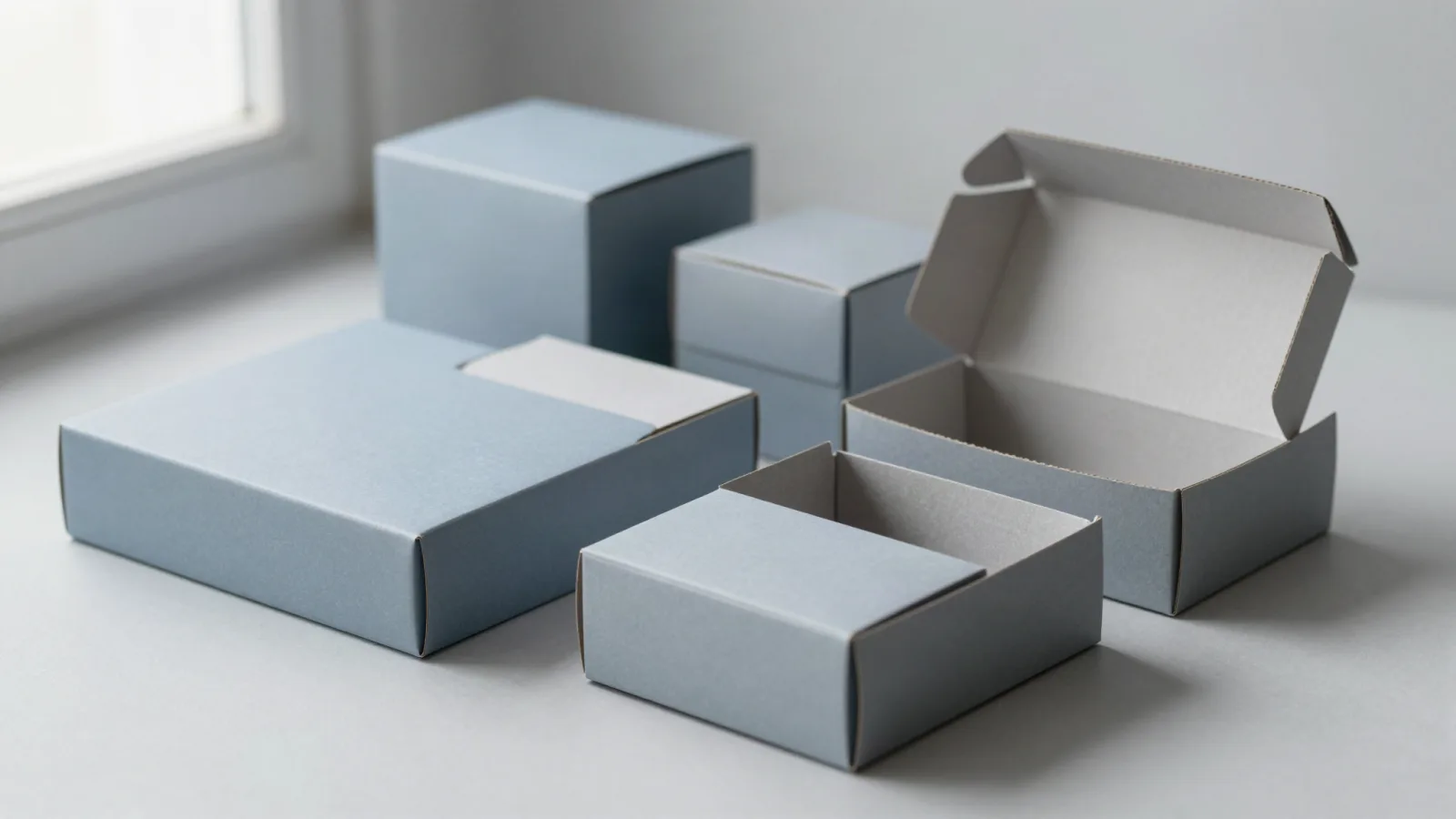




















































A perforated box has planned openings cut into selected panels. Those openings can support airflow, visibility, access, or a designed opening path, depending on the product and structure. The useful question is not whether a box has holes. It is where the holes go, how large they are, and what remains strong after the box is folded.
What is a perforated box?
A perforated box is a box with openings placed in the dieline, which is the flat cutting template used to cut and fold the package. Hole size, spacing, pattern, and panel location are part of the structure. A pattern that looks balanced on a flat sheet can look crowded or become blocked after folding and loading.
Start with the packed product. Note its dimensions, orientation, clearance, and the panel that should stay visible or open. The proof should show the perforation with the folds, closures, artwork, and product position together.
Which choices matter for ventilated box packaging?
For ventilated box packaging, hole size and placement are the first design decisions. The opening must stay clear after the product is packed, and the panel must still fold and close as planned.
| Choice | What it changes | Proof check |
|---|---|---|
| Hole size | Opening scale and visual weight | Product clearance and panel appearance |
| Hole pattern | Spacing and opening density | Pattern remains clear after folding |
| Panel placement | Airflow, access, or visibility location | Openings are not blocked by the product |
| Box construction | How the perforated panel folds and closes | Structure holds before opening |
Keep logos and small type away from the die-cut openings. If the perforation follows a brand pattern, check the spacing against the product, not just the artwork. The final die-cut layout should be visible in the digital proof before production.
How should a produce box perforation be planned?
A produce box perforation should begin with the product, packing method, and airflow objective. Describe where the product sits, which openings should remain clear, and how the package will be handled.
Do not treat a visually open pattern as proof of a particular storage result. The box structure, opening location, product contact, and handling conditions still need to be reviewed together. The perforated packaging page is the direct catalog reference for that discussion.
Which product pages help compare the box structure?
Wine box packaging gives a product-led reference for fit, panels, and handling. Shoe box packaging gives a different reference for product clearance and presentation. These pages do not establish a universal hole pattern. They show why the packed item must be part of the dieline conversation.
For broader format planning, use custom packaging solutions. The selected structure, hole pattern, and artwork should be reviewed as one package.
What belongs in a perforation hole pattern box brief?
A perforation hole pattern box brief should state the functional purpose, hole size, spacing, pattern, panel placement, box style, artwork, product dimensions, and handling conditions. If you do not know the final pattern, describe the goal and the panel that should open, breathe, or reveal the product.
- The MOQ is 100 units.
- Pricing is from $0.49 per unit at volume, quoted to spec.
- Production is typically 8 to 10 business days after proof approval, plus delivery.
- Free US shipping and free design support are available.
A $19.99 sample kit gives you a physical starting point for comparing packaging directions. Send the product dimensions and opening objective after reviewing the sample, then approve the dieline and artwork through the proof.
How do I order perforated box packaging?
Send the product dimensions, target quantity, intended use, artwork, and perforation idea. State whether the openings are for airflow, access, visibility, or a controlled opening path.
CPL can discuss the die-cut direction, draw the dieline, and prepare a digital proof. Keep the proof decision specific: check the opening location, product clearance, fold lines, artwork, and closure before production. The production clock starts after proof approval.
Frequently Asked Questions
What does perforated box packaging do?
Perforated box packaging uses planned openings in selected panels. Depending on the application, the openings can support airflow, visibility, access, or a designed opening path. The hole size, spacing, pattern, and panel placement must be checked against the product and folded box structure rather than copied from a generic layout.
Can I choose the hole pattern for a perforated box?
You can request the hole size, spacing, pattern, and panel placement for a perforated box. Custom Packaging Lane can place those details in the dieline and show the layout in a digital proof. Check the folded package, product clearance, artwork, closure, and any blocked openings before approving production.
What is the MOQ for perforated boxes?
The MOQ for perforated boxes is 100 units. Pricing is from $0.49 per unit at volume, quoted to spec. Production is typically 8 to 10 business days after proof approval, plus delivery. Free US shipping and free design support are available for the perforated box project.
How much do perforated boxes cost?
Perforated boxes are priced from $0.49 per unit at volume, quoted to spec. The final quote depends on the box construction, product dimensions, hole pattern, die-cut layout, artwork, and quantity. A project-specific quote is needed because the perforation details define the finished package.
Can perforated boxes be used for produce?
Perforated boxes can be discussed for produce when the product, packing method, airflow objective, panel placement, and handling conditions are provided. Custom Packaging Lane can review the die-cut direction against the box structure. Do not assume one hole pattern fits every produce package or produces a particular storage result.












