



























































How do custom paper deodorant tubes work?
Custom paper deodorant tubes use a paper platform inside a wound paperboard cylinder. The customer pushes the platform up from the base, which exposes the solid deodorant as it is used. A push-up tube has fewer moving parts than a plastic twist-up package, but the platform still needs enough travel to move the fill without binding.
The fill method matters. These tubes are assembled for top-fill, so the deodorant is poured or pressed into the opening and sets against the platform. Send the fill volume and formulation type before sizing. Baking-soda formulas, oil-heavy butters, and wax-based sticks can call for different interior liner choices.
What liner works with a deodorant formula?
A liner is an interior layer between the formulation and the paperboard. The right choice depends on the formulation, fill behavior, and how the package will be used. Tell us whether the product is wax-based, oil-heavy, or contains baking soda, then we recommend a liner during quoting. Ask us about food-contact options for your product if the package will be used for a food-contact application.
| Fill type | Packaging check | Why it matters |
|---|---|---|
| Wax-based stick | Set against the platform | The fill must release as the platform moves |
| Oil-heavy butter | Interior liner and seepage check | Oil can interact with an unlined paper surface |
| Baking-soda formula | Formulation and liner check | Powder and oils need a compatible interior |
What size paper deodorant tube do I need?
The tube size follows the fill volume, diameter, and finished stick height. A travel format and a full-size deodorant stick should not share one assumed height because the artwork is related. We size the diameter and height around the product, then check the platform travel and cap fit in the proof process.
Send the filled product dimensions if you have them. If the product is still in development, send the target fill volume and the shape of the stick. A product that rattles inside its package needs a construction change before printing, not a larger logo after the fact.
How can I print a paper deodorant tube?
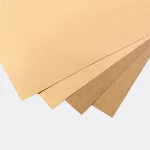
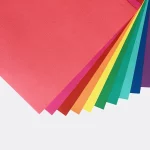
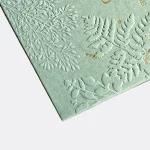
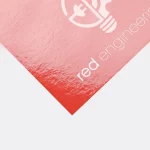
The full wrap can use kraft or white paper, a minimal ink layout, or full-coverage color. Matte or gloss lamination changes the surface feel and shine. Foil and embossing add separate surface effects, but type should stay clear of the seam and any score. RGB artwork can shift when converted for press, so check the digital proof before anything prints.
For related constructions, compare custom paper deodorant tubes, custom push-up paper tubes, and custom paper tubes. Kraft stock is another option in the custom kraft paper tubes range.
What can go wrong with a deodorant tube?
A platform that sits too high can leave too little room for the cap. A platform that travels too far can expose more product than the package was drawn to hold. Oil-heavy formulas can need an interior liner, while a score through the artwork can damage the brand mark each time the tube is handled. Check the fill height, platform travel, cap clearance, liner, seam, and artwork together.
What does a custom paper deodorant tube order cost?
The MOQ is 100 units. Pricing is from $0.49 per unit at volume, quoted to spec. Free design support includes drawing the dieline, and free US shipping is available. Production is typically 8 to 10 business days after proof approval, plus delivery. The $19.99 sample kit is credited toward the first order, so you can check the push-up action and paper before the run.
For a wider packaging route, see custom packaging solutions after the deodorant format is settled.
What should I approve before production?
Approve the digital proof only after checking the platform position, cap fit, fill height, liner requirement, seam, bleed, and artwork color. The production clock starts at proof approval. A small type error or a score placed through a logo is cheaper to fix on the proof than after the tubes are printed.
What should I send with a deodorant tube quote request?
Send the fill volume, filled stick dimensions, formulation type, artwork, desired paper, closure preference, and liner questions. If the formula is still being tested, say how it sets and how firmly it needs to release from the platform. Those details give the tube construction a useful starting point before the digital proof.