
























































What should protein packaging solve first?
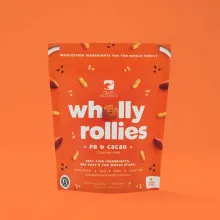
Protein packaging starts with the filled product and the way it is handled. Powder needs a flexible package with a controlled fill opening, closure, and enough panel space for product information. A bar may use a flatter pouch, wrapper-style format, or perforated opening. The product name alone does not determine the package.
Barrier means the ability of a package layer to slow light, moisture, or odor transfer. For a metallized mylar bag, the barrier comes from the metallized film layer, which blocks light and helps limit moisture and odor transfer. Film structure, thickness, seal area, and closure all affect that job. Ask us about food-contact options for your product if any packaging layer may touch the contents.
Should protein powder use a stand-up pouch or a mylar bag?
A stand-up pouch suits a filled bag that needs a shelf-facing base; a mylar bag suits a project where the film barrier and seal plan need to be specified together. The final choice follows fill amount, bag dimensions, closure, headspace, and label or print area.
| Packaging format | Planning role | Proof check |
|---|---|---|
| Stand-up pouch | Upright shelf presentation | Gusset, base, zipper, and fill height |
| Mylar bag | Metallized film barrier direction | Film layers, thickness, seals, and tear notch |
| Printed label | Brand and product copy on a selected bag | Label size, adhesive side, and panel clearance |
| Perforated packaging | Controlled tear path for selected formats | Perforation location, tear direction, and copy clearance |
Headspace is the empty space above the filled product. Leave enough room for the closure and seal, then check the filled bag rather than the flat artwork. A zipper can sit too close to the top seal, or powder can push copy into a gusset. Those errors show up during proof review if the packout is part of the discussion.
How should protein packaging art be prepared?
Prepare the artwork around the finished bag. Mark front and back panels, gussets, zipper, seal, tear notch, and any blank area for lot or date fields. Keep type away from scores and seals. Bleed is the extra image area beyond the cut line, and it prevents a white edge when the package is trimmed. RGB art can shift when converted for press, so check the converted file in the digital proof.
Barcodes need a flat, quiet area with enough contrast to scan. Keep a QR code away from folds, curved gussets, and heavy foil or spot UV. These are standard prepress checks, not substitutes for reviewing the actual filled package.
Which closure suits powder or bars?
Closure choice follows how the buyer will open the package and whether it should close again. A zipper supports repeat closing. A heat seal closes the filled package until the buyer tears it open. A tear notch gives the hand a starting point, but it does not replace a closure. Perforation can define a tear path for selected bar or pouch projects.
- For powder, send fill method, filled dimensions, headspace, and closure preference.
- For bars, send bar dimensions, wrapper or pouch direction, and opening path.
- For either format, mark the seal area, label or print surface, and artwork status.
- If a layer may touch the product, ask us about food-contact options before the material is selected.
Which CPL products can I compare for protein packaging?
Private-label packaging is a useful catalog reference when the protein line needs a coordinated brand and artwork system. Perforated packaging can frame a discussion about a defined tear path for selected bar or pouch projects. Seed packaging gives another flexible-package reference for comparing printed panels and information placement. The filled protein product remains the controlling input for the final quote.
What are the order terms for protein packaging?
The MOQ is 100 units. Pricing is from $0.49 per unit at volume, quoted to spec. Production is typically 8 to 10 business days after proof approval, plus delivery. Free US shipping and free design support are available. For a wider format discussion, use custom packaging solutions. To compare physical material and finish directions before proof approval, order the $19.99 sample kit. The sample kit is credited toward the first order.
Frequently Asked Questions
How do I choose protein powder packaging?
Protein powder packaging should be chosen from the filled dimensions, fill method, headspace, film structure, closure, and front-panel area. A stand-up pouch gives a shelf-facing base, while a mylar bag puts more attention on the film and seal plan. Ask us about food-contact options if a packaging layer may touch the product.
What is the barrier in a mylar protein bag?
In a metallized mylar protein bag, the metallized film layer creates the barrier that blocks light and helps limit moisture and odor transfer. The quote should also identify film thickness, seal area, closure, and fill format because the film layer is only part of the finished packout. Ask us about food-contact options for the product.
Can protein bar packaging use a tear path?
Protein bar packaging can use perforation when the project needs a defined tear path. The proof should show the perforation relative to the bar, seal, artwork, barcode, and required copy. A tear notch gives a starting point, while a heat seal or zipper addresses closure, so the opening parts should be specified separately.
What should appear on a protein package proof?
A protein package proof should show the front and back panels, gussets, zipper or seal, tear notch, label area, barcode, QR code, and required copy in their finished positions. Check RGB conversion, bleed, and type clearance from folds or seals. Review the filled package as well as the flat artwork before approval.
What are protein packaging order terms?
Protein packaging uses a 100-unit MOQ. Pricing is from $0.49 per unit at volume, quoted to spec. Production is typically 8 to 10 business days after proof approval, plus delivery. Free US shipping and free design support are available, and the sample kit costs $19.99. Ask us about food-contact options if needed.