































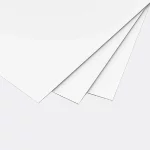


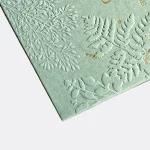

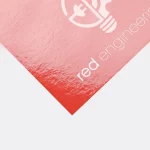






























Recyclable gift box packaging starts with the finished material set, not the word kraft on a product name. Kraft is paper stock made from unbleached pulp, while paperboard is thick paper stock used for folding cartons and gift boxes. A curbside recyclable claim means the local program accepts that finished package, so the box, coating, window, closure, insert, and adhesive all belong in the review. That is also the right way to discuss eco friendly gift boxes.
Which gift box materials fit a recyclable-first brief?
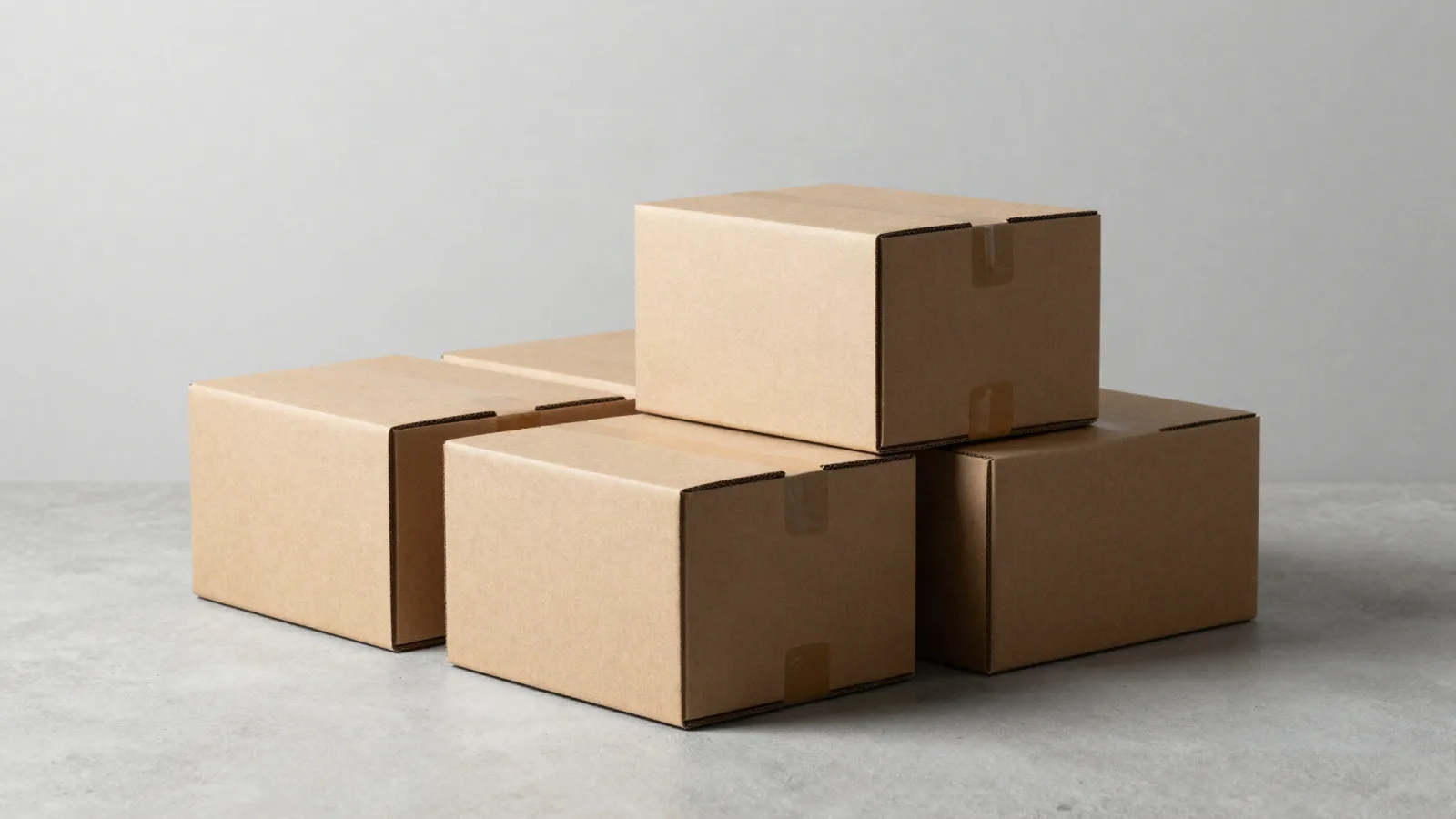
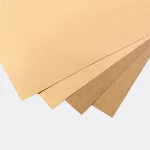
A simple kraft or paperboard folding box is the clearest starting point for a recyclable-first brief. Uncoated kraft or paperboard keeps the package close to one paper-based material, while printing adds ink without deciding the full disposal result. Ask for the exact stock and surface treatment in the quote, then check the curbside rules where the empty box will be discarded.
| Gift box construction | Material question | Buyer check |
|---|---|---|
| Uncoated kraft or paperboard | Mostly paper-based construction | Confirm local paper acceptance and exact stock |
| Printed kraft or paperboard | Ink sits on a paper-based surface | Ask about coating, laminate, and printed faces |
| Paperboard with window | Box and window may use different materials | Ask whether the window can be removed |
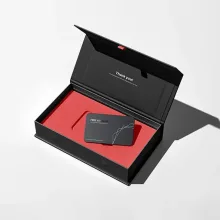
| Rigid box with magnetic closure | Wrapped board, closure, insert, and adhesive are separate parts | Ask how each part is separated before disposal |
How do coatings and windows change the recycling question?
Coatings and windows change the recycling question because they add another layer or material to the paper box. A laminate is a bonded film layer, while a window can be paper or a different material that needs separate handling. Foil, soft-touch coating, spot treatment, ribbon, and adhesive also belong in the construction note. Do not publish a disposal instruction from the box name alone.
What happens when a gift box has a magnetic closure?
A magnetic closure makes the finished package a mixed-material project, even when the outer body uses paperboard. Chipboard is dense paperboard used as the rigid core of many gift boxes. A rigid gift box is commonly built from chipboard wrapped in printed paper, then assembled with a lid, insert, adhesive, or closure. Ask which parts can be separated after use and keep the local program's rules in the customer instruction.
Which gift box styles fit a recyclable-first project?
One-piece color tinted kraft tuck top gift boxes give you a folding kraft format to discuss when a simple paper-based structure matters. Custom kraft gift boxes provide another kraft direction for custom sizing and artwork. For a jewelry presentation, custom jewelry gift boxes should be reviewed with the insert, wrap, closure, and disposal plan. These pages are starting points, not blanket recycling instructions.
Which printing and finish choices need a second look?
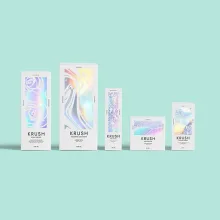
Printing and finish choices need a second look whenever the disposal goal depends on a mostly paper package. Specify the printed faces, ink coverage, coating or laminate, foil, window, attached decoration, insert, and closure. If natural kraft appearance matters, ask whether the artwork can use the stock without a bonded film. If color coverage matters more, ask how the chosen surface treatment changes the finished construction.
How do quantity, pricing, and production work?
The MOQ is 100 units. Pricing is from $0.49 per unit at volume, quoted to spec, with the quote shaped by box style, material, dimensions, artwork, finish, closure, and quantity. Production is typically 8 to 10 business days after proof approval, plus delivery. Free US shipping and free design support are available. A $19.99 sample kit gives you physical stocks and finishes to compare before proof approval.
What should go in a recyclable gift box quote?
A recyclable gift box quote should name the product, box style, paper stock, printed faces, coating or laminate, window, insert, closure, quantity, and disposal locations. Say whether the priority is a simple paper construction, natural kraft appearance, or separation of mixed parts. Use custom packaging solutions to connect material, structure, and artwork before the digital proof is approved.
Where should a logo sit on recyclable gift box packaging?
The primary mark belongs on the largest uninterrupted paper panel, clear of scores, glue tabs, lid turns, and closing flaps. A straight tuck end can keep the front face continuous, while a reverse tuck end changes which flap meets each panel. On a sleeve, check the logo with the tray fully closed and partly open so the artwork does not appear offset during the reveal.
Inspect the assembled box instead of centering artwork on the flat production drawing alone. A wide mark can look balanced on screen but move toward an edge after a tuck flap, seam, or paper insert is added. Compare panel layouts in the custom kraft box range and on custom kraft gift boxes.
How should artwork be prepared for recyclable gift boxes with a logo?
Vector files keep logo edges and small lettering clean at final print size. Natural kraft changes pale colors because the brown fiber remains visible, while a white underprint places an opaque base beneath selected areas. Folding kraft gift cartons commonly use 18 to 24 pt board, so the artwork review should cover color appearance and fold behavior on the chosen stock.
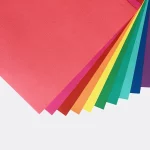
Digital printing can suit short or versioned runs, while offset printing can suit repeated detailed graphics after setup. Low-resolution images can become jagged, and screen-built colors may separate differently when the press file is prepared. Dense ink at a score can also show a light fracture after folding. The proof should identify every ink layer and printed face.
| Packaging condition | Artwork decision | Physical check |
|---|---|---|
| Natural kraft, 18 to 24 pt | Account for the brown stock in pale colors | Inspect fine lines on the chosen board |
| White paperboard, 12 to 24 pt | Map color coverage to each intended face | Fold dark areas and examine the scores |
| Straight tuck end | Keep the main mark off the tuck crease | Close both ends and view the front |
| Sleeve | Align the outer graphic with the tray opening | Check closed and partly opened positions |
How can a paper insert support a branded recyclable gift set?
Die-cut paperboard tabs can hold each item at planned contact points without creating a loose cavity. Build the insert around the packed products, including caps, labels, and accessory wraps. Exact-profile cuts can bind during loading, while excess clearance lets products rattle or rotate away from the intended presentation.
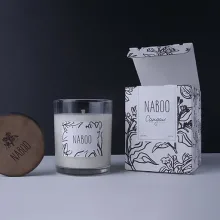
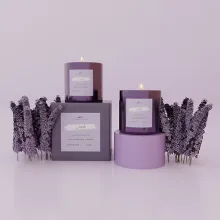
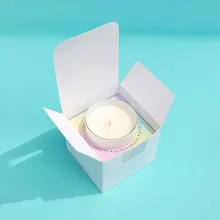
Finger access, loading order, and lid clearance belong in the plain sample. For a product-specific arrangement, inspect candle gift boxes with the vessel lid and any care card installed.
What recycling message should appear beside the logo?
A useful instruction names any component the recipient must remove and directs the recipient to local collection rules. Put the wording beside the relevant window, insert, ribbon, or closure instead of beneath the product. Check legibility after assembly because small copy can cross a fold or disappear behind an insert.
Avoid a blanket disposal claim based on the outer paper alone. The printed message should match the finished combination of box, coating, adhesive, window, closure, and insert that reaches the recipient.
What should be checked on the first printed gift box?
Registration, solid ink density, small type, fold cracking, insert fit, and logo position should match the approved digital proof. During a press check, inspect the gift box folded, closed, and opened, not only as a flat sheet.
Order the sample kit before finalizing the product-specific print specification. Rub adjacent printed panels together, load the complete gift set, and confirm that the logo remains centered when the closure is engaged.
Frequently Asked Questions
Does kraft automatically mean recyclable?
Kraft does not automatically mean the finished gift box is accepted in curbside recycling. Check the exact paper stock, coating, laminate, window, magnet, ribbon, insert, and adhesive, then confirm the local program's rules. A simple paper-based box is easier to evaluate than a mixed-material package, but the destination still decides acceptance.
Can printed gift boxes go in curbside recycling?
Printed gift boxes may fit a local paper recycling stream when the box is clean and the finished construction is accepted there. Printing alone does not answer the question. Coatings, bonded films, windows, foil, closures, and inserts can change handling, so ask for the complete material set before writing disposal instructions.
How should a magnetic gift box be disposed of?
A magnetic gift box should be reviewed as separate parts: wrapped rigid board, magnetic closure, insert, adhesive, and any attached decoration. Ask whether those parts can be separated, then follow the recycling or disposal instructions from the community receiving the package. Do not treat the paperboard body as the whole package.
What gift box style is easiest to evaluate for recycling?
A simple paper-based folding gift box is usually easier to evaluate than a rigid box with magnets, windows, bonded films, or mixed inserts. Share the product, opening style, finish, and closure requirements, then check the local program. CPL can discuss kraft and paperboard constructions without making a blanket disposal claim.
Can CPL help plan recyclable gift box packaging?
CPL can discuss kraft and paperboard stock, box structure, printed artwork, coatings, windows, closures, and inserts as one recyclable gift box project. Identify where the package will be discarded and which parts should separate. Free design support can organize the construction and proof, while the finished material set still needs local recycling guidance.