




























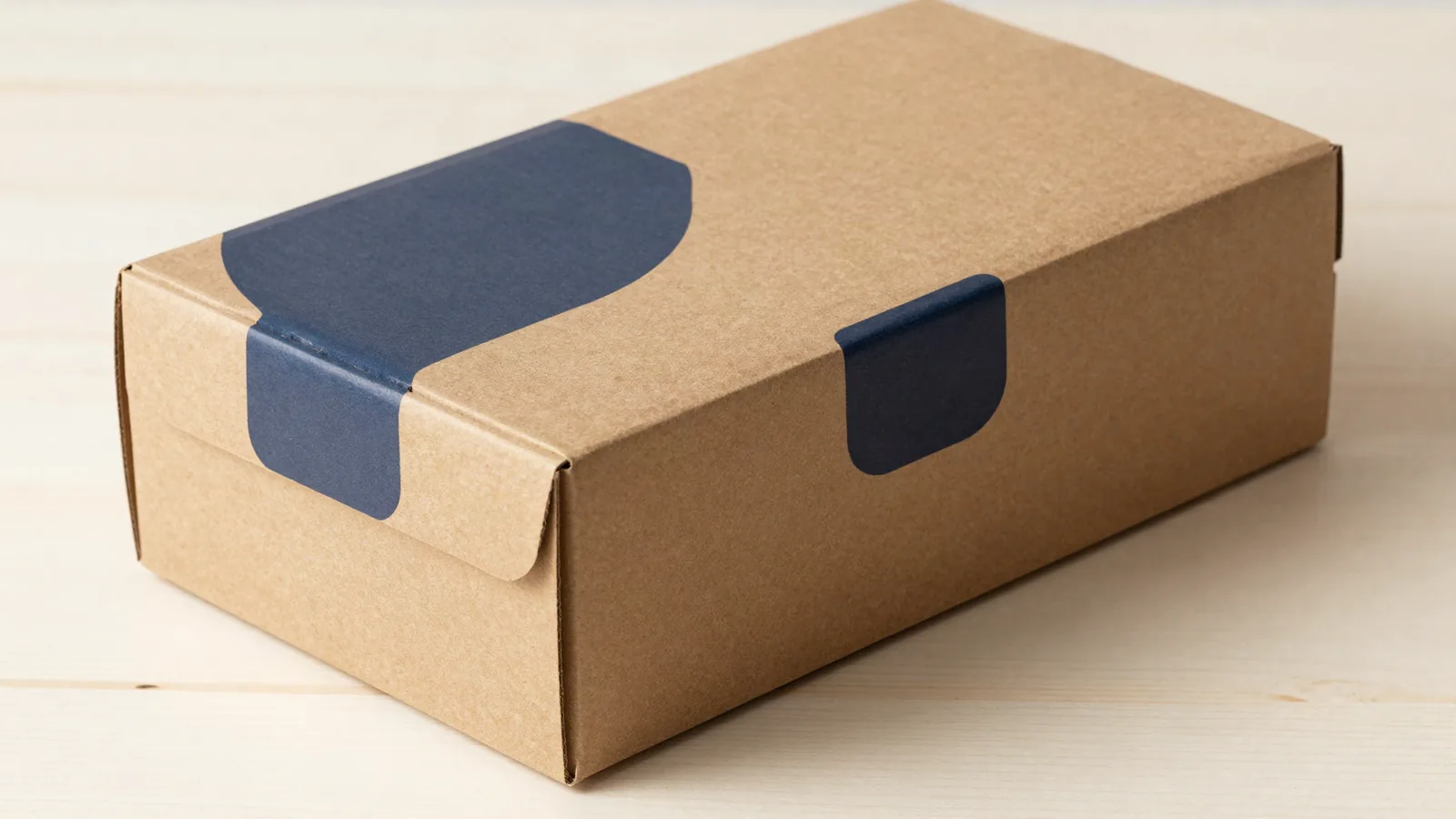




















































Cereal-style boxes are often recyclable when they are paperboard cartons, empty, and reasonably clean, but a local curbside program makes the final call. A folding carton is a paperboard box cut and scored from a flat sheet. Its board, coating, window, liner, foil, and adhesive all belong in the disposal check. Recycled content is a property of the selected stock sheet, not a blanket claim for every carton.
Are cereal boxes recyclable in curbside recycling?
A clean paperboard cereal-style carton is commonly accepted in paper recycling programs, but local rules decide whether it goes in the curbside bin. Empty the carton, remove loose contents, and follow the program's preparation instructions. A supplier can describe the board and finished construction; it cannot replace the collection authority's instructions for the address where the box is discarded.
What do kraft and SBS board change?
Kraft and SBS are board choices, not disposal instructions. SBS means solid bleached sulfate, a folding-carton paperboard with a smooth printable face; kraft board has a natural paper tone and paperboard structure. CPL's material information identifies the selected stock and the recycled-content percentage listed for it. That percentage belongs to the stock sheet named in the quote.
A printed carton may still be accepted in a local paper stream, but added treatment can change the handling question. The material check should name board, ink coverage, coating, foil, adhesive, and any attached part instead of relying on the word paperboard alone.
| Carton detail | What the selected stock can tell you | What the buyer checks |
|---|---|---|
| Board stock | Kraft or SBS paperboard | Exact stock named in the quote |
| Recycled content | Percentage listed for that stock sheet | Do not apply it to another board, coating, foil treatment, window, or liner |
| Printed surface | Ink coverage and selected coating | Local handling instructions for the finished carton |
| Added component | Window, liner, insert, foil, or adhesive | Separate it when local directions require separation |
| Disposal wording | Empty and reasonably clean carton | Instruction for the customer's collection program |
Does a coating or window change cereal carton recycling?
Yes, a coating or attached window can change how the finished carton is handled, so check the complete package rather than the board name. Aqueous coating is a water-based surface coat; lamination adds a film layer; foil adds a thin decorative layer; a window adds another material that may need separation. The right instruction depends on the finished construction and the local program.
How should a cereal-style carton be prepared for recycling?
Empty the carton and follow the local program's preparation guidance. If a carton has a window, liner, foil detail, or insert, check whether the program asks you to remove it or place the complete package elsewhere. Keep the printed instruction short and tied to the construction that will actually ship.
Do not write that a carton is recyclable everywhere. If the customer's disposal location is not known, write a direct instruction to check local recycling guidance. That sentence is more useful than a broad claim the collection program may reject.
Which CPL cereal box formats can I compare?
Custom cereal boxes are the direct format reference for a branded folding carton brief. Custom cardboard cereal boxes provide another starting point for board, artwork, and opening details. If a display feature is part of the design, compare window display boxes and window boxes. These pages describe formats; the selected kraft or SBS stock controls the material discussion.
What should a recyclable cereal carton quote include?
Name the board, recycled-content line for the selected stock, print coverage, coating, foil, window, liner, adhesive, quantity, destination, and disposal wording. CPL's MOQ is 100 units. Pricing is from $0.49 per unit at volume, quoted to spec. Production is typically 8 to 10 business days after proof approval, plus delivery. Free US shipping and free design support are available.
For a broader carton plan, start with custom packaging solutions. Before approving a final construction, order the $19.99 sample kit, which is credited toward the first order.
Frequently Asked Questions
Who decides if a cereal carton goes in the curbside bin?
The local collection program decides whether a cereal-style carton belongs in the curbside bin. A clean paperboard carton is commonly accepted, but the customer should empty it and follow the program's preparation instructions. A supplier can identify the board and added components; local guidance controls the disposal wording.
Does the recycled-content percentage apply to every cereal carton?
No. A recycled-content percentage belongs to the specific kraft or SBS stock sheet named in the material information. It should not be copied to another board, coating, foil treatment, window, or liner. Name the selected stock in the quote, then use that stock's information when writing the carton instruction.
What does SBS mean on a cereal box specification?
SBS means solid bleached sulfate, a paperboard grade used for folding cartons with a smooth printable face. The word SBS does not decide disposal by itself. Check the selected stock, print treatment, coating, foil, window, adhesive, and local collection rules before describing the finished carton.
What should happen to a cereal box with a window or liner?
A cereal-style carton with a window or liner needs a check against the local program's instructions. Empty the carton, identify the added component, and find out whether the program asks for separation or another disposal stream. The board name alone does not settle the instruction for the finished package.
What order terms apply to a custom cereal carton?
Custom cereal carton projects use a 100-unit MOQ. Pricing is from $0.49 per unit at volume, quoted to spec. Production is typically 8 to 10 business days after proof approval, plus delivery. Free US shipping and free design support are available. The $19.99 sample kit is credited toward the first order.












