


























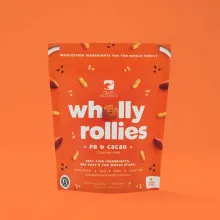



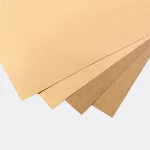




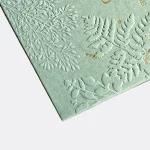































Sustainable cereal packaging is easier to evaluate when the carton and its interior are treated as one material system. Recyclable paperboard is the outer carton material, while a liner is a separate inner layer placed inside the carton. CPL's material direction includes recyclable paperboard and liner options that can be discussed around the cereal format, filling process, artwork, opening, storage, and disposal route.
That gives a buyer a better way to compare eco friendly cereal boxes and recyclable cereal packaging than a broad label. The practical brief names the carton, liner, print surface, opening, and attached parts. It also records how the complete package is expected to be handled after use.
What does sustainable cereal packaging actually include?
Sustainable cereal packaging includes every component a person receives, opens, and discards, not only the printed carton. The outer paperboard creates the panels and shelf surface. A liner can create a separate interior layer. Inks, adhesives, closures, and perforations can affect how the finished pack is handled.
Recyclable paperboard is a useful starting material for a cereal-style carton, but the complete package still needs a local handling check. Recycling programs differ. A liner that remains attached can be treated differently from a liner that separates during use, and a mixed construction can be handled differently from a paperboard-only carton.
How does recyclable paperboard support a cereal carton?
Recyclable paperboard creates the flat panels, folds, printed exterior, and opening structure of a cereal carton. The board gives the package its shape after it is cut and scored, while the liner handles a separate interior role when the format calls for one.
| Package element | Role in the cereal format | Question to resolve |
|---|---|---|
| Recyclable paperboard carton | Creates outer panels and the printed shelf surface | Which board direction fits the structure and artwork? |
| Liner material | Adds an interior layer around the filling plan | Will the product touch it, and how is it handled after use? |
| Printed exterior | Carries the brand, product information, and opening cues | Which panels need the clearest visual hierarchy? |
| Opening feature | Controls access, reclosing, or dispensing | Does the opening support use without extra parts? |
| Attached parts | Can change how the complete package is separated | What happens to each part in the local program? |
The table is a planning tool, not a claim that one format suits every cereal product. The final selection should reflect the actual carton, liner, product contact, artwork, opening, and local disposal guidance.
When should a liner be part of the material plan?
A liner belongs in the brief when the cereal format uses an inner layer separate from the paperboard carton. Record its position, the filling method, the product-contact question, and what happens to it when the carton is opened.
A liner changes the end-of-use conversation because the buyer is evaluating another component. The liner may remain attached, separate during normal use, or require different handling from the carton. Do not assume the outer carton describes the complete package. Ask us about food-contact options for your product when the product touches an interior layer.
How do print and opening choices affect the recycling conversation?
Print and opening features affect the physical parts a user handles and separates. Artwork can be planned around the carton panels, while a perforation, flap, or closure can change how the carton opens and stores between uses.
Keep the liner, print surface, opening, and attached components visible in the dieline and production record. A dieline is the flat cutting and folding template for the carton. It shows where artwork, scores, cuts, folds, and openings sit together. That record is easier to compare with local recycling guidance than a package described with unnamed layers.
Which CPL catalog formats help explore the direction?
Seed packaging offers a catalog reference for a paperboard package with a material and artwork discussion. Private label packaging helps frame how branded panels and product information can work together. Perforated packaging is useful when opening or dispensing is part of the design discussion. Shoe box packaging shows another paperboard package role.
These links are reference points from the catalog, not a claim that every listed format is a cereal carton. Use them to discuss structure, print coverage, and opening ideas, then request the material direction for the specific cereal package.
How can you brief a cereal package responsibly?
- Describe the cereal format, filling method, storage conditions, and intended use.
- Separate the outer recyclable paperboard from any liner or interior layer.
- State which surfaces need print and which opening behavior the package needs.
- Ask how the selected components should be handled in the intended local program.
- Request food-contact options when product contact is part of the brief.
The MOQ is 100 units. Pricing is from $0.49 per unit at volume, quoted to spec. Production is typically 8 to 10 business days after proof approval, plus delivery. Free US shipping and free design support are available. The $19.99 sample kit can help compare paperboard and liner directions. Use custom packaging design to connect the material system to artwork, then approve the digital proof before anything prints.
Frequently Asked Questions
What makes cereal packaging more sustainable?
Sustainable cereal packaging starts by naming every part of the package, including the paperboard carton, liner, printed surface, opening, and attached components. Then compare how those parts are used and handled after opening. A recyclable material direction is more useful when the complete construction and local recycling context are also understood.
Are recyclable paperboard and liner options available?
Custom Packaging Lane's material direction includes recyclable paperboard and liner options for cereal packaging discussion. The suitable combination depends on the cereal format, product contact, filling approach, artwork, and handling plan. Ask us about food-contact options when the product touches an interior layer in your package.
Does a liner change how a cereal carton is evaluated?
A liner adds another component with its own placement, product-contact, and end-of-use questions. Record the liner separately from the outer carton, then confirm whether the selected parts stay attached or can be separated during normal use in the chosen format and local recycling program.
Can a cereal carton use custom printed panels?
A cereal carton can be planned around custom printed paperboard panels when the artwork matches the dieline, opening, and selected material direction. Identify the information that must remain visible, keep type away from folds and cuts, and leave a clear record of the carton and liner construction.
What should I send for a sustainable cereal packaging request?
Send the product format, filling plan, intended use, artwork direction, outer carton material preference, liner needs, and disposal context. If product contact is involved, ask us about food-contact options. A $19.99 sample kit can help compare paperboard and liner directions before the digital proof is approved.