

























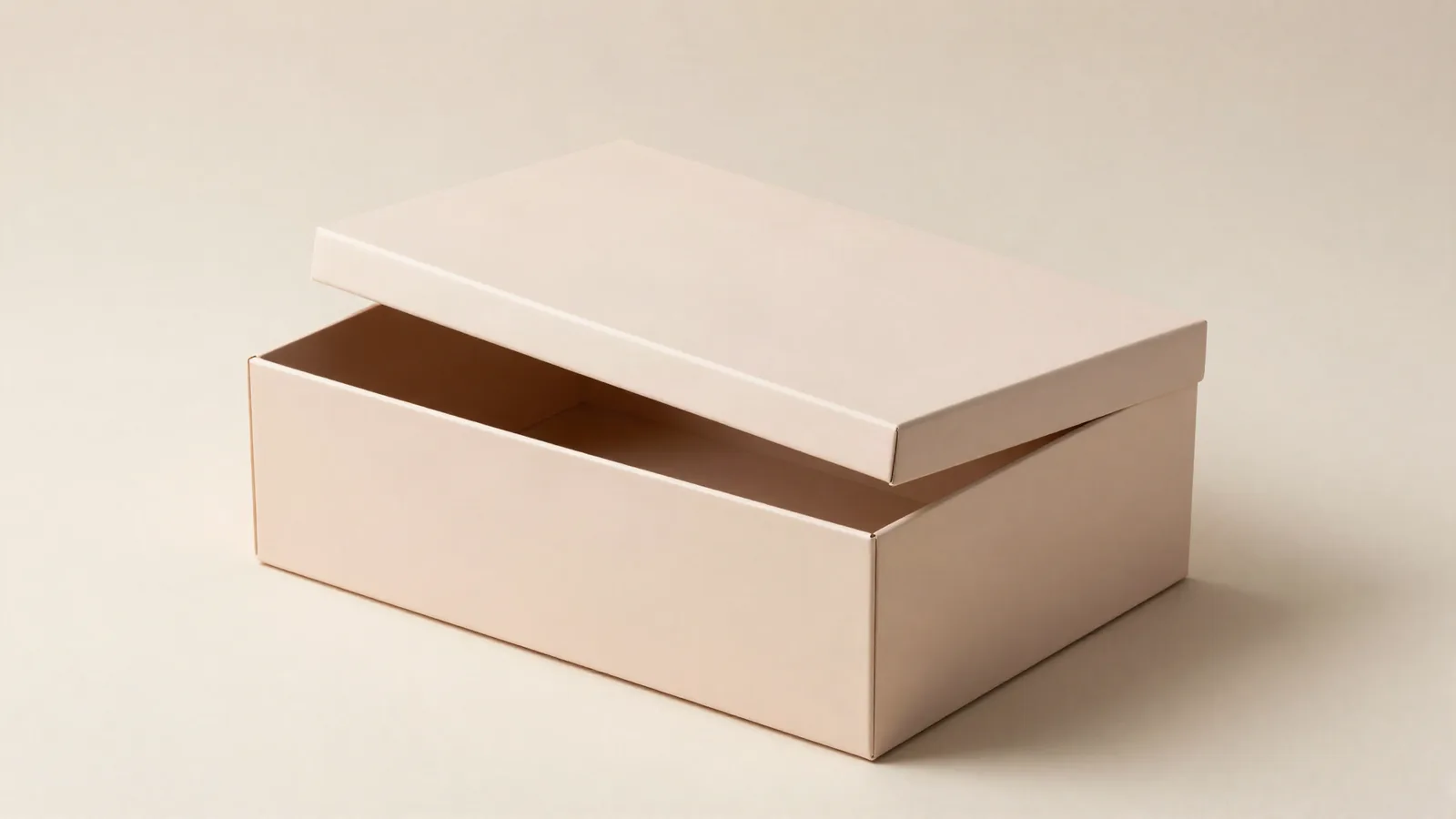





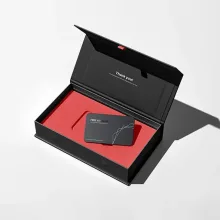







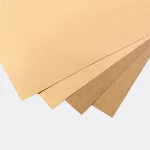

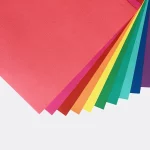



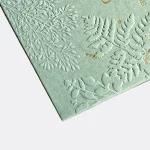
































Rigid plastic packaging is a stiff package that keeps its shape around a product, often through a formed shell, clamshell, or tray. A custom rigid box solves the same need for a fixed presentation with wrapped chipboard, a printed paper surface, and a selected lid, sleeve, tray, or insert. The practical comparison is visibility, product retention, structure, finish, and opening method.
What is rigid plastic packaging?
Rigid plastic packaging is a formed or assembled plastic structure that does not collapse like a flexible film bag. A clamshell can show the product through a clear shell, while a plastic tray can hold the product in a defined position. The plastic specification, thickness, closure, and forming method belong in the quote because the words rigid plastic packaging do not identify one universal construction.
How does a rigid box replace a plastic clamshell?
A rigid box replaces the shell with a chipboard core wrapped in printed paper, so the structure is built around panels, edges, and an opening rather than a formed cavity. A sleeve, tray, or insert can keep the product organized inside the box. The outside can carry print and finishes across more usable panels than a small shell label, while the interior can be left open or fitted to the product.
| Decision factor | Rigid plastic packaging | Custom rigid box |
|---|---|---|
| Primary structure | Formed or assembled plastic shell | Wrapped chipboard with a paper covering |
| Product visibility | Often uses a clear shell or visible opening | Can use a window, open display, insert, or printed exterior |
| Brand surface | Plastic surface, label, or specified print process | Printed wrap with coating, foil, embossing, or debossing |
| Opening | Snap, hinge, peel, or separate shell feature | Lid, sleeve, tray, drawer, or magnetic closure |
| Quote focus | Form, plastic specification, closure, and visibility | Board, wrap, dimensions, insert, finish, and assembly |
When should I choose a rigid box instead of a clamshell?
Choose a rigid box when the product needs a printed exterior, a planned opening, or an insert that controls the presentation. Choose a clamshell when direct visibility and fixed retention are the main requirements. Check the product dimensions first. Type too close to a score, omit bleed, or cut an insert to the exact product size and the finished package can create avoidable problems during packing.
Which rigid box materials and finishes should I compare?
Compare the chipboard specification, covering paper, assembled dimensions, and opening method before choosing a finish. Matte and gloss lamination change surface appearance and handling. Foil creates a metallic detail, while embossing and debossing change the paper surface. Spot UV adds a localized glossy area. The proof should show the wrap, edges, lid or sleeve, insert, and artwork near every score or seam.
How do sleeves, trays, and inserts change the package?
A sleeve adds an outer printed layer around the box. A tray controls how the product appears when the box opens, and an insert separates components or keeps one item from moving. These parts reduce usable interior space and change the assembly plan. State whether the box holds one item, a set, or several components, then send the packed dimensions rather than designing around the product's retail name.
Which rigid box products can I compare?
Rigid printed boxes are the starting point for print, foil, embossing, debossing, windows, and inserts. Rigid boxes with sleeve and tray show a sleeve and tray used together. Shoe box packaging gives a larger-footprint reference, while wine box packaging shows a bottle-led structure. Use the actual product dimensions to narrow the format.
What should I send for a rigid packaging quote?
Send the packed length, width, height, product orientation, and the way the product should sit inside the box. Add the opening method, insert or tray needs, artwork status, finish direction, quantity, and destination. Free design support includes help drawing the dieline, which is the flat cutting template used to plan the package. A digital proof comes before printing, so check barcodes, bleed, scores, folds, and fit at that stage.
The $19.99 sample kit gives you a physical reference for board and finish direction before proof approval. If the package is intended for food, ask us about food-contact options for your product.
What are the order terms for rigid boxes?
Custom orders start at 100 units. Pricing is from $0.49 per unit at volume, quoted to spec. Production is typically 8 to 10 business days after proof approval, plus delivery. Free US shipping and free design support are available. For a broader branded structure, see custom boxes with logo.
What does plastic cardboard box mean to a supplier?
The phrase usually describes a paperboard package combined with a clear plastic window, formed tray, sleeve, or shell. It is not one standard material specification. State which part must be transparent, which part carries print, how the product is retained, and whether the pieces arrive assembled. When the tray is thermoformed, its cavity must follow the packed product rather than a catalog name.
| Component | Common trade reference | What to verify |
|---|---|---|
| Printed folding shell | 16 pt C1S or 20 pt C2S paperboard | Score quality, glue tab, and ink coverage |
| Clear viewing panel | Quarter-millimeter PET window film | View area, patch overlap, and scuffing |
| Rigid presentation tray | Art-paper wrap over a chipboard core within the 1.5 to 3 mm rigid-box range | Cavity fit and edge wrap |
| Transit insert or case | E-flute or B-flute corrugated, 32 ECT | Packed load and stacking direction |
Board caliper, film gauge, flute profile, and 32 ECT describe different components. Record them separately so a supplier does not mistake tray thickness for carton board or corrugated strength.
Can custom plastic box packaging use a clear window?
A PET patch provides product visibility without turning the whole pack into a clear shell. Window patching attaches the clear film behind a cut opening. The patch needs overlap beyond the cut, clearance from scores and glue, and enough flat area to bond. A large opening removes paperboard from the panel, so the filled package should be tested for bowing and corner distortion before the window size is approved.
How should a custom plastic packaging supplier test a hybrid pack?
The filled assembly is the proper test unit because trays, windows, closures, and cartons interact after packing. Check tray release, product movement, window scuffing, closure force, sharp contact points, and the sequence used at the packing station. An insert based only on nominal product dimensions can grip too tightly or leave space after coatings and folds are added. Cycle the opening several times, then place finished packs in the proposed outer case to see whether clear surfaces rub against print or other plastic parts.
How is artwork prepared for custom plastic box printing?
Separate production boundaries for paperboard, film, and corrugated parts keep art out of windows, glue zones, and insert cavities. Offset CMYK is common for detailed paperboard graphics, digital printing can suit short versioned runs, and flexography is used on many corrugated components. The economic crossover depends on quantity, coverage, number of versions, tooling, and setup. The dieline should mark the plastic opening, glue zone, scores, insert cavity, and every printable panel.
Use the digital proof to inspect panel order, image resolution, color conversion, and copy near the window edge. A press check should compare color density, alignment, fine type, and coating registration on the selected stock. Low-resolution art cannot be repaired by the press, and broad dark coverage can make scuffs more visible.
How should plastic and cardboard components arrive for assembly?
Nestable trays can reduce storage space before assembly, while fixed cavities and rigid lids occupy their full footprint. Record trays per stack, protective interleaves, pieces per bundle, assembled packs per master carton, and the face carrying the PET window. Keep clear faces from rubbing against coated print by testing separators or alternating orientation during a pilot pack. The trial should also confirm that nested trays release cleanly and that stacked components do not distort corners.
Compare cardboard display boxes and cardboard boxes with inserts as construction references. Then compare broader custom packaging solutions and inspect the sample kit before locking the component specification.
Frequently Asked Questions
What is rigid plastic packaging?
Rigid plastic packaging is a stiff package that keeps its shape around a product, such as a clamshell or formed tray. It can provide direct visibility and fixed retention, but the plastic type, thickness, closure, and forming method still need to be specified. The term describes a package family, not one universal material or performance level.
What is the paperboard alternative to rigid plastic packaging?
The paperboard alternative is a custom rigid box built from wrapped chipboard with a printed paper surface. A lid, sleeve, tray, window, or insert can change visibility and product retention. The box creates a panel-based opening instead of a formed plastic shell, so compare the product fit, display need, finish, and opening method before quoting.
Are rigid boxes stronger than plastic clamshells?
Rigid boxes and plastic clamshells cannot be ranked by format name alone. Strength depends on the chipboard structure, plastic specification, dimensions, closure, product, and handling path. A rigid box is built around a fixed board form, while a clamshell uses a formed or assembled plastic shell. Request the exact construction before making a strength decision.
Can custom rigid boxes include inserts and trays?
Custom rigid boxes can include inserts and trays when the structure is designed around the packed product. A tray can guide the opening, while an insert can separate components or reduce movement. Share the product dimensions, quantity of components, and opening method so the cavity, clearance, wrap, and interior parts appear correctly in the digital proof.
What is the MOQ for custom rigid boxes?
The MOQ for custom rigid boxes is 100 units. Pricing is from $0.49 per unit at volume, quoted to spec. Production is typically 8 to 10 business days after proof approval, plus delivery. Free US shipping and free design support are available, and the sample kit costs $19.99.