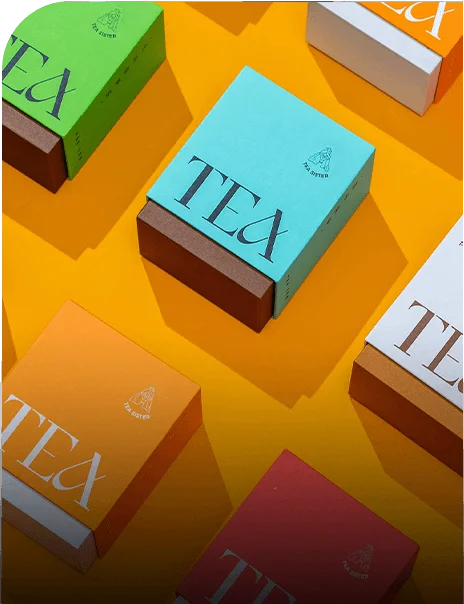

























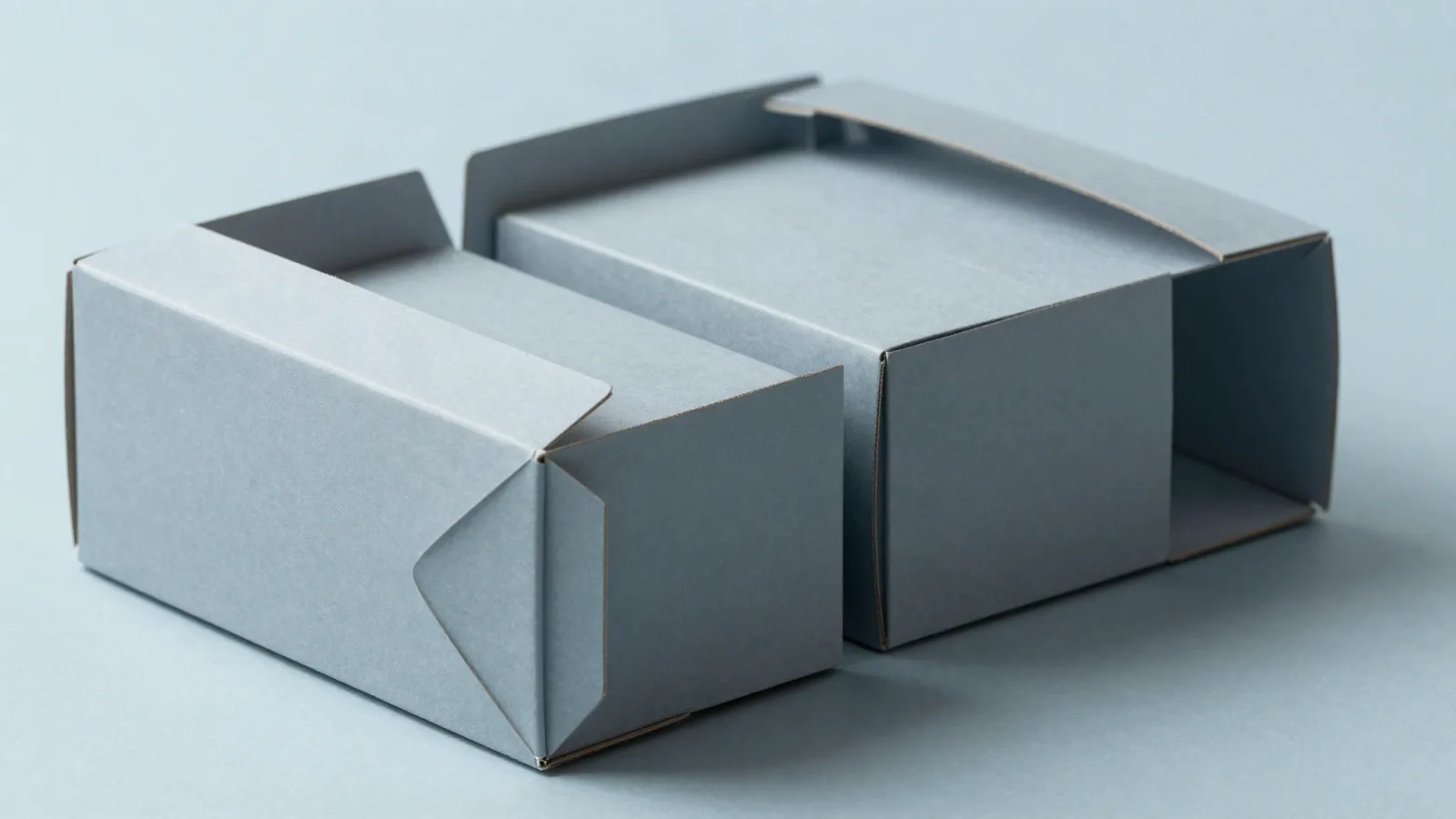



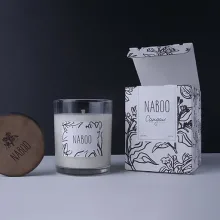
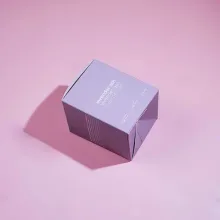
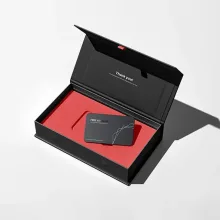
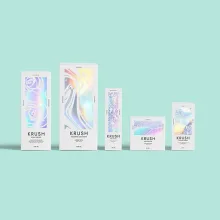
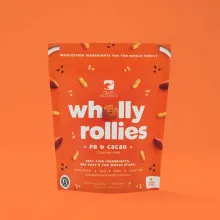
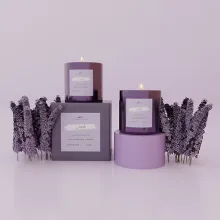
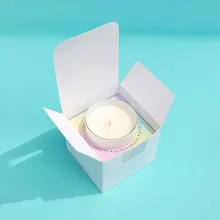
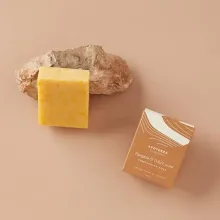






































A tuck box is a folding carton with one or more tuck flaps that close into the panel. Buyers use labels such as compact, tall, long, shallow, and broad to sort a project before the measurements are settled. A dieline is the flat cutting template for that carton. It shows panels, scores, cuts, glue tabs, and bleed areas, so the final dimensions come from the packed product and the selected structure.
What are standard tuck box sizes?
Standard tuck box sizes are usually discussed as proportion profiles, not one universal list of finished dimensions. Compact boxes favor a short footprint, tall boxes favor height, long boxes stretch the presentation panel, shallow boxes keep the package flat, and broad boxes give more width for grouped products or mailer use.
| Planning profile | Typical use | CPL catalog direction | Confirm first |
|---|---|---|---|
| Compact | Small product with a short opening path | Reverse tuck candle boxes | Product clearance and opening direction |
| Tall | Upright product with a narrow front panel | Hair extension tuck boxes | Loaded orientation and visible front face |
| Long | Elongated product with a longer presentation panel | Wine box packaging | End opening and interior support |
| Shallow | Flat item, gift set, or broad presentation | Tuck-top gift boxes | Top panel, insert space, and display direction |
| Broad | Multiple items or a delivery-oriented pack | Custom tuck-top mailer boxes | Closure strength and packed-product movement |
The chart connects public planning language to CPL catalog references. It does not turn a catalog image into a stocked dimension. A reverse tuck candle box may be the closest structural reference for one project, while a tuck-top mailer may be closer for another. The product still decides the cavity.
How do I measure a tuck box before choosing a size?
Measure the packed product at its widest, deepest, and tallest points, then record the space required by the opening, board, and any support. Use the finished pack, not a bare component that will later gain a label, pouch, wrapper, sleeve, or insert.
Write length, width, and height in one consistent order. Note whether each value is an inside measurement or an outside measurement. Record the product orientation in the box, the panel that faces the buyer, and the direction from which the product enters. Those notes give the dieline a clear job to solve.
Which tuck closure fits my product?
Choose the tuck closure from the loading motion and the way the finished box opens. A top tuck can suit a product loaded from above. A reverse tuck changes the flap direction and the way the front and rear panels are read. A mailer-oriented tuck adds a delivery-focused opening, so the product should be checked for movement after the lid closes.
- Mark the panel that must face the customer first.
- Identify whether the flap opens from the top, end, front, or rear.
- Record any insert, wrap, sleeve, or inner component that changes usable space.
- Keep the chosen profile tied to the approved dieline, not only a catalog image.
Which CPL catalog reference should I compare?
The closest CPL catalog reference is the one with the same product shape and opening direction. Reverse tuck candle boxes frame a compact folding carton, hair extension tuck boxes frame a tall product, wine box packaging frames an elongated format, one-piece color-tinted kraft tuck-top gift boxes frame a gift presentation, and custom tuck-top mailer boxes frame delivery handling.
CPL's custom packaging design service includes free design support for organizing the product dimensions, profile, closure direction, and artwork panels. This is where a general chart becomes a project specification.
What should the digital proof show?
A digital proof is the screen version of the proposed dieline and artwork before production. It should show the closed panels, open sequence, glue tabs, scores, bleed, and front face. Keep type and barcodes clear of folds and glue areas. RGB artwork can shift when converted for press, so review the color mode and small type before approval. A proof is also the time to catch an insert cut to the product dimensions that leaves the product rattling after packing.
What terms apply after I choose a profile?
Custom Packaging Lane tuck box projects use a 100-unit MOQ. Pricing is from $0.49 per unit at volume, quoted to spec. Production is typically 8 to 10 business days after proof approval, plus delivery. Free US shipping and free design support are available.
The $19.99 sample kit gives you a physical reference for board, color, and finish before proof approval, and it is credited toward the first order. Send the packed-product dimensions with the opening direction and the catalog profile you want to compare.
Frequently Asked Questions
Are tuck box sizes measured inside or outside?
Tuck box size labels usually describe a proportion, not a fixed inside or outside measurement. A compact, tall, or shallow profile can be drawn around different products. State whether your dimensions are for the packed product, usable cavity, or finished outside carton, then let the approved dieline settle board thickness, folds, and closure clearance.
Can Custom Packaging Lane match a tuck box to a product?
Custom Packaging Lane can match a tuck box to a specific product when the request includes packed length, width, height, product orientation, opening direction, and any insert or wrapper. The 100-unit MOQ applies to the custom project. Free design support includes drawing the dieline and sending a digital proof before anything prints.
Which tuck format suits a mailer project?
A tuck-top mailer box is a delivery-oriented tuck structure with a closure designed around the way the product enters and leaves the box. Custom Packaging Lane can compare that direction with reverse tuck, gift, or other catalog references. Send the packed product and opening preference first, because a mailer image alone does not establish the final dimensions.
Do tuck profile names equal stocked finished dimensions?
No. Compact, tall, long, shallow, and broad are planning profiles, not a claim that Custom Packaging Lane stocks one finished dimension for each label. The product, board, folds, glue tabs, closure, and insert establish the final record. The digital proof is the dimensional reference before production.
What quantity, price, and timing apply to tuck boxes?
Custom Packaging Lane tuck box projects use a 100-unit MOQ. Pricing is from $0.49 per unit at volume, quoted to spec. Production is typically 8 to 10 business days after proof approval, plus delivery. Free US shipping and free design support are available, and the $19.99 sample kit is credited toward the first order.