













































































Vial packaging starts with the physical vial, including its body diameter, closure height, label boundary, and removal path. A search for packaging vials, custom vials packaging, or vials packaging can point to several different jobs: a presentation carton, an insert-supported pack, or an outer format for parcel handling. Decide whether the package is opened on a shelf, handed over, or shipped, then describe the complete set of vials and accessories.
What should vial packaging control during handling?
Each vial needs a defined location and a clear way out of the package. State whether the vials stand upright, lie flat, or sit in separated rows, then record the closure shape, label position, and any area that must remain visible. If the pack includes a card, instruction sheet, or secondary component, reserve that space before choosing the carton. The useful brief describes the full packout, with the vial count as one part of it.
Which carton structure fits a vial arrangement?
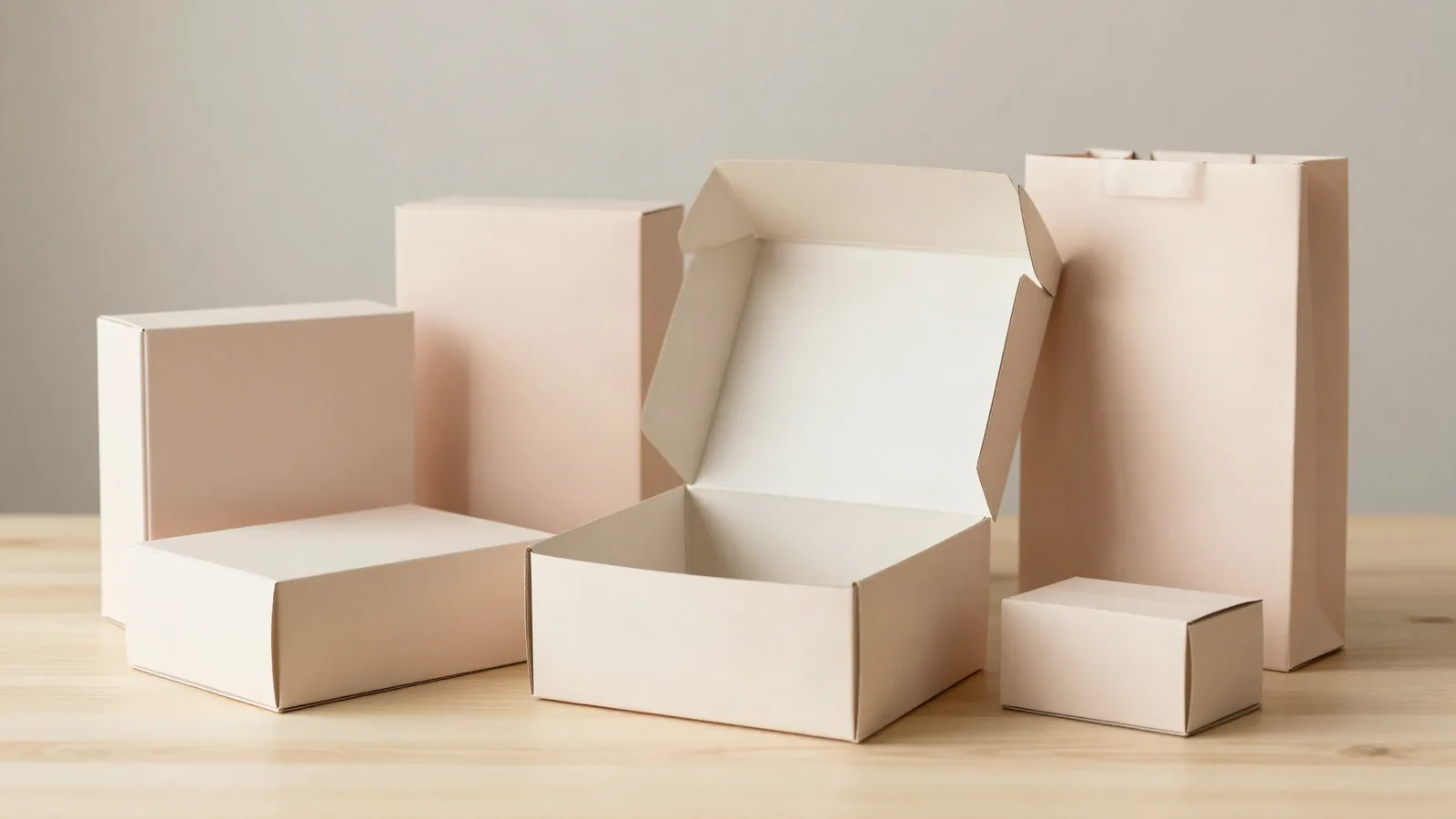
The closure direction and fill sequence often decide the carton style before the artwork does. A straight tuck end closes from one panel, a reverse tuck end alternates the top and bottom direction, an auto-lock bottom forms the base during setup, and a crash-lock style arrives pre-glued with a defined fold pattern. Use this comparison to identify the structure worth sampling.
| Structure | Common use | Specification focus |
|---|---|---|
| Straight tuck end | Folding carton with a direct opening | Panel order, closure clearance, vial orientation |
| Reverse tuck end | Folding carton with alternate top and bottom direction | Brand panel placement, seam position |
| Auto-lock bottom | Carton with a formed base during setup | Assembly sequence, base support |
| Crash-lock | Pre-glued style for quicker formation | Fold pattern, storage, opening behavior |
Which materials are common for vial cartons?
SBS means solid bleached sulfate paperboard, while C1S and C2S describe paperboard coated on one side or both sides. General folding-carton references include SBS, C1S, or C2S in the 12 to 24 pt range, and kraft board in the 18 to 24 pt range. For an outer shipping format, corrugated E, B, or C flutes with 32 ECT are common industry references. A PET window in the 0.2 to 0.3 mm range can be discussed when visibility matters. These are material references, not a claim about a particular vial application.
How should I measure a vial before the dieline?
A dieline is the flat cutting and folding template used to lay out the carton. Send the vial body diameter, total height including the closure, label boundary, cap shape, and any variation between components. State the orientation and the clearance needed to lift the vial from its cavity or divider. Box dimensions conventionally use length x width x depth, with inside measurements as the useful reference. About 1/16 inch, or 1.5 mm, is a common planning tolerance, but the component controls the final fit.
Should vial packaging include a clear window?
A clear window makes the selected vial or label visible before opening, but it reduces uninterrupted print area and adds a cutout and patching decision. Identify whether the window shows one vial, a group, or only a label panel. Keep the cutout away from folds, seams, and closure stress points. PET window film in the 0.2 to 0.3 mm range is a common reference, with the final choice tied to the carton structure and presentation.
Which print and finish choices suit a vial carton?
Offset CMYK is a common choice for detailed carton artwork, while digital printing can suit a short run or an artwork check. Matte or gloss lamination changes surface sheen, and soft-touch changes the tactile feel. Spot UV can focus attention on a logo or information panel. Foil stamping, embossing, and debossing belong on flat panels with clearance from folds and seams. If the vial contains a consumable product, ask us about food-contact options.
Which CPL products can I use as format references?
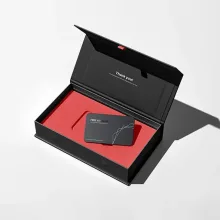
Wine box packaging is a useful reference for a contained presentation format. Private-label packaging shows how brand and product information can share a carton, while perforated packaging is relevant when access or opening direction is central to the brief. These are catalog references. The vial, closure, insert, artwork, and delivery requirements still set the specification.
What should I send for a vial packaging quote?
- Vial body and closure dimensions, including total height.
- Orientation, row separation, and the clearance needed for removal.
- Label boundaries, visible areas, and any window requirement.
- Carton structure, insert direction, and opening sequence.
- Print coverage, lamination, soft-touch, foil, embossing, or debossing.
- Quantity, delivery location, and whether an outer shipper is needed.
Start with custom packaging solutions when the vial arrangement needs a structure review. A digital proof catches panel, insert, and artwork issues before printing. The $19.99 sample kit can be credited toward the first order when you need to compare physical formats.
Custom Packaging Lane quotes vial packaging from a 100-unit minimum, with pricing that may be from $0.49 per unit at volume, quoted to spec. Production is typically 8 to 10 business days after proof approval, plus delivery. Free US shipping, free design support, and a free dieline are available. Send the vial measurements and the complete packout with the request.
Frequently Asked Questions
Do vials need a carton, an insert, or both?
A vial may need a carton, an insert, or both, based on its orientation, removal path, spacing, and presentation. The carton defines the outside shape, while an insert or divider assigns each vial a location. Send the body diameter, closure height, vial arrangement, and any card or secondary component before the structure is finalized.
Which board grade is typical for a vial carton?
A typical folding-carton reference is SBS, C1S, or C2S paperboard in the 12 to 24 pt range. Kraft board is another reference in the 18 to 24 pt range. For an outer shipper, corrugated E, B, or C flutes with 32 ECT are common industry references. The vial weight, insert, print, and handling route determine the final choice.
What vial measurements are needed for custom packaging?
Custom vial packaging needs the body diameter, total height including the closure, label boundary, cap shape, orientation, and any variation between components. Also provide the inside length, width, and depth needed for the carton, plus removal clearance for the cavity or divider. About 1/16 inch, or 1.5 mm, is a common planning tolerance.
Can vial packaging include a clear window?
Vial packaging can include a clear window when the brief calls for visible contents or a visible label panel. Mark the cutout, patching edge, folds, seams, and closure stress points on the dieline. PET window film in the 0.2 to 0.3 mm range is a common industry reference, with the final specification tied to the carton.
How should I check a vial packaging proof?
A vial packaging proof should be checked with the carton assembled and the intended vials, insert, label position, and opening path in place. Confirm the panel order, closure clearance, removal space, window or visible area, and finish zones. Mark changes on the dieline before printing so the final structure reflects the physical packout.