
































































A luxury crash lock bottom wine box starts with the bottle before artwork is placed. Give the packaging team the bottle height, widest body point, base diameter, shoulder shape, closure height, label orientation, carry method, and opening direction. The shoulder controls where the carton narrows. The closure changes the headspace. The label-facing panel controls what the recipient sees first. A dieline is the flat cutting template used to print, score, and cut the carton, so it must follow the real bottle, insert, and base sequence.
Why choose a crash-lock bottom for a wine box?
The base forms from folded panels that interlock as the carton is opened and assembled. That construction creates a defined standing base without a separate manual assembly step. The packer still needs to know how the bottom locks during setup and whether the bottle enters from the top or another opening. An insert, wrap, or closure can change the available clearance, so the assembled sequence deserves the same attention as the printed face.
| Structure | Common packaging role | Decision to confirm |
|---|---|---|
| Crash-lock bottom | Formed base with interlocking folded panels | How should the bottom lock during setup? |
| Auto-lock bottom | Carton base that forms through folding | Does the opening sequence suit the packer? |
| Straight tuck end | Top and bottom tuck closure | Which panel carries the bottle presentation? |
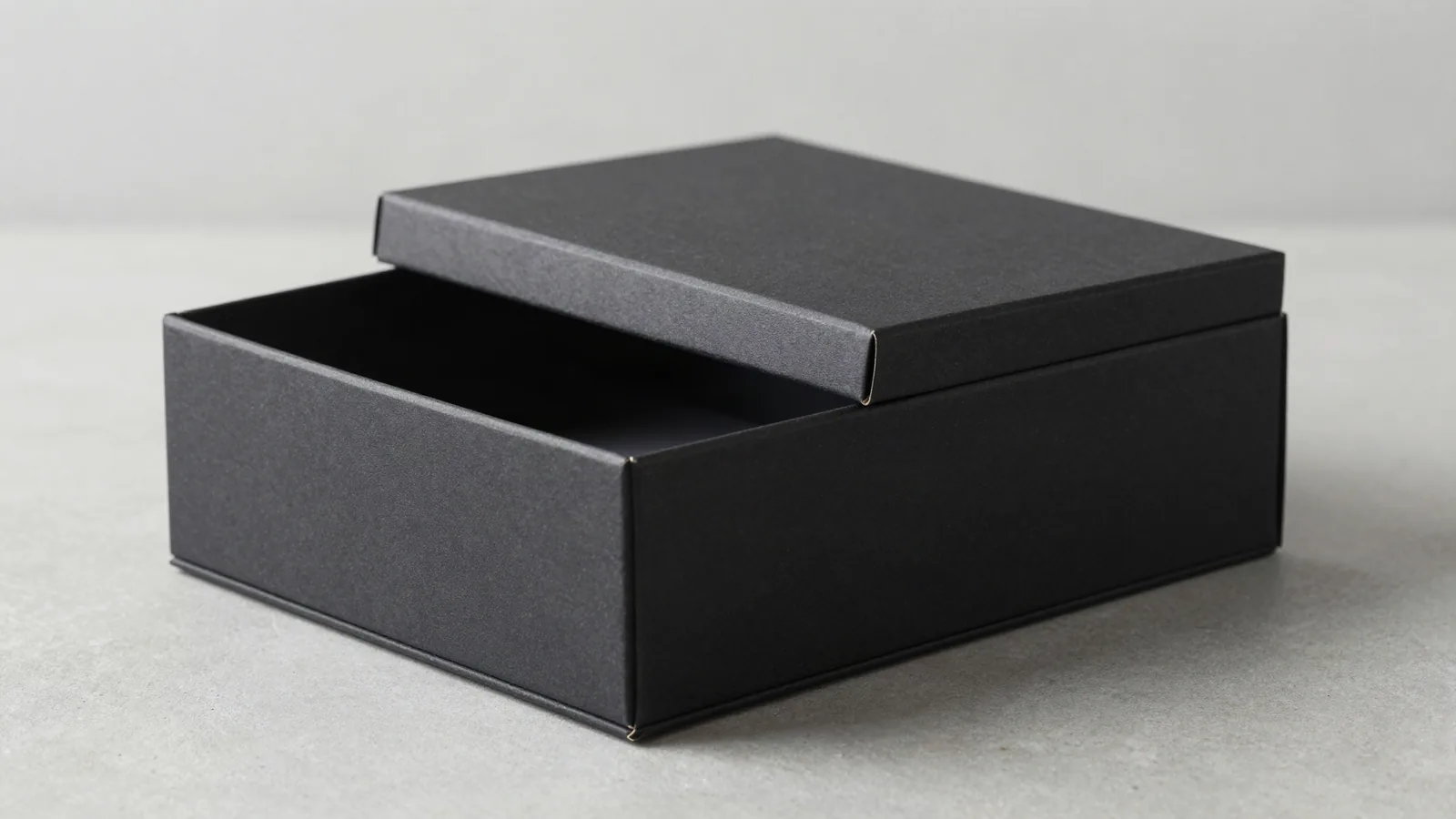
| Two-piece rigid | Separate lid and base for a substantial reveal | Should the package open like a keepsake box? |
Which board and material direction fits the format?
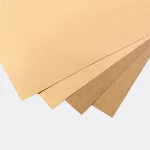
Folding cartons commonly start with SBS, C1S, or C2S paperboard in the 12 to 24 pt range. Point is the usual thickness notation for paperboard. Kraft board in the 18 to 24 pt range creates a different surface and print direction. Rigid chipboard in the 1.5 to 3 mm range, wrapped in 100 to 157 gsm art paper, is a common reference for a separate lid-and-base presentation. For an outer shipper, corrugated E, B, or C flutes and 32 ECT are common reference points. ECT means edge crush test, a board-strength rating used when a shipper will be stacked or moved.
How should the bottle fit be measured?
Inside length, width, and depth control the bottle fit. Record the widest body point, base diameter, shoulder shape, closure height, and label-facing direction. Box dimensions are conventionally written as length x width x depth, with inside measurements used for planning. About 1/16 in, or 1.5 mm, is a common planning tolerance, but the final clearance belongs to the actual bottle and insert. If an insert is cut close to the product size, check the closure and wrap too. Mark the lift point, seams, glue areas, and display panel on the dieline.
Which finishes fit a luxury wine box?
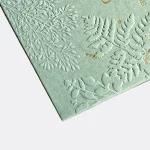
Offset CMYK suits detailed folding-carton artwork, while digital printing can suit short-run concept work. Matte or gloss lamination changes the sheen. Soft-touch changes the tactile feel. Foil stamping can frame a label or mark. Spot UV, embossing, and debossing add contrast to a selected panel. List every finish separately and mark its location on the proof. Keep effects away from crash-lock folds, seams, glue tabs, and small type that must remain legible.
Should presentation and shipping packaging be separate?
Presentation carton and outer shipper have different handling jobs. The wine box controls the bottle reveal, while the shipper deals with parcel delivery, packed dimensions, and movement in transit. A roll end tuck top or FEFCO 0427 convention can be used as a reference for the outer format. Carrier dimensional weight for US ground uses L x W x H / 139, so measure the packed outer dimensions and avoid empty space where the product plan allows. Review the inner box and shipper as two linked structures.
Which catalog products can I use as references?
Wine box packaging is the direct category reference for a bottle presentation. Custom snap lock bottom boxes show another base-closure direction. Compare custom luxury rigid boxes when a separate lid and base fit the presentation. For an outer parcel format, review custom luxury mailer boxes. These pages frame the structure choice. The bottle-specific dieline still needs the real bottle and closure.
What should I put in the structural brief?
The brief should identify the bottle, the opening, and every surface the printer and packer need to work around.
- Provide the bottle, closure, label orientation, carry method, and any insert or wrap.
- State the inside length, width, and depth needed for the bottle.
- Choose crash-lock, auto-lock, tuck, rigid, or mailer construction.
- Mark the opening sequence, display panel, seams, folds, glue tabs, and lift point.
- Identify matte, gloss, soft-touch, foil, spot UV, embossing, or debossing zones.
- Explain whether a separate outer shipper is needed and where it will travel.
What should I expect when requesting this wine box?
Custom Packaging Lane quotes this format from a 100-unit minimum. Pricing is from $0.49 per unit at volume, quoted to spec, subject to the board, bottle fit, structure, print coverage, finish, tooling, quantity, and shipping scope. Production is typically 8 to 10 business days after proof approval, plus delivery. Free US shipping and free design support cover the preparation and shipment terms. The free dieline shows the crash-lock sequence before printing. The $19.99 sample kit is credited to the first order. Use custom packaging design when the bottle fit and base sequence need review.
Frequently Asked Questions
What does the crash-lock bottom do?
A crash-lock bottom forms from folded panels that interlock into a carton base during setup. The construction can give a wine box a defined standing base without a separate manual assembly step. The bottle, closure, insert, and packer workflow still determine whether that base is the right choice, so review the flat dieline and assembled form together.
Which bottle measurements belong in a wine-box request?
A wine-box request should include bottle height, widest body point, base diameter, shoulder shape, closure height, label position, and any wrap or insert. State which face should appear first when the box opens. Those details set the inside length, width, and depth, then guide the folds, seams, display panel, and clearance around the bottle.
Can a folding carton use foil and spot UV together?
A folding carton can combine foil stamping and spot UV when each finish is marked as a separate area in the artwork. Keep both treatments away from scores, seams, glue tabs, and small copy unless the proof shows the placement clearly. Matte or gloss lamination and soft-touch should also be listed separately because they change the surface feel and sheen.
Why use a second shipper for a wine box?
A second shipper gives the presentation carton a separate delivery structure. The wine box can focus on the bottle reveal, label-facing panel, and opening sequence, while the outer shipper handles packed dimensions and parcel movement. A roll end tuck top or FEFCO 0427 reference can frame that outer format, with the inner box and shipper reviewed together.
When should I compare rigid construction?
Compare rigid construction when the package needs a separate lid and base or a more substantial opening sequence. Rigid chipboard is wrapped in printed art paper, while a folding carton is cut and scored from paperboard panels. Review bottle fit, insert space, storage, artwork coverage, and the way the recipient lifts the lid before choosing between the two structures.