































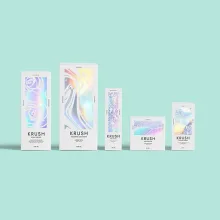
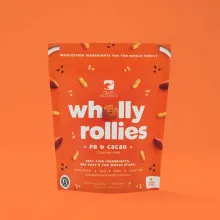
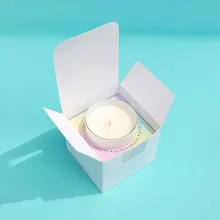





































Wholesale candy supplies can mean ingredients, retail stock, display materials, or packaging. This page covers custom packaging for candy businesses that need a repeatable format across products, gift assortments, seasonal launches, and counter displays. Start with Valentine candy boxes for a seasonal presentation, compare small candy boxes for compact items, and review paper bags wholesale when a bag format fits the sale.
What counts as wholesale candy supplies?
For a candy business, the packaging brief starts with the filled format and selling setting, not the word wholesale. A small box can hold an individual piece or compact gift. A paper bag can suit a counter sale or takeaway handoff. A pouch can hold loose candy in a stand-up format, and a window can show the product without opening the package. Seasonal packaging may keep one base structure while the artwork changes, so list the parts that need separate versions.
Which format fits the sale?
A small folding box gives a structured panel set, while a paper bag keeps the handoff simple. A stand-up pouch uses a sealed flexible body and may include a gusset, which is the folded section that gives the pouch depth. A window box trades some printed panel area for a view of the filled product.
| Format | Common application | Planning focus | Physical check |
|---|---|---|---|
| Small folding box | Individual candy or compact gift | Panel order, closure, and inside clearance | Pieces fit without crowding the fold |
| Paper bag | Counter sale, takeaway, or gift fill | Bag size, handle direction, and print coverage | Filled bag stands and carries as planned |
| Stand-up pouch | Loose candy or visible filled format | Width, laminate layers, seal, and display stability | Gusset opens and pouch stays upright |
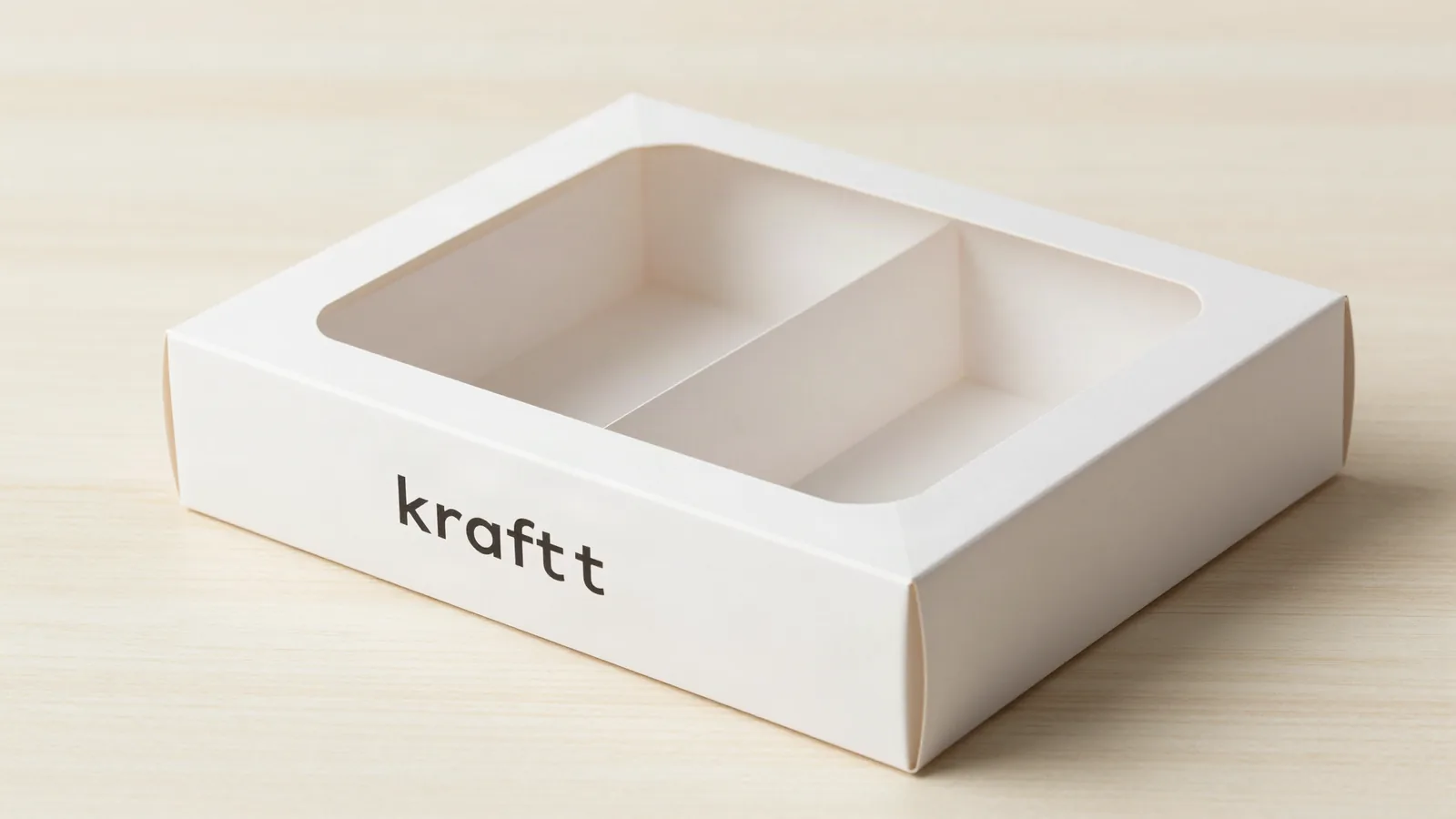
| Window box | Product-forward gift presentation | Window position, patching, and artwork around the opening | Product view stays clear after assembly |
For more packaging references, review movie candy boxes, custom chocolate candy boxes, and custom candy gift boxes. Compare structure, display, closure, and artwork scope, then confirm the filled product before treating any reference as the final package.
Which materials are common for candy packaging?
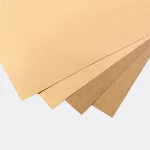
SBS, C1S, and C2S are paperboard references for folding cartons, while kraft board changes the surface and print direction. SBS, C1S, or C2S paperboard commonly falls in the 12 to 24 pt range. Kraft board commonly falls in the 18 to 24 pt range. A stand-up pouch may use Mylar or foil laminates with PET, AL, and PE layers. PET windows commonly fall in the 0.2 to 0.3 mm range. These are packaging industry references, not CPL order data. For candy or another food-contact use, ask us about food-contact options.
How wide should a stand-up pouch be?
As a typical industry starting range, stand-up pouches commonly run from 3 to 7.5 in wide. Filled volume, headspace, seal area, gusset, closure, and display orientation set the finished format. Send the filled product or a matching reference, the expected headspace, and the way the pouch should sit on display. If a box or bag is preferred, document the product arrangement and inside measurements in the same brief.
What does a window change on a candy box?
A window trades printed panel area for a direct view of the filled product. PET window film commonly falls in the 0.2 to 0.3 mm range. Mark the window position, patching area, seal or glue line, folds, and the product view on the dieline. The window also changes where artwork can sit, so check the clear area after the box is folded rather than judging it only on the flat file.
Which print and finish should I compare?
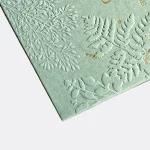
Offset CMYK suits detailed paperboard artwork, while flexo is commonly used when the surface is corrugated. Digital printing can suit short runs or artwork testing. Matte or gloss lamination changes the surface direction. Soft-touch, spot UV, foil stamping, embossing, and debossing can distinguish a logo or seasonal panel. Show window patching on the dieline and keep the clear area, artwork, folds, and seal coordinated. Convert RGB artwork before press review because the color can shift during conversion.
What belongs in a wholesale packaging brief?
The quote gets cleaner when each candy format has its own filled-product reference and artwork version. Include:
- Each candy format, assortment, or seasonal artwork version.
- The preferred box, bag, pouch, sleeve, or window structure.
- Filled product references and inside fit requirements.
- Logo, display panel, print coverage, finish, closure, and window zones.
- Delivery destination and whether the package ships or sells at a counter.
CPL quotes to spec from a 100-unit minimum. Pricing is from $0.49 per unit at volume, quoted to spec, subject to material, board caliper, print coverage, finishing, quantity breaks, tooling, shipping zone, and the selected packaging format. Production is typically 8 to 10 business days after proof approval, plus delivery. Free US shipping and free design support are available, and a free dieline supports preparation. The $19.99 sample kit is credited to the first order. For a larger purchasing route, use wholesale custom packaging.
Frequently Asked Questions
Does wholesale candy supplies mean candy ingredients on this page?
Wholesale candy supplies means custom packaging purchased for candy businesses on this page. It covers boxes, bags, pouches, windows, sleeves, and gift formats. It does not describe candy ingredients or a retail candy inventory list. Share the filled product, selling setting, artwork versions, and delivery plan so the package can be scoped accurately.
How do I choose between a candy box, bag, and pouch?
A box gives a structured printed panel set and gift presentation. A paper bag can suit a counter sale, takeaway order, or gift fill. A stand-up pouch can hold loose candy in a visible flexible format. Compare the filled product, closure, display direction, print surface, inside fit, handling route, and window requirement.
What is the clear window material for candy packaging?
PET is a common clear window reference, with film commonly falling in the 0.2 to 0.3 mm range. The window position, patching area, seal or glue line, folds, and artwork need to be shown on the dieline. For candy packaging where the product may touch an interior surface, ask us about food-contact options.
What pouch width should I use as a starting point?
A typical stand-up pouch starting range is 3 to 7.5 in wide. The finished width depends on filled volume, headspace, seal area, gusset, closure, and display orientation. Send the filled product or a matching reference with the desired way the pouch should stand, then compare that information with a box or bag format.
Where should seasonal artwork changes appear?
Seasonal artwork changes can sit on selected panels while the base box, bag, pouch, or window structure stays consistent. Mark which logo, message, color, window, finish, and product information changes for each version. Keep separate artwork files tied to the same dieline so folds, seals, glue areas, and display panels remain aligned.