




























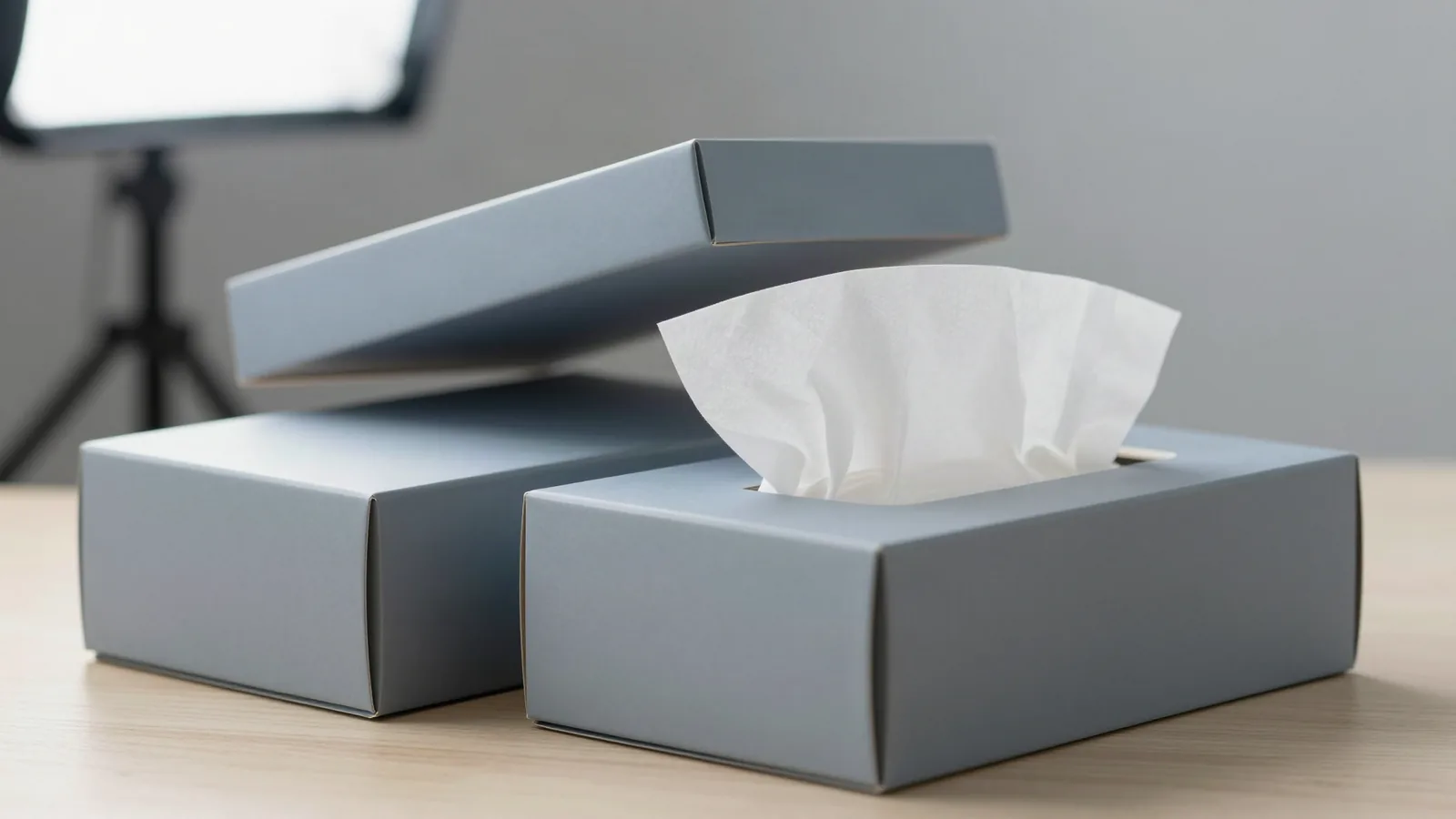




















































Empty Jordan shoe boxes are packaging, not footwear. The word Jordan also creates an artwork-rights question before it creates a print question. If the request is for storage or replacement packaging, state that. If it is for authorized branded presentation, identify the marks and files the buyer may reproduce. Measure the largest shoe, pair arrangement, tissue, and accessories first. A box that fits one pair is a different job from a box that also holds cards or an insert. For construction references, compare window display boxes, window boxes, and custom empty cigarette boxes.
What should fit inside an empty Jordan shoe box?
The largest shoe, pair arrangement, and every accessory must be defined before a footprint is chosen. Record inside length x width x depth for the shoe, tissue or wrap, cards, and insert. Keep the usable cavity separate from the lid, folds, glue tabs, and board thickness. A common packaging planning tolerance is about 1/16 in, or 1.5 mm, but the shoe shape and closure control the clearance. Send dependable dimensions or a physical sample when the toe, heel, sole, or accessories make the fit tight.
Which structure suits the shoe presentation?
A two-piece rigid box separates a lid and base, while a drawer or slide moves a tray through a sleeve. A folding carton keeps the panels integrated, and a window box adds a clear viewing area.
| Structure | Opening | Practical check |
|---|---|---|
| Two-piece rigid box | Lift-off lid and separate base | Does the lid clear the shoe and insert? |
| Drawer or slide | Tray moves through a sleeve | Is there finger access at the pull edge? |
| Folding carton | Integrated panels and flat-folding format | Do scores and closure leave room for the shoe? |
| Window box | Shoe visible through a clear panel | Does the window sit over the intended product face? |
The choice follows the opening motion, storage route, visible surface, and required access. A separate lift-off lid needs its own lid clearance. A sleeve needs room for the tray to move without catching on the shoe box.
What board and flute should I compare?
Caliper is board thickness, and flute is the shaped layer inside corrugated board. Typical folding-carton references include SBS, C1S, or C2S paperboard at 12 to 24 pt. SBS means solid bleached sulfate, while C1S and C2S describe one-side and two-side coated board. Kraft board commonly falls at 18 to 24 pt. A rigid box commonly uses 1.5 to 3 mm chipboard wrapped in 100 to 157 gsm art paper. For an outer shipper, corrugated E, B, or C flute with 32 ECT is a typical industry reference. ECT means edge crush test. These are material references, not fixed CPL order specifications.
How should the lid and closure be drawn?
The closure has to be chosen before panels are laid out. A lift-off lid, sleeve, straight tuck end, reverse tuck end, auto-lock bottom, or crash-lock build puts scores, glue tabs, seams, and visible panels in different places. A dieline is the flat cutting template used to print, cut, and fold the box. Mark the top panel, inside lid, closure edge, and glue zones on it. A logo set too close to a score can split across the fold, and a seam can hide part of a word.
When should a window or finish be part of the brief?
A PET window changes the first view, while a finish changes the printed surface. PET is a clear plastic film, commonly 0.2 to 0.3 mm thick, and its patching area belongs on the dieline before the art file is built. Offset CMYK suits detailed paperboard artwork; digital printing can suit a short run or an artwork test. Matte or gloss lamination changes sheen. Soft-touch changes surface feel, while spot UV, foil stamping, embossing, and debossing isolate selected marks or panels. Mark the window, logo, protected mark, seam, and opening edge on the dieline.
What should the artwork proof catch?
Low-resolution art, RGB files converted for press, missing bleed, and type set too close to a score are common prepress failure points. The digital proof should show the panel order, bleed, folds, scores, window, barcode area, and finish map before printing. A barcode should not cross a fold, cut, seam, or glue flap. If a press check is available, inspect registration, ink coverage, small type, and the boundary between matte or gloss laminate and spot effects before the run is released.
How should shipping measurements be recorded?
Inside dimensions control shoe clearance, but outside dimensions control cartons, pallets, and freight calculation. A master carton is the outer carton that groups finished boxes for handling. Record how many boxes nest in it and how many cartons sit on a pallet after the fit is approved. For US ground shipping, carrier dimensional weight commonly uses L x W x H / 139. Keep that outside measurement separate from the shoe cavity, which is written as length x width x depth.
What should I send for an empty shoe box quote?
A usable request gives the production file enough information to draw the box.
- Provide the largest shoe dimensions, pair arrangement, tissue, and accessories.
- Choose two-piece rigid, drawer or slide, folding carton, or window construction.
- Identify board, chipboard, corrugated, window, and insert preferences.
- Submit only brand names, marks, and artwork you are authorized to use.
- Mark print coverage, finishes, seams, closure, and delivery destination.
Custom Packaging Lane quotes to spec with a 100-unit minimum. Pricing is from $0.49 per unit at volume, quoted to spec. Production is typically 8 to 10 business days after proof approval, plus delivery. Free US shipping, free design support, and a free dieline support preparation. The $19.99 sample kit is credited to the first order. For the logo-led route, see custom boxes with logo.
Frequently Asked Questions
Does the empty box include the shoes?
Empty Jordan shoe boxes are packaging supplied without shoes or footwear inventory. The request should state whether the box is for storage, replacement packaging, or authorized presentation use. Give the largest shoe dimensions, pair arrangement, tissue, accessories, and opening style so the cavity and panels are planned around the actual contents.
How do I measure a pair and its tissue?
Measure the largest intended pair with its tissue or wrap in place, then record inside length x width x depth and any card or insert space. A general planning tolerance is about 1/16 in, or 1.5 mm, but the shoe shape, pair arrangement, and closure determine the practical clearance.
Is a rigid box the only option for presentation?
A rigid box is one option. A drawer or slide creates a pull-out opening, a folding carton keeps the panels integrated, and a window box exposes a selected product face. Compare lid movement, finger access, board thickness, insert clearance, and storage route before selecting the structure.
Can the box use a clear window?
An empty shoe box can use a PET window when the request calls for product visibility. PET is a clear plastic film commonly specified around 0.2 to 0.3 mm. The proof should show the patch area, window edge, artwork boundary, and the shoe face that remains visible after packing.
What should I check in the supplied art file?
Check that the artwork uses the approved marks, includes bleed, and keeps type, barcodes, and logos away from scores, cuts, seams, and glue flaps. Review RGB conversions, low-resolution images, panel order, and finish areas on the digital proof before the box moves into production.












