


























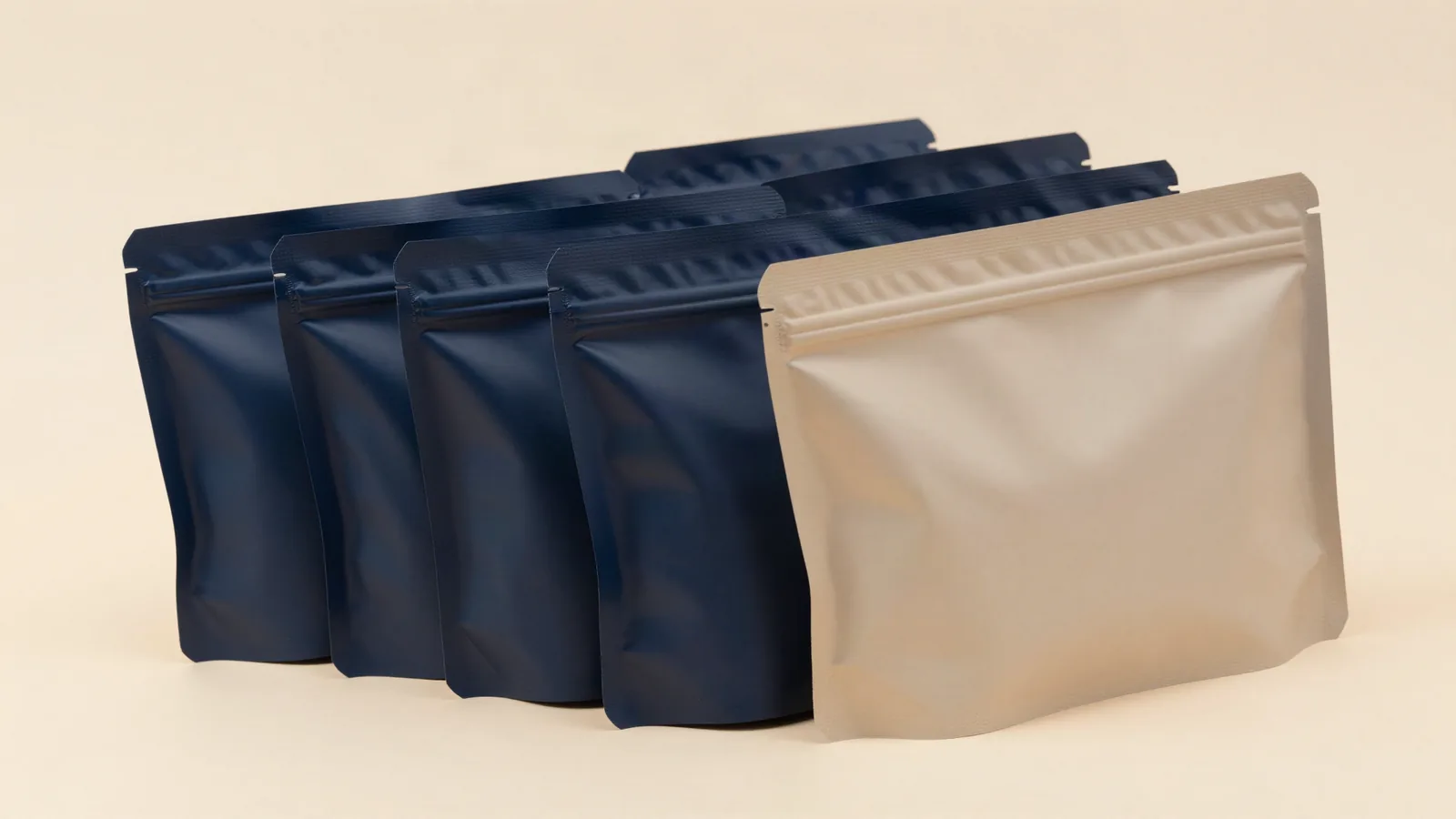





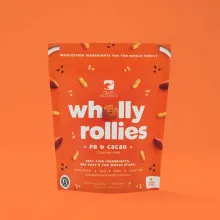








































A zipper pouch is a flexible bag with a recloseable zipper at the opening. A SKU is the internal product code that separates one variety or package version from another. A dieline is the flat cutting template used to place artwork and define the cut, folds, seals, and zipper position. For food-bag work, start with the fill path and the record that will follow the pouch from artwork approval to staging. Ask us about food-contact options for the intended product and packaging path.
How do zipper pouches prevent SKU mix-ups?
A fixed front-panel layout gives the packer a visual check before filling begins. Keep the brand mark, product family, net-content area, and other fixed artwork in the same locations on every version. Reserve controlled areas for flavor, variety, or seasonal changes. The name in the quote should match the name in the dieline, proof, and packing instructions.
| Operations variable | Record to keep stable | Practical check |
|---|---|---|
| SKU identity | Product name, variety, version, artwork file | Match the pouch to the fill before opening cartons |
| Fill station | Loading direction, headspace, closure position | Set the pouch the same way at each station |
| Pouch surface | Front panel, back panel, seals, gusset, window | Keep copy outside folds and sealing areas |
| Outer shipment | Carton, tote, or shipper relationship | Keep primary and transit packaging records separate |
What should operators record during a pouch run?
The fill record should travel with the pouch identity, not sit in someone's memory. Record the product, fill arrangement, opening direction, zipper position, seal area, and any visible batch or variety marking used by the operation. A gusset is the folded side or bottom section; headspace is the room left above the product. Note whether the pouch stands, lies flat, or travels inside an outer package. Stand-up pouches commonly use a 3 to 7.5 in width range as a general industry reference. The filled product, gusset, headspace, and display requirement decide the final size.
How do I lock a repeat-order pouch spec?
A version number on the approved dieline ties the physical pouch to its panel order and construction notes. Keep the film direction, laminate layers, window boundary, zipper line, seals, gusset folds, and finish areas in one record. A laminate is a bonded stack of film layers. Mylar or foil laminates commonly use PET, AL, and PE layers as flexible-packaging references. PET window film commonly falls in the 0.2 to 0.3 mm range. These values describe a starting construction, not a substitute for the project proof.
What should a pouch proof check catch?
Front and back panels need to be checked against the closure line, seal exclusions, window placement, and gusset folds. Digital printing can suit short-run concept checks, while matte or gloss surface treatments change sheen. Spot UV and foil stamping need a finish map. Small type belongs away from folds, seals, and gussets. Save the approved panel order with the SKU record so a repeat file can be compared to the same reference.
When does the outer shipper belong in the brief?
Corrugated board enters the brief when filled pouches are grouped, palletized, delivered, or sent through a parcel route. A flute is the wave-shaped layer inside corrugated board. E, B, and C flutes are common corrugated references, and 32 ECT is a shipping-performance reference. Carrier dimensional weight for US ground commonly uses L x W x H / 139. Record pouch dimensions separately from carton dimensions. A consistent pouch can still be placed in an inconsistent shipping system.
Which pouch materials and finishes need a decision?
PET, AL, and PE layers describe a flexible laminate reference, while SBS, C1S, or C2S paperboard commonly falls in the 12 to 24 pt range for a paperboard companion. Kraft and white board create different print surfaces. Matte or gloss changes sheen, and spot UV or foil marks selected areas. Decide whether the pouch, an outer carton, or a carrying bag carries each message.
Which catalog products fit this use?
A direct catalog starting point is zipper pouches. Compare custom mylar food storage bags when the brief needs a layered flexible-bag reference. custom food paper bags show a different surface and handling path. custom bags for business can help separate an outer carry bag from the primary pouch.
What belongs in a repeat quote request?
A repeat quote is easier to check when the product, package, file, and shipping records use the same names.
- List the SKU family, product varieties, artwork versions, and fixed versus changing panels.
- Provide the filled product, fill method, headspace, zipper position, seal path, gusset, and window needs.
- State how the pouch is staged, grouped, carried, or placed inside an outer shipper.
- Attach the current dieline, proof, finish map, and internal naming convention.
- Share the destination, quantity, repeat-order context, and food-contact questions.
Custom Packaging Lane scopes zipper pouches to spec from a 100-unit minimum. Pricing is from $0.49 per unit at volume, quoted to spec. Production is typically 8 to 10 business days after proof approval, plus delivery. Free US shipping, free design support, and a free dieline support preparation. Order the $19.99 sample kit, credited to the first order. For the wider packaging route, use custom packaging solutions.
Frequently Asked Questions
How should related zipper pouch versions be labeled?
Related zipper pouch versions should share fixed artwork locations and carry a clear variety or version mark. Match that mark to the product name, artwork file, dieline, proof, and fill record. The operator can then check the pouch before opening cartons and again when finished bags are staged. Keep seasonal changes in controlled artwork areas.
What belongs on a pouch fill record?
A pouch fill record should name the product, variety, pouch version, fill arrangement, opening direction, headspace, zipper position, seal area, and visible batch marking. It should also state whether the pouch stands, lies flat, or goes inside an outer package. Store the record with the approved dieline so the packer does not rely on memory.
Why keep the dieline with the artwork version?
The approved dieline connects the pouch artwork to the panel order, laminate layers, window boundary, zipper line, seals, gusset folds, and finish areas. Keeping that file with its version number reduces the chance that an older panel map reaches the fill station. A repeat order can then be checked against the same physical construction.
Why keep pouch and carton dimensions separate?
Separate dimensions keep the flexible pouch specification distinct from the corrugated carton specification. Record the pouch, tote, and shipper relationship after the pouch size is set. E, B, and C flute references describe corrugated board, while 32 ECT is a shipping-performance reference for the outer layer.
What should I ask about food contact for zipper pouches?
For zipper pouches, state what the food is, which layer may touch it, whether an inner wrap is present, and how the pouch is filled and stored. Ask us about food-contact options for the intended product and packaging path. Keep the primary pouch, window, seal area, and outer shipping layer separate in the request.